





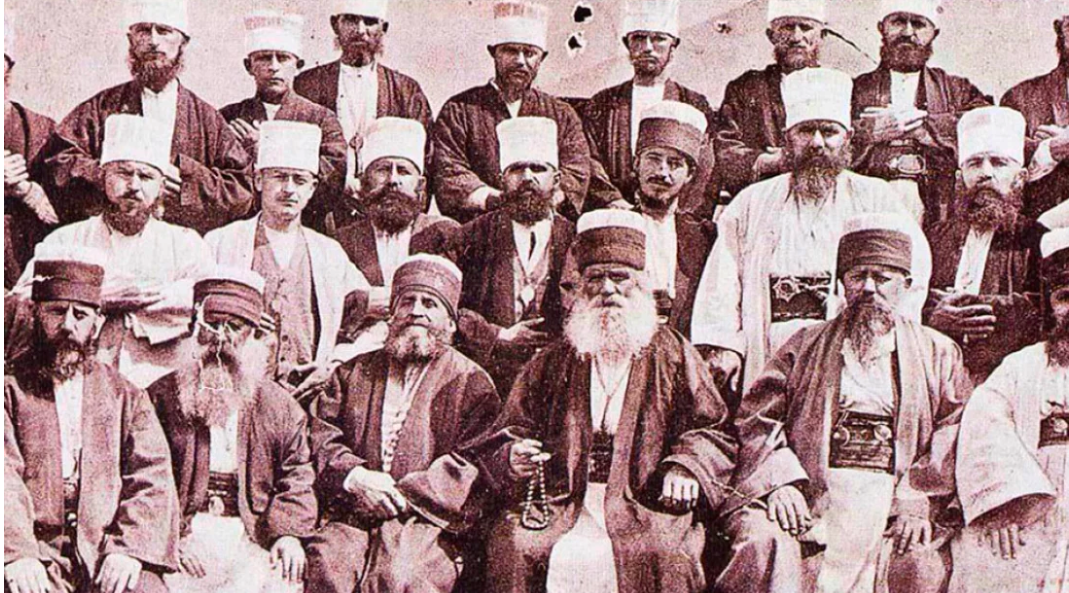
The Albanian Prime Minister, Edi Rama, has stirred great interest both domestically and internationally with his proposal to create an independent Muslim state in Tirana, modeled after the Vatican. This state would have its administration, and passports, and would house the Bektashi Order, a Sufi Muslim sect founded in 13th-century Turkey. Let’s delve into the details of the Bektashis and their beliefs.
Sufism and Bektashism
Bektashism is one of the major streams of Islamic mysticism, falling under the broader umbrella of Sufism. Unlike mainstream Islam, which is heavily centered on adherence to the law, Sufism and its monastic orders, such as the Bektashis, have distanced themselves from the strict legal codes, emphasizing asceticism and mystic communion with God.
The Founding of the Bektashi Order
The Bektashi Order traces its origins to Haji Bektash Veli, born in Nishapur, Persia, in 1209. While historical evidence about his role is scarce, he is revered as the key figure whose principles later inspired the formal establishment of the Bektashi Order a century after his death. Legends abound regarding his life and miracles, blending spiritual mysticism with military tradition, as seen in his association with the elite Ottoman military corps, the Janissaries.
The Development of Bektashism
Bektashism was solidified in its current form by Balim Sultan in the early 16th century, under whose leadership the order expanded its influence, particularly in the Balkans. His reforms introduced unique practices like the consumption of wine during rituals, veneration of the Holy Trinity (Allah, Muhammad, Ali), and the celibacy of monastic Bektashis.
Differences from Sunni Islam and Relations with Christians
Bektashis have a strong Shia influence, particularly through their reverence for Ali, the Prophet Muhammad’s son-in-law. Their practices diverge significantly from Sunni norms: they do not observe Ramadan fasting, pray at specific times, or circumcise males. Bektashi ceremonies take place in unique worship spaces where both men and women participate, contrasting sharply with Sunni customs. This divergence has historically created tension between Bektashis and Sunni Muslims, who often accuse the Bektashis of heresy.
Bektashism and Christianity
Bektashism shows significant Christian influence, particularly in its rituals and theology. The Bektashi Trinity of Allah, Muhammad, and Ali parallels the Christian Holy Trinity. Their veneration of twelve imams aligns with Christianity’s twelve apostles, and practices like symbolic washing and the use of bread and wine during ceremonies are reminiscent of Christian sacraments like baptism and communion. The Bektashi Order also incorporated Christian monastic elements such as celibacy and hierarchical titles.
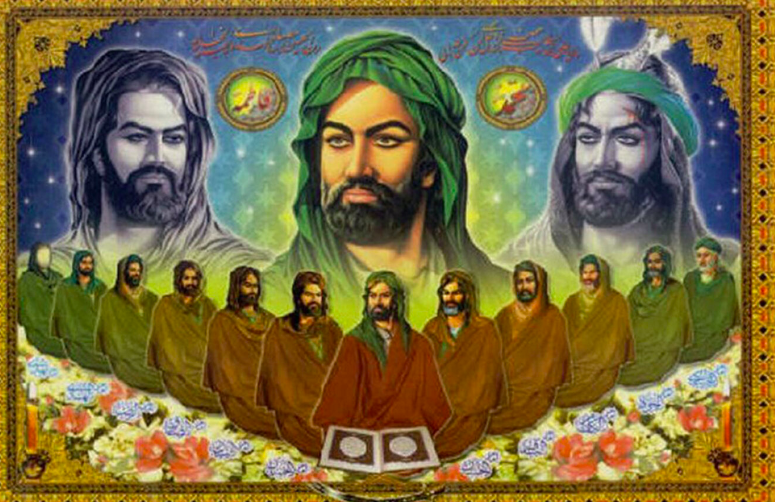
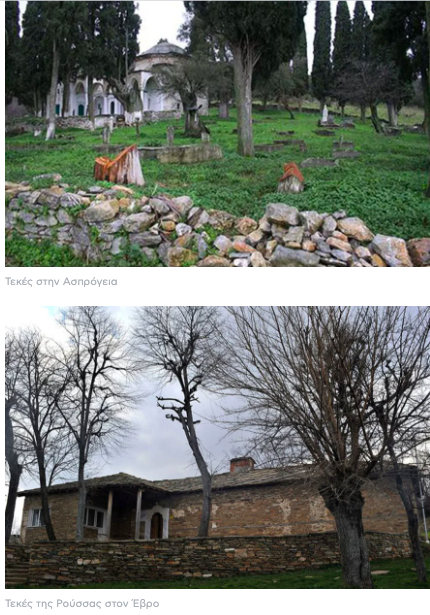
The Bektashi leaders, known as “Babas,” function similarly to Christian clergy, conducting marriages and hearing confessions, while the design of Bektashi monasteries (tekkes) closely mirrors Christian monasteries.
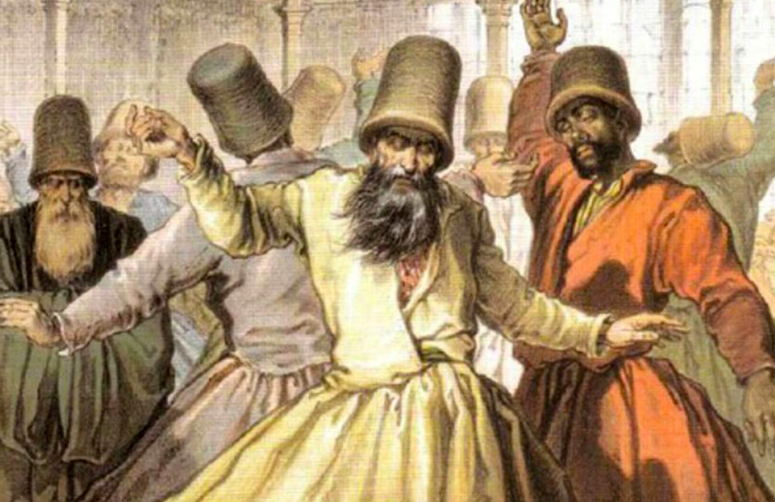
Ali Pasha and Bektashism
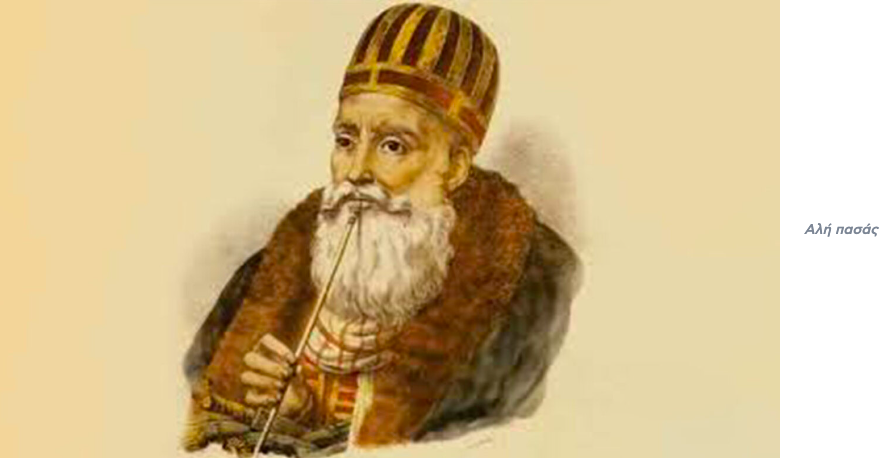
One of the most famous Bektashis known to Greeks is Ali Pasha of Ioannina. Though his allegiance to the order might have been politically motivated, his association with Bektashism shaped his approach to governance, particularly in his dealings with Christian populations. Ali Pasha’s use of Bektashi dervishes to foster Christian sympathy helped him consolidate power in the region, showcasing the Bektashi Order’s historical role as a bridge, and sometimes a manipulative force, between Christian and Muslim communities.
Ask me anything
Explore related questions




