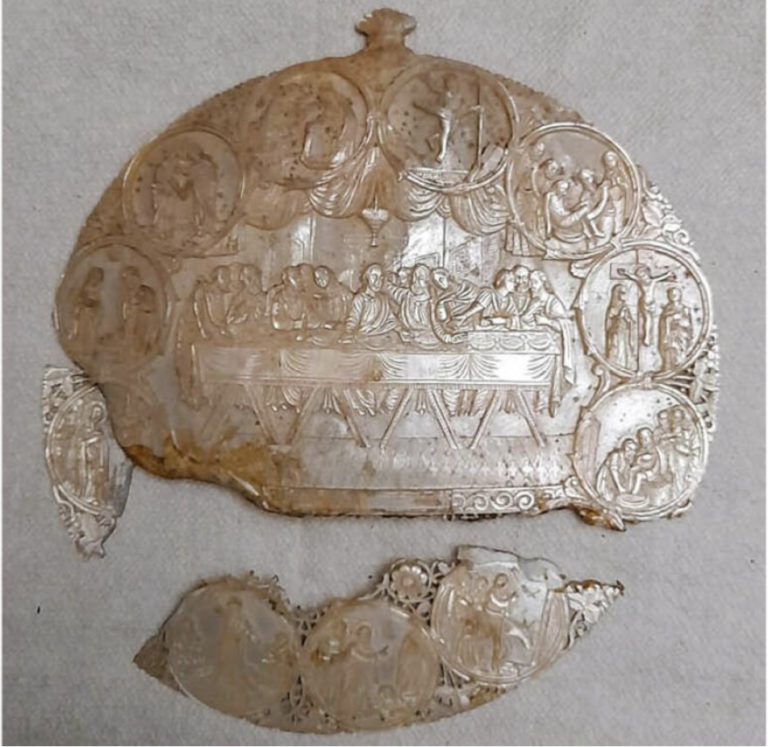
Ancient artifacts dating from the Geometric period (1100–750 BC) to the Hellenistic period (up to 31 BC) were discovered in a shop managed by the National Gallery, located in the Alexandros Soutsos Estate building at 33 Stadiou Street and 3 Pesmazoglou Street, in Athens.
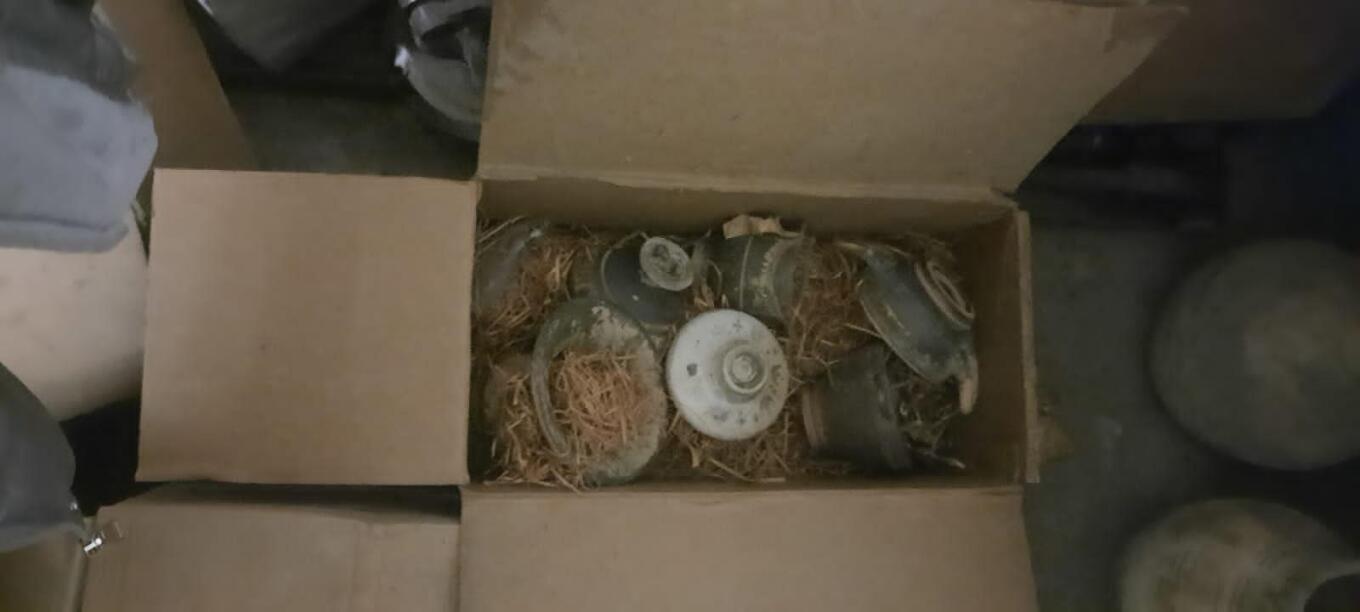
The antiquities, along with other movable monuments protected under archaeological law, were found during the execution of decisions by the Athens Single-Member Court of First Instance to remove former tenants of the property.

Minister of Culture Lina Mendoni stated:
“The protection of cultural assets is a statutory obligation of the Ministry of Culture and one of the main priorities of our policy. Beyond the repatriation of cultural goods illegally exported from our country—achieved through systematic collaboration with cultural institutions abroad, voluntary returns by organizations or private individuals—there are also cases of illegal acquisition within our borders. One such case has now come to light in the heart of Athens. A vast collection of ancient coins, objects, both ancient and ecclesiastical, dating from antiquity to more recent times, was discovered in a building managed by the National Gallery. The readiness and cooperation among designated state agencies, as well as the support of police and judicial authorities when necessary, are key to safeguarding our cultural heritage. Documenting and studying every newly discovered cultural artifact is crucial for preserving our past and understanding ancient societies.”
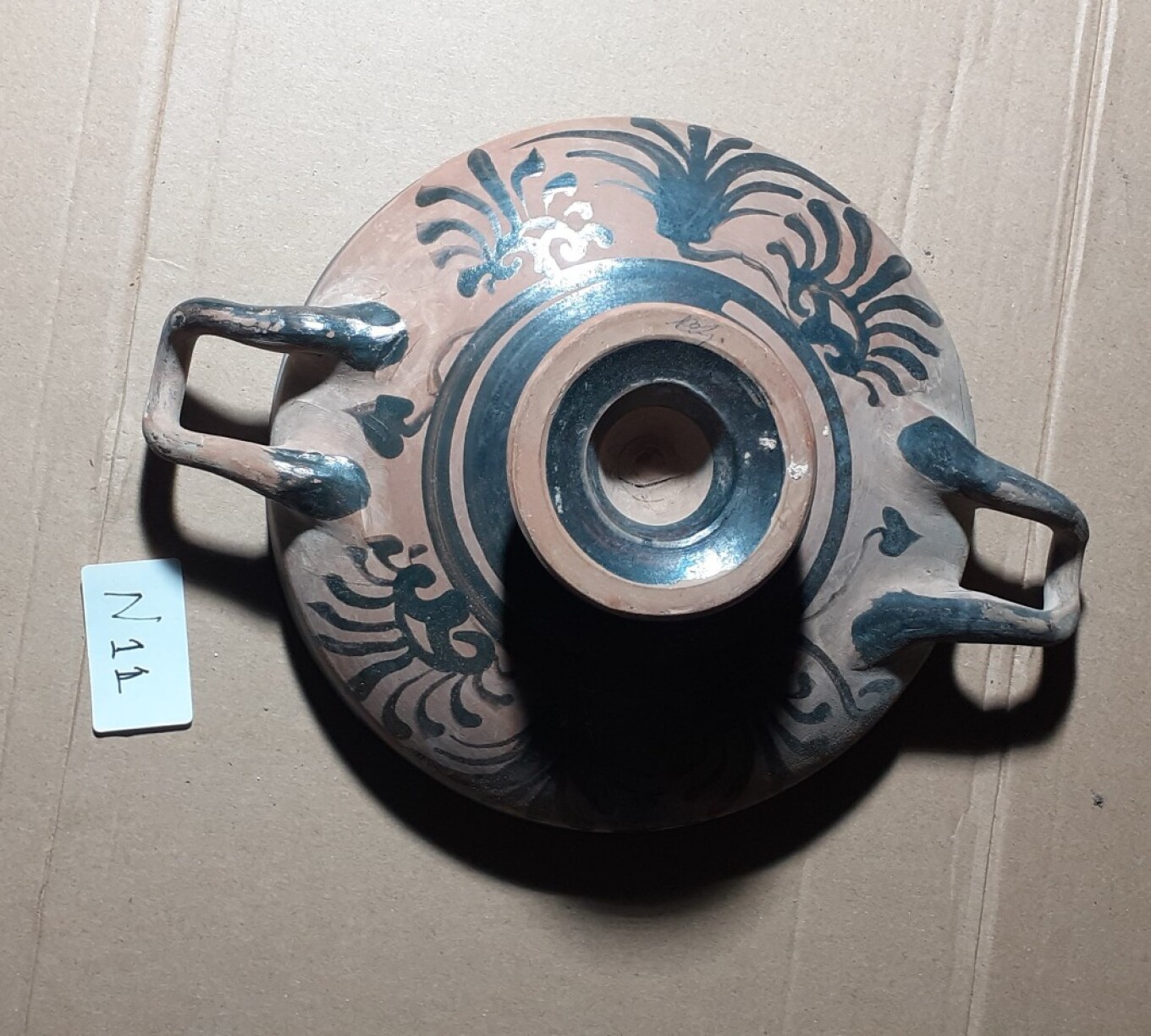
When the ancient artifacts were found in February 2024, the representative of the National Gallery – Alexandros Soutsos Museum (EPMAS) immediately informed the Ministry of Culture. Archaeologists from the Directorate of Documentation and Protection of Cultural Goods (DTPPA) and the Numismatic Museum conducted an onsite inspection.

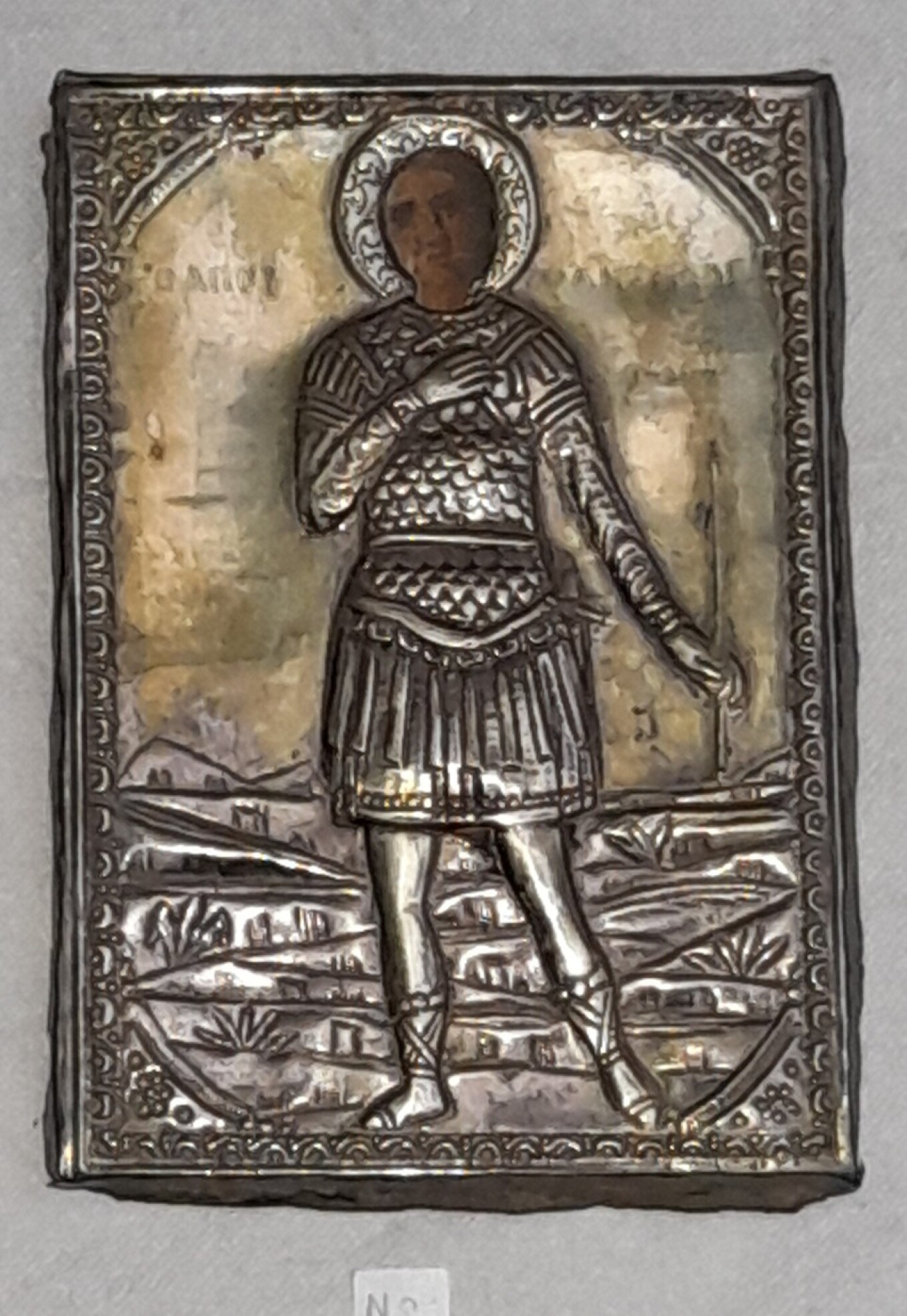
They identified and cataloged 102 ancient objects from the Geometric to the Hellenistic periods (including kylikes, kantharoi, bowls, lekythoi, skyphoi, figurines, etc.), 36 religious artifacts from the post-Byzantine period (icons, silver overlays, a bishop’s staff, and other ecclesiastical items), and 3,247 coins, medals, seal stones, weights, and lead seals dating from ancient to more modern times.
Nearly all the ancient items were located in an inaccessible basement space, reachable only via a trapdoor in the ground floor. They were stored in old cardboard boxes, with some wrapped in newspapers from the 1940s, around the time the property was first leased to operate as a store selling various types of jewelry, watches, artworks, and related items.

The items were transported to secure storage facilities of the Athens City Antiquities Authority and the Numismatic Museum, pending the conclusion of investigations by the competent prosecutorial authorities. Once conservation efforts are complete, they will be evaluated by a special scientific committee based on the recommendations of the Central Archaeological Council, which will determine their monetary value.

Ask me anything
Explore related questions