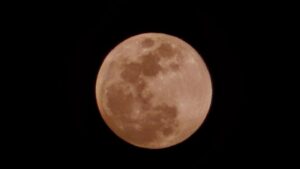
Also known as the “Worm Full Moon“, the March Full Moon came on the 14th and was accompanied by a total Moon eclipse in the sign of Virgo, during which it takes on a reddish hue.
The total duration of the total lunar eclipse was about 6 hours and 3 minutes, while the totality was about 1 hour and 5 minutes. About 11% of the Earth‘s population was able to see the phenomenon from start to finish.
The Full Moon of March 2025, known as the “Blood Moon”, appeared in Greece on Friday (14/03) and the images from the sky are stunning.
Eurokinissi’s lens “caught” the Moon from Nafplio, to Argolida and Athens, capturing a magnificent spectacle.
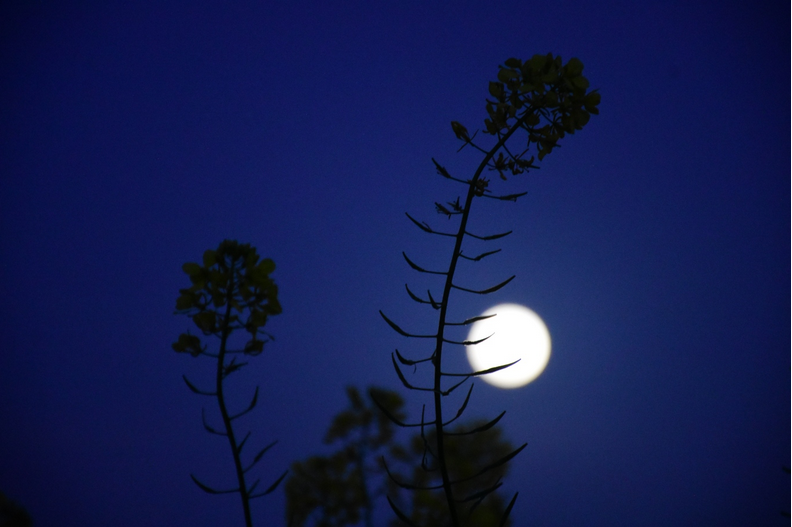
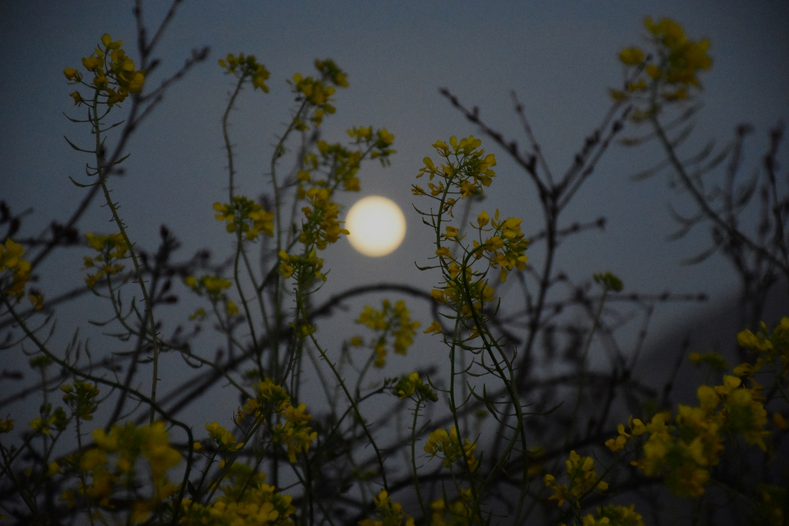
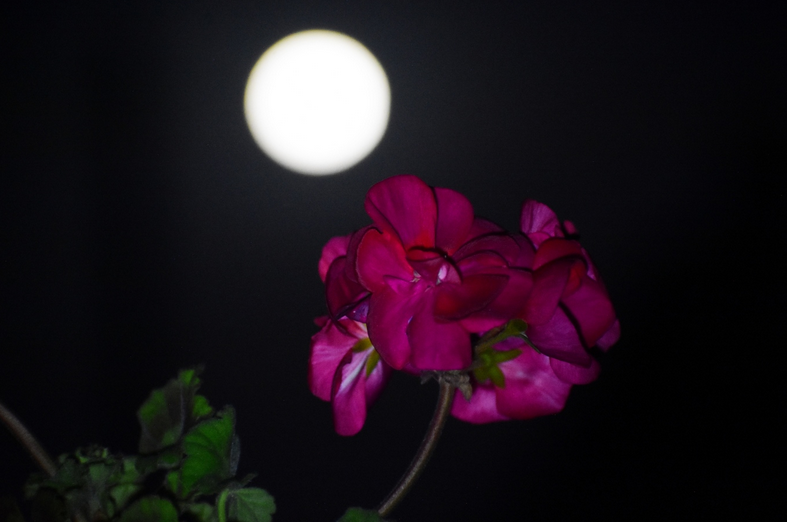
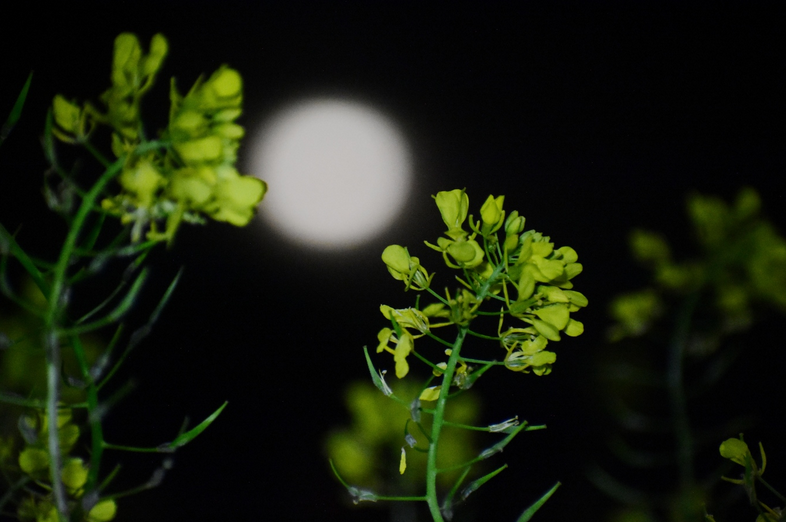
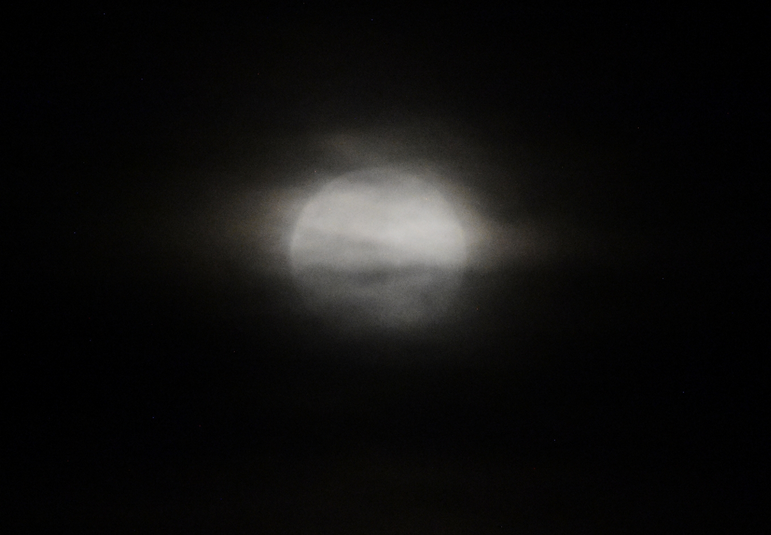
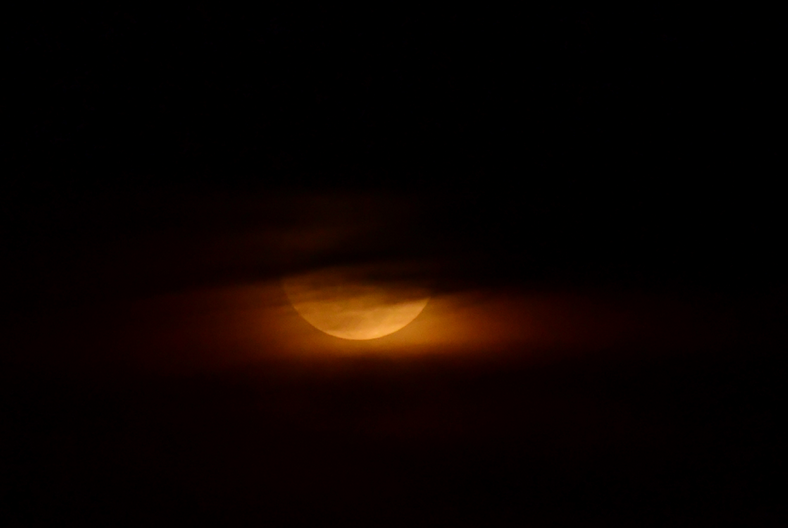
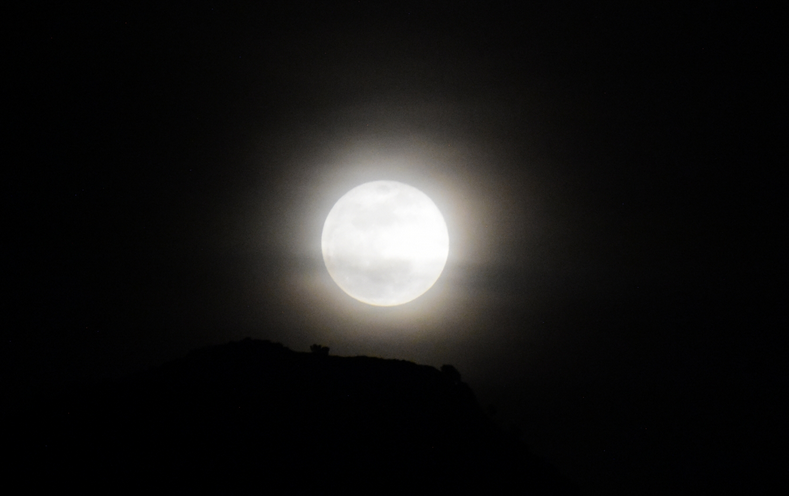
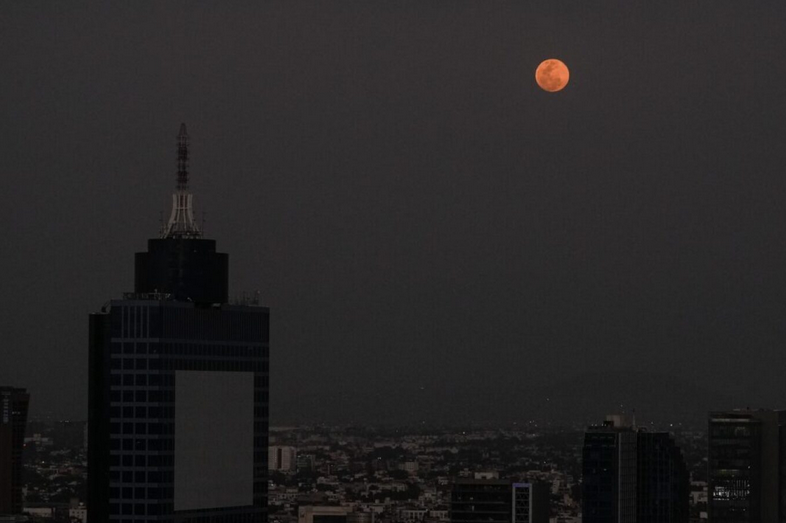
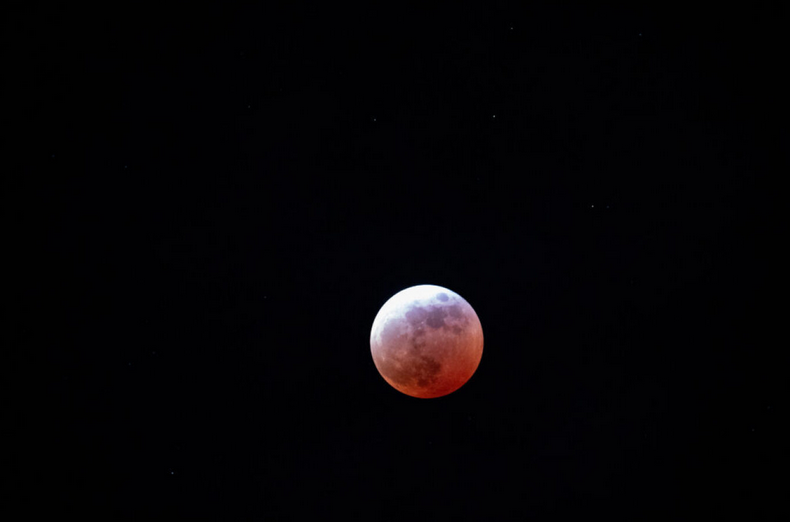
The eclipse was fully visible in the Pacific Ocean, the Americas, western Europe and western Africa. In the photos below how it appeared in Colombia, Mexico and Portland in the USA.

Why it is also called the “Worm Moon”
The name comes from the fact that in March, as winter recedes and the ground begins to melt, earthworms (soil worms) appear and begin to move through the soft soil.
This attracts birds, signaling the beginning of spring.
A lunar eclipse occurs when the Earth is between the Sun and the Moon and the three “heavenly bodies” align almost perfectly, with the Earth in the center, so that the Moon passes through the shadow of our planet. This alignment is called conjunction.
When the Moon enters the darkest part of Earth’s shadow, it takes on a striking red hue, which has led to the name “blood moon” for the total lunar eclipse, according to NASA. This shadow is not perfectly solid, so subtle solar rays penetrate its edges, creating colors similar to those of a sunset, bathing the Moon in warm, glowing colors.
Note that a second total lunar eclipse is expected to occur on September 7-8.
Ask me anything
Explore related questions