






The first image after the landing in the Gulf of Mexico that brought Sunny Williams and Butch Wilmore to Earth is unpleasantly surprising.
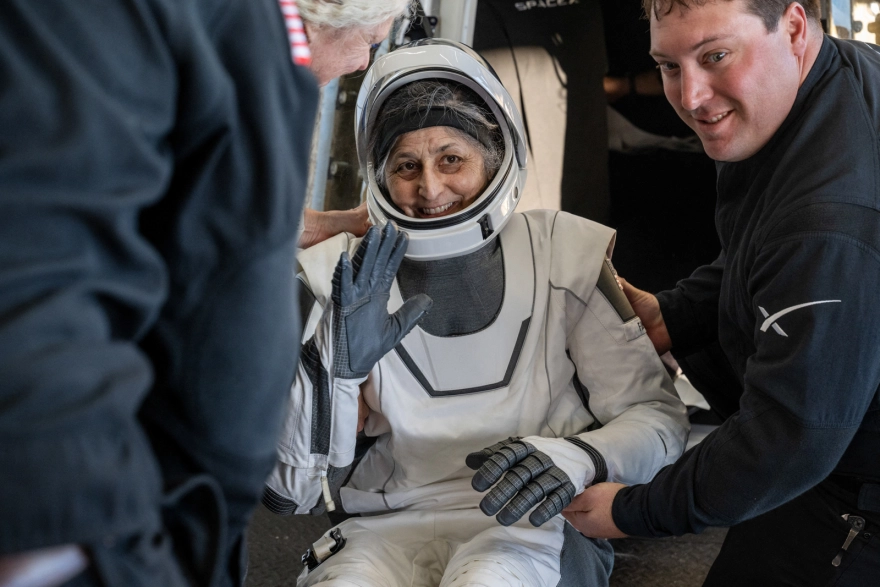
Out of the capsule emerged two people, emaciated, with “sucked” and tired faces – Williams’ hair had turned grey. What was not visible, beneath their space suits, were the effects on their bodies, which might stay with them forever.
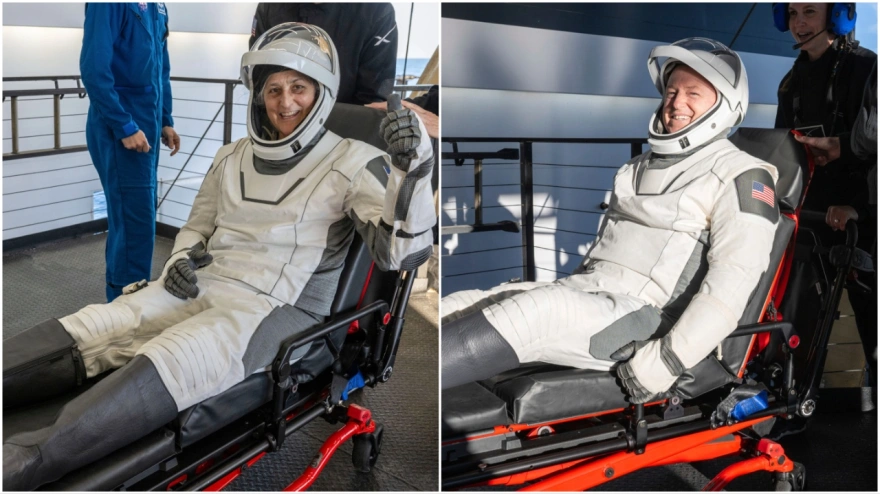
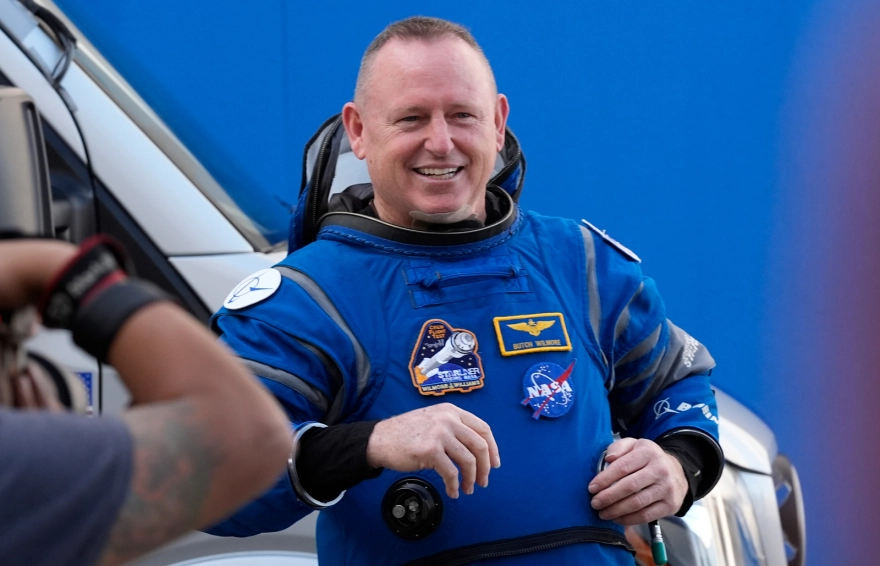
Williams, 59, and Wilmore, 62, would spend about ten days in space on the Blue Origin mission, launched last summer. Technical problems on the vehicle that made their return dangerous kept them on the International Space Station until today, when they returned in a SpaceX vehicle – theirs returned unmanned).
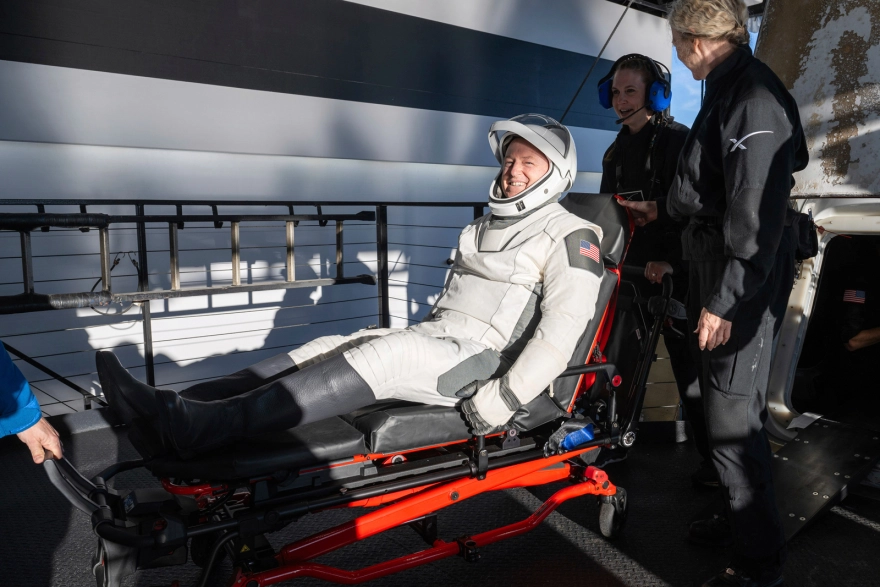
The waiting NASA staff immediately put them on stretchers, because they were still weak enough to walk. Several tests would follow at NASA’s center in Houston. But what the tests might show, the Daily Mail reports.
Vision and cognitive function
Lack of gravity causes fluid to build up in the head, which increases pressure in the eyes. A very likely possibility, as long as the stay in microgravity conditions is prolonged, is change in the shape of the eye with swelling in the optic nerve, and also folds in the pupil.
Seventy percent of astronauts have reported blurred vision, a problem that can become permanent. Of course, the longer the stay in space, the more dangerous the changes become for astronauts.
At the same time, pressure from fluid inside the skull, stress and lack of sleep can cause bending of cognitive function. Astronauts are slower to respond, have lapses in memory and attention and in risk-taking.
Musculoskeletal problems and weight
Microgravity distresses the muscles and skeleton of humans excessively. An astronaut of 30 to 50 years of age will lose half his strength in six months in microgravity – he will regain it after at least six weeks when he returns to Earth.
Muscles tire less because they don’t work hard enough and gradually atrophy, and the density in the bones decreases. This is why NASA recommends at least two hours of exercise a day for astronauts on the ISS. On Earth, the loss of bone density is not so easily corrected and this, experts admit, may be permanent.
Maintaining their weight is also proving to be a difficult task for astronauts. They are often nauseous and lose their sense of smell and taste, resulting in a loss of appetite. For this reason they follow a high-calorie diet.
Water in the body
In conditions of weightlessness, the water in our body, which is about 70% by weight, behaves strangely. Over 5 litres of water “migrate” towards the head which, in turn, makes the face look swollen and the legs small and weak “like a chicken’s”.
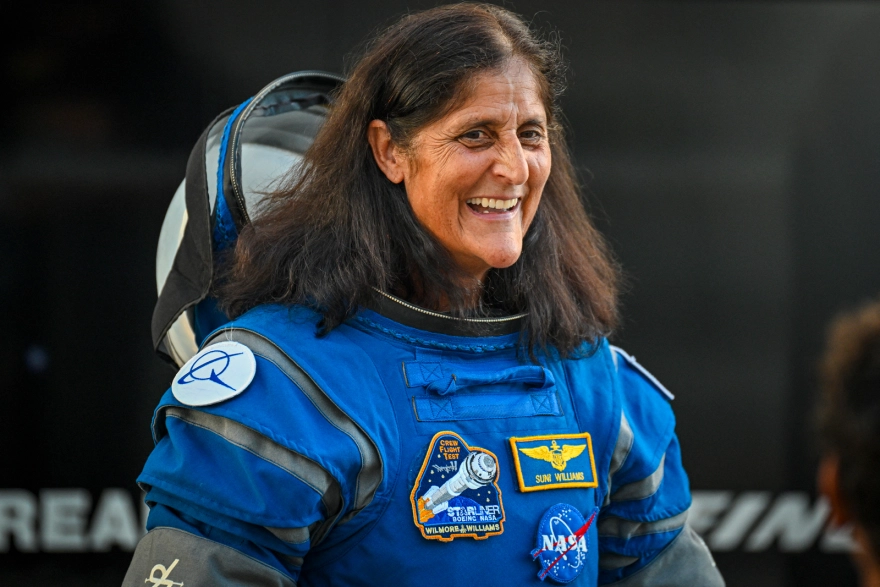
Although these problems disappear 2-3 days after returning to Earth, they leave serious problems behind. With the flow of water to the upper part of the body, the risk of blood clots increases, which may need treatment on Earth.
Radiation
As much as the ISS has shielding that protects it from radiation in space, the environment is clearly more polluted than on Earth. In practice, reports the Daily Mail, in a week in space the body “takes in” as much as a year on Earth, and in fact in space the sources of radioactive radiation are “harsher” than on Earth.
Damage to DNA with effects that can go as far as carcinogenesis is not ruled out, just as damage to the nervous system is not ruled out.
Ask me anything
Explore related questions




