





Just two weeks after unveiling the “ReArm Europe” initiative—an ambitious plan to bolster the EU’s defense capabilities—Commission President Ursula von der Leyen has followed up with a newly released “White Paper” on the future of European defense. This document was published ahead of the upcoming European Council meeting in Brussels.
White Papers issued by the Commission serve as strategic documents outlining proposed EU actions in key sectors. This latest defense-focused paper identifies the necessary efforts, existing gaps, and potential sources of funding required for the EU’s defense rearmament.
Key Provisions of the White Paper
The document, presented by High Representative for Foreign Affairs and Security Policy Kaja Kallas and Commissioner for Defence and Space Andrius Kubilius, outlines the EU’s primary defense priorities and legal pathways for member states to invest more in European defense industries. The plan emphasizes:
- Air and missile defense
- Artillery systems, ammunition, and missiles
- Unmanned aerial vehicles (drones)
- Anti-drone systems
- Joint procurement initiatives
To facilitate defense spending, the Commission has encouraged member states to activate the national escape clause of the Stability and Growth Pact, which would grant additional fiscal flexibility within the EU’s financial rules.
The key fiscal measures include:
- Increased defense spending using the “defense” category in government budget classification.
- A cap of 1.5% of GDP per year for each member state utilizing the escape clause.
- A four-year period of fiscal flexibility starting in 2025, with increases measured against 2021 defense spending levels.
The SAFE Initiative: €150 Billion for European Defense
The Commission has also introduced a new financing tool called Security Action for Europe (SAFE) to raise up to €150 billion from capital markets. These funds will be used to accelerate defense investment across the EU and will be disbursed as long-term, low-interest loans to interested member states. The loans will be backed by the EU budget.
Additionally, the initiative allows Ukraine and EFTA/EEA countries (Switzerland, Iceland, Liechtenstein, and Norway) to participate in joint procurements. However, these countries will not be eligible for loans under the program.
To further boost European defense investment, the European Investment Bank (EIB) and private capital markets will also be mobilized.
What About Turkey and the UK?
The White Paper explicitly states that EU member states should procure eligible defense products from entities based in the EU, EFTA/EEA countries, and Ukraine.
For non-complex defense consumables, at least 65% of the final product’s components must originate from the EU, EFTA/EEA, or Ukraine.
For complex defense systems, this rule applies alongside a requirement that contractors maintain full control over the equipment’s design, reducing dependency on third-party suppliers.
However, Commissioner Kubilius left the door open for Turkey, stating that third countries—including EU candidate nations like Turkey—may participate if they have defense industries established within the EU.
According to senior EU officials, this could allow indirect Turkish participation through acquisitions of European defense firms. A notable example is the purchase of Italian company Piaggio Aerospace by Turkey’s Baykar, which is owned by the Turkish president’s son-in-law and could potentially supply Turkish drones.
The final decision on Turkey’s participation will be made by the 27 EU member states in the European Council, and the same rules apply to the US and Israel—for now.
European Council to Discuss the White Paper
EU leaders will debate the European defense plan at the March 21-22 European Council summit. However, some national governments remain reluctant to reduce dependence on the US defense industry, and others oppose the Commission’s involvement in defense policy, which remains a national competence.
A possible compromise could involve forming a coalition of willing countries, led by France, Germany, and Poland, allowing other states to join voluntarily. This “variable-geometry Europe” concept was first proposed by former EU Commission President Jacques Delors. However, major decisions may be postponed until the June summit, which follows a NATO leaders’ meeting.
Germany and France Announce Massive Defense Investments
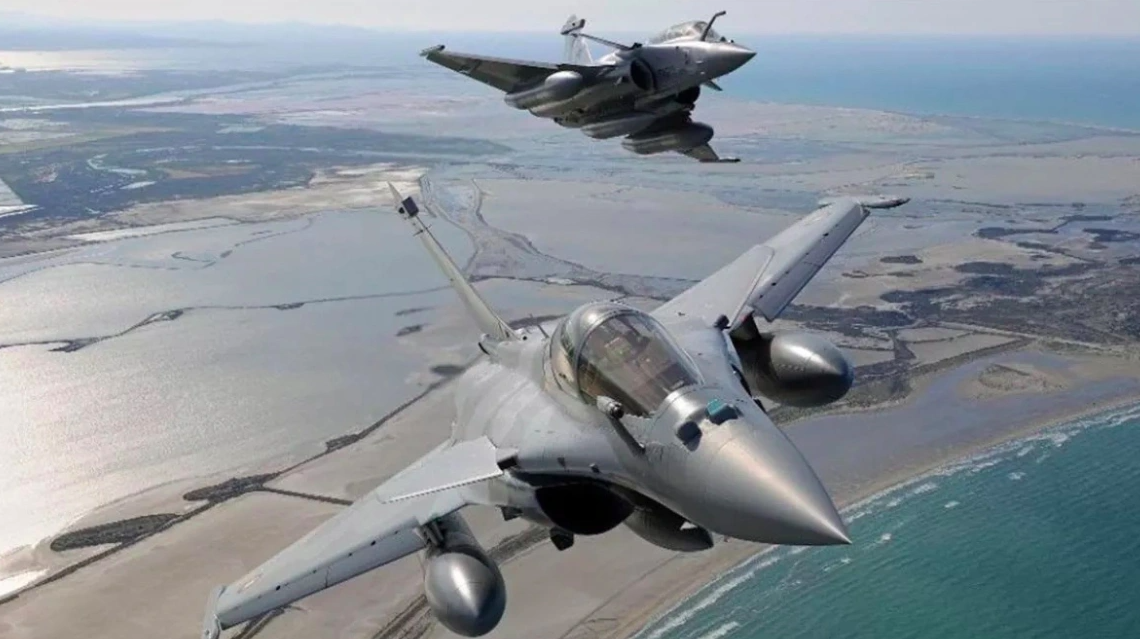
Germany’s Bundestag has approved a constitutional amendment suspending the debt brake rule, paving the way for €500 billion in defense and infrastructure investments. Meanwhile, French President Emmanuel Macron has pledged €1.5 billion for new Rafale fighter jets, which will be equipped with hypersonic nuclear missiles.
In a notable shift, Portugal has announced plans to cancel its order for US-made F-35 fighter jets, opting instead for European alternatives.
The European defense landscape is undergoing a historic transformation—one that will shape the future of security, industry, and strategic autonomy across the continent.
Ask me anything
Explore related questions




