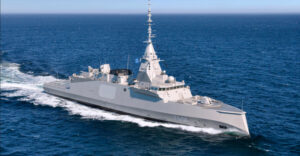
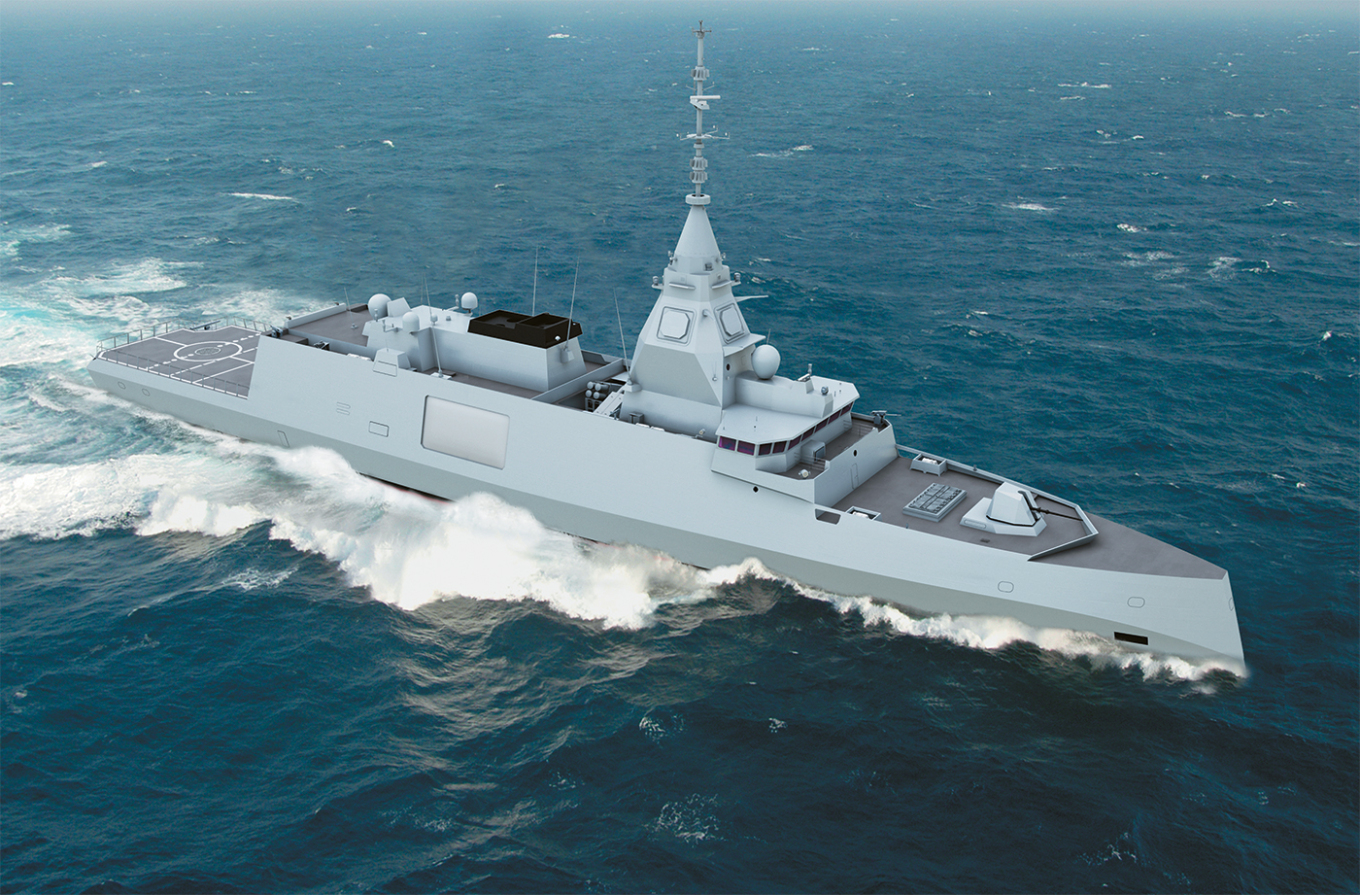
A new chapter for the country’s deterrent power and domestic business was opened by the KYSEA meeting midweek, which gave the green light not only for the acquisition of the fourth FDI (Belharra) frigate by the Navy but also for the Long-Term Defense Armaments Program for the Armed Forces 2025–2036. At least €25 billion will be allocated over the next twelve years to meet its requirements.
In a period of historic geopolitical shifts and active provocations for both Europe and Greece, defense shielding becomes more than a government priority. It simultaneously redefines the national defense doctrine and accelerates the development of defense systems by the Greek private sector.

Defense Minister Nikos Dendias with his French counterpart Sébastien Lecornu, who signed a contract for the purchase of 16 Exocet missiles.
At the same time, the challenge of developing weapons systems “Made in Greece” is closely linked with the €800 billion European “Re-Arm Europe” package for EU rearmament, as Brussels seeks a purely European defense industry, excluding third countries from this initiative. In this context, the U.S., Israel, China, and other defense leaders are initially sidelined, while Greece’s stance firmly excludes Turkish participation—a point Defense Minister Nikos Dendias emphasizes at every opportunity.
In the Digital Era
Conversely, the potential for partnerships between Greek companies and industry giants—even from third countries—opens another window for Athens, which aims to seize every investment opportunity. Beyond the global rise in revisionism, a further catalyst for modernizing Greece’s Armed Forces was the so-called “memorandum freeze”—a complete halt in defense procurement over the past 15 years, leaving the country’s deterrence capabilities outdated.
These conditions, combined with what Minister Dendias refers to as a “real threat” (an indirect reference to Turkish aggression), led for the first time to the formulation of a Long-Term Defense Armament Program (LTAP), which outlines both current needs and the evolving nature of warfare in the 21st century digital age.
According to the government’s 12-year defense plan, over €25 billion will be directed toward four main pillars, with the ultimate goal of transforming threat response across land, sea, and air by 2030—leveraging next-generation weapon systems to project the image of an invulnerable state.
€25 Billion as a Starting Point
As Defense Minister Dendias has often stated, “effective defense is not free.” A crucial element in the holistic approach of the new program is the mandated 25% participation of the domestic defense and shipbuilding industry, a request submitted by the Minister himself.
To avoid “off-the-shelf” shopping from other countries, the Ministry has established the Hellenic Defense Innovation Center (ELKAK), aiming to build a genuinely Greek defense ecosystem driven by innovation, leveraging both affordable investment opportunities for Greek entrepreneurs and highly skilled domestic scientific talent.
Already, the €25 billion package leaves around €4.5 billion available for the Greek defense industry, while inflexible obligations from past procurement programs (€10–12 billion) are not expected to be reevaluated, further expanding the scope of Greek investment.
Furthermore, the expansion of the new defense program was enabled by Greece’s use of the EU’s escape clause, reportedly securing an additional €3 billion. Future deterrent upgrades will also benefit from increased growth rates, allowing for further budget inflows to the Armed Forces.
The New Weapons
Taking into account fiscal realities and new warfare developments, the LTAP includes, according to sources, a set of new strategic weapons systems, such as:
- “Achilles’ Shield”, featuring five layers: anti-missile, anti-air, anti-drone, anti-ship, and anti-submarine protection across all of Greek territory. The creation of this cohesive, multilayered defense dome will free up frigates and naval assets, along with fighter jets, from territorial defense roles to focus on offensive missions.
- A Modern Navy with at least 10 advanced frigates (4 FDIs, 2 or more FREMMs, and 4 upgraded MEKOs), along with the Constellation frigate co-production program. Three of the four FDIs will carry strategic weapons, significantly enhancing operational capability. Capabilities will further grow with the acquisition of modern Romeo anti-submarine helicopters—three already delivered, four more on the way. There are also plans to modernize submarines and missile boats with new vessels.
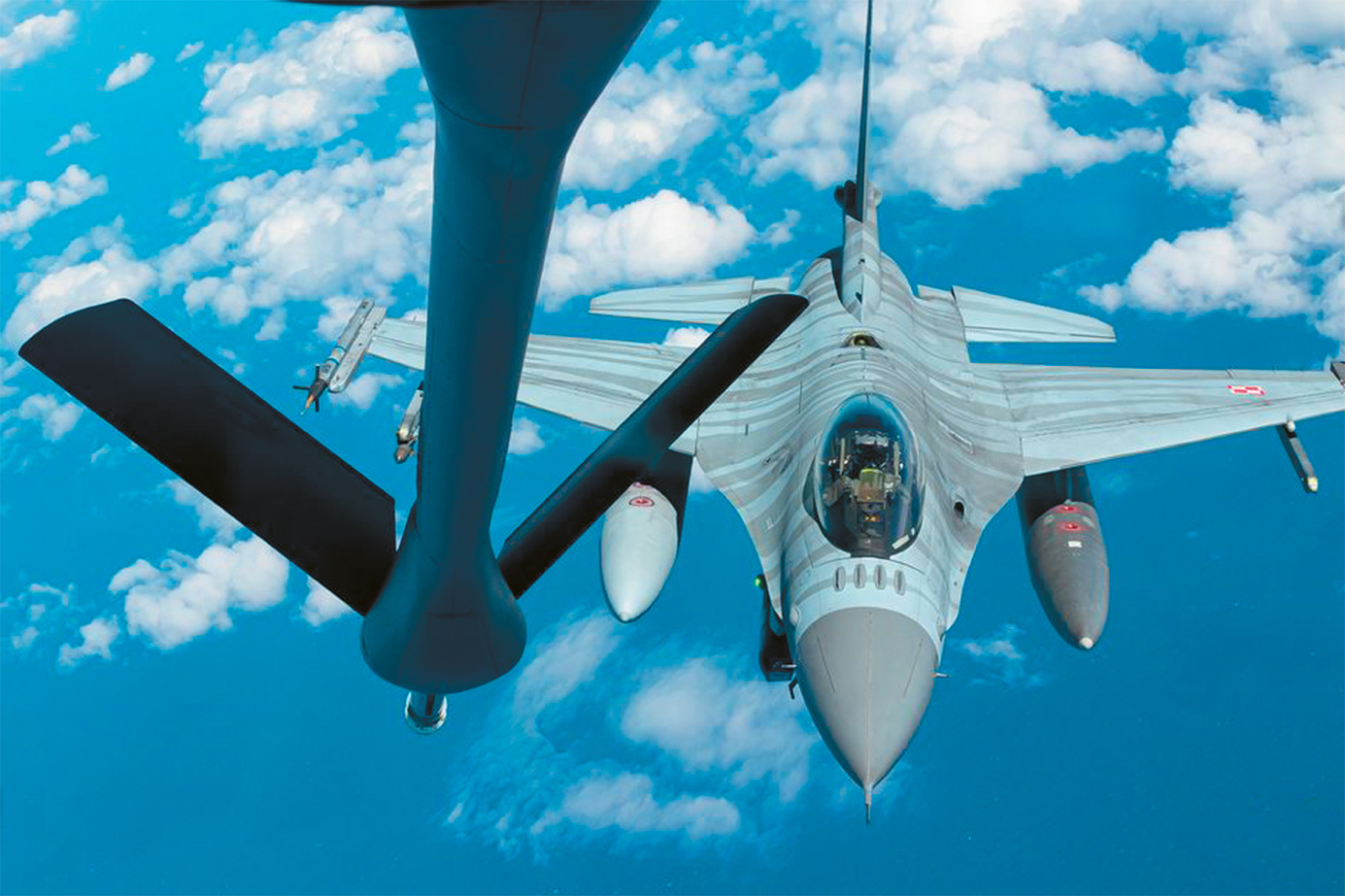
- Air Force with 200 4.5 and 5th generation fighter aircraft (F-35, Rafale, F-16 Viper). The plan includes equipping many of them with strategic weapons and enabling aerial refueling via tanker aircraft, according to a plan in its final stages, so that the Hellenic Air Force can significantly enhance its operational range.
- Army with full capabilities for the use of drones (both reconnaissance and attack types) as well as anti-drone systems to counter enemy UAVs, and equipped with modern helicopters (Black Hawk, Apache, Cobra). Beyond new weapons, the Pentagon’s plan also includes the modernization of existing transport vehicles, replacing those over 40 years old.
- “Modern Warrior” program for upgrading individual soldier equipment in the Army. The upgrade architecture is designed to make the “Warrior” effective in the modern and constantly evolving battlefield, based on five pillars: survivability, communication, awareness, flexibility, and firepower.
- Modern communication capabilities, utilizing a state-of-the-art geostationary military communications satellite, as well as mobile satellite communication units that will interface with integrated Command and Control (C2) systems.
- Expanded capabilities in electronic and cyber warfare, through the newly established Units 1864 and 1821. These units, staffed with highly trained personnel and equipped with new surveillance and jamming systems, as well as real-time threat detection systems, are gaining the ability to conduct both defensive and offensive operations.
- Investment in technology development and innovation. The Hellenic Defense Innovation Center (ELKAK), in collaboration with the new 6th Branch of the Hellenic National Defense General Staff (GEETHA), is advancing initiatives that place the Greek Armed Forces at the forefront of global defense innovation. The Greek-designed anti-drone system “Centaur” has already been installed on Navy frigates, and projects are underway to develop unmanned vessels and aircraft, surveillance systems, and battle management platforms.
A radical cultural shift
The new weapons systems represent just one side of the coin in the evolving culture of the Armed Forces, which, according to sources, also includes:
- A restructured military service, with content and methods that are more beneficial both to the Armed Forces and the conscripts themselves, enhancing their combat capabilities while also equipping them with skills for civilian life.
- A new model of modern military reserves.
- Voluntary military service for women.
- A new military healthcare system, with updated services and facilities, including a Training Center and a War Trauma Response Unit.
Over €4.5 billion in Greek hands
The scope of the reform in the Armed Forces, combined with the European funding framework shaped by unprecedented geopolitical shifts, is creating a promising investment landscape for domestic enterprises—many of which are already seeking a share in both the national and international defense markets.
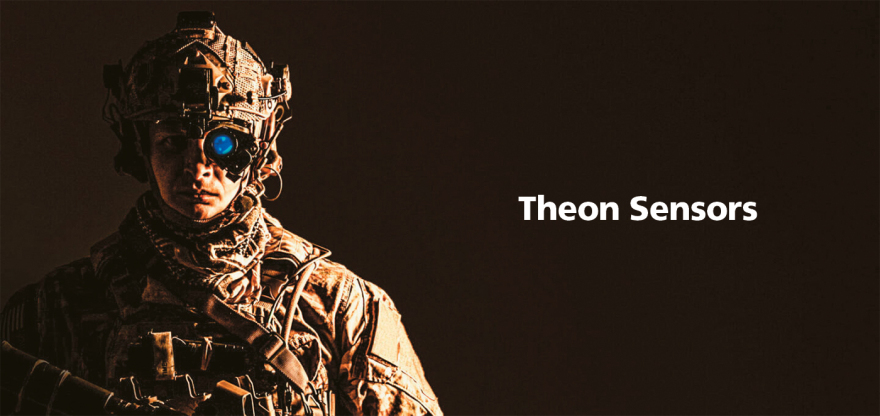
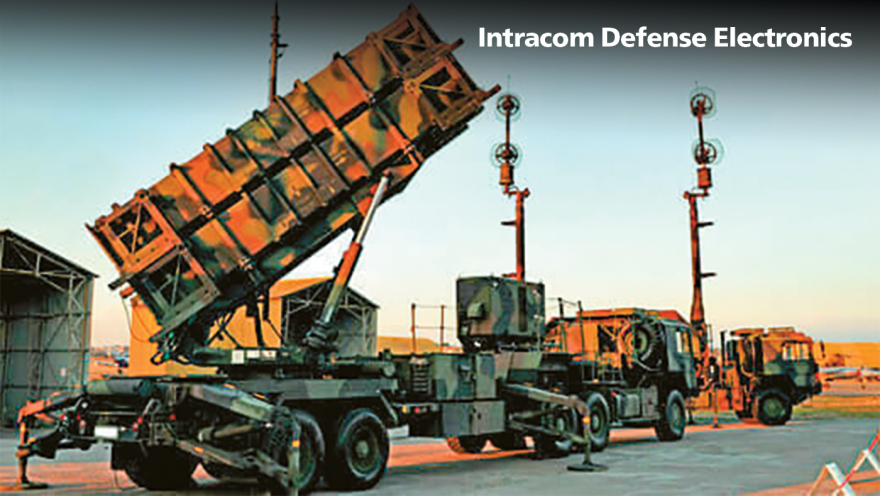
An example is Theon Sensors, specializing in electro-optics and night and thermal vision systems, part of the EFA GROUP and with a strong export orientation (90%), representing one of the domestic companies poised to play a key role in the new era of the Greek defense industry. Intracom Defense Electronics (IDE) also maintains a significant footprint in the field of communications and electronics.

Among the domestic companies in the defense sector are, among others, Mevaco, which manufactures metal parts as a subcontractor; Siamidis, active in the production of individual soldier gear with exports to Sweden; and EFA Ventures, which provides system support services. Additionally, companies such as EODH and Scytalys have export activities. Scytalys’ command and control systems are used by several foreign countries, having managed to enter the supply chain of major companies like Lockheed Martin. Most of these companies have successfully penetrated numerous and challenging markets with high-tech and high-quality products.
Shipbuilding
Beyond exports, the modernization of the fleet is expected to be a catalyst for the domestic shipbuilding industry in the coming years, as Pentagon planners are reportedly exploring how to utilize the majority of the country’s shipyards (Skaramagas, Elefsis, Salamis, and Chalkida).
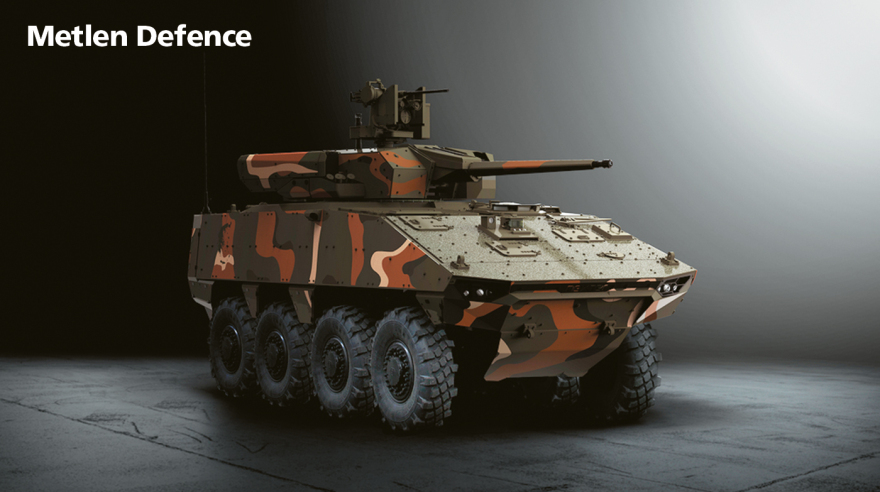
Both Elefsis and Skaramagas shipyards already have facilities for ship and weapon system maintenance and reconstruction, laying the groundwork for the creation of a regional hub. This is a key component of co-production proposals for frigates and surface vessels, like the one recently submitted to the Greek government by France’s Naval Group. Metlen Defense (formerly METKA), which has many years of collaboration experience with German and American companies (KMW – Krauss-Maffei Wegmann), is reportedly also showing interest in participating in co-production and military vehicle programs, which could strengthen its chances of joining the ReArm Europe program.
Besides purely private initiatives, the participation of Hellenic Aerospace Industry (HAI) in the F-16 upgrade program to Viper level brings closer the possibility of public-private partnerships, especially for the Air Force. Already, the push for a common European defense is renewing the discussion on the future of EAS (Hellenic Defense Systems), HAI, and ELVO (Hellenic Vehicle Industry). In particular, military circles estimate that HAI could play a critical role in fighter aircraft maintenance, given its accumulated expertise over the years. Recently, the Viohalco Group has also shown interest in entering the defense sector.
Cutting-edge technologies
Beyond conventional equipment, many defense analysts believe Greece is poised to make a strategic leap in advanced defense technologies within the next five years, largely thanks to its highly educated technical workforce.
Supporting this view is the growing presence of Greek companies in the unmanned systems (drones) sector, whose dominance in 21st-century warfare was strikingly confirmed by the war in Ukraine. Demonstrating competitiveness in global markets, Greek firms such as Ucandrone, Aether Aeronautics, Altus, and SAS have developed similar applications, many of them bringing back Greek scientists from abroad.
“Blue Homeland” and the Mediterranean
Institutional and diplomatic initiatives are also underway, reflecting the declared commitment of Prime Minister Kyriakos Mitsotakis and the Minister of National Defense to establish a Greek defense ecosystem based on innovation within the next five years. The Prime Minister’s recent remark from Livadeia that “our priority is to strengthen national defense while also supporting local industry” was no coincidence, nor is the pursuit of broader interstate collaborations focused on the Eastern Mediterranean and the Middle East.
The potential export of know-how and Greek defense products would not be far-fetched, especially as Athens strengthens bilateral military ties with countries like Lebanon and boosts its participation in EU missions, such as the “ASPIDES” initiative in the Red Sea.
New Weapons Shielding Greece
The new weapons systems bolstering Greece’s defense — and how the substantial rearmament package will be distributed over the next five years — illustrate a new era. These developments are clear examples of the work done by Greek defense industries, many of which are distinguished by their export-oriented focus.
At the same time, Turkey’s renewed unfounded provocations under the banner of “Blue Homeland” leave no room for delays in Greece’s defense sector. According to “THEMA” sources, fleet modernization efforts are set to begin in 2025, triggering an immediate push to enhance domestic defense production.
Ask me anything
Explore related questions