The Easter holidays are a time full of joy, family moments, and, of course, rich meals. Lamb, tsoureki (Greek Easter bread), cookies, eggs, and all kinds of delicacies fill our tables, and it’s perfectly normal to enjoy these festive moments without second thoughts. However, after the celebrations end, many of us feel the need to return to a more balanced routine. The key to this return is neither panic nor overly strict diets, but a calm, gradual approach that respects our body’s needs.
Nutrition After Easter: The Importance of Patience
The first and most important step after the Easter holidays is to avoid the temptation to fall into extreme diets or to feel guilty about what we ate. Our bodies do not need “punishment” for the delights of the festivities. On the contrary, they need time to readjust to a more usual eating routine. It is normal to feel more “bloated” or heavy after days of richer meals, but this doesn’t mean we should turn to drastic solutions like detox diets or excessive restrictions. Such approaches often lead to cycles of binge eating instead of promoting our health.
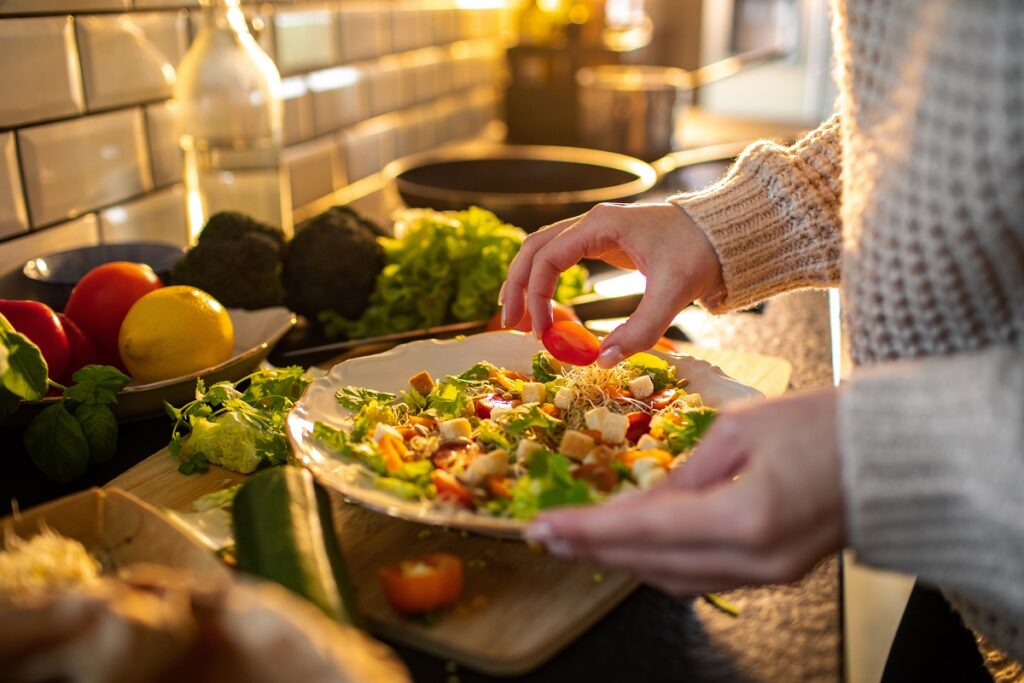
Instead, focus on a gradual return to your daily habits. Start with smaller meals, incorporating more vegetables and fruits into your diet, drinking plenty of water, and perhaps opting for lighter choices. Give yourself at least a week to get back into a normal rhythm. Your body knows how to balance itself, as long as you give it the time and appropriate care.
The Paradox of Binge Eating during Holidays
One interesting pattern that is often observed is that people who tend to eat more during holidays are usually those who follow restrictive diets the rest of the time. When we strictly limit our food intake, our body and mind may react with excessive cravings for “forbidden” foods, especially during times like the holidays when food is central to the celebration. This can lead to overeating, not because we lack “self-control,” but because the very dieting mentality pushes us in that direction.
The solution to this problem does not lie in even stricter restrictions but in a more balanced approach to our diet throughout the year. If we try to eat normally without categorizing foods as “good” and “bad,” it’s less likely that we’ll feel the need to “escape” during the holidays. This doesn’t mean we won’t enjoy Easter sweets or festive meals, but that we will do so in moderation, without the feeling of “breaking” some rule.
Every Person is Different
It’s important to remember that each person has different dietary needs and habits. Some may eat more during celebrations because there are many family gatherings or because food is a central part of their traditions. This is completely normal and should not be accompanied by guilt. Our bodies are capable of adapting during such periods, as long as we give them the opportunity to gradually return to a balanced state.

For example, if you are someone who enjoys food and social interactions, you may eat a little more without even noticing. Instead of worrying, focus on small, practical changes: add a walk to your daily routine, ensure you’re getting good sleep, and return to the meals that make you feel good. Your body will find its way back, as long as you trust it.
Nutrition After Easter: Practical Tips for Restarting
- Listen to Your Body: If you feel the need for lighter meals, opt for smaller portions. If you’re hungrier, don’t overly restrict yourself.
- Don’t Weigh Yourself! Scales may show temporary fluctuations due to water retention or due to consuming saltier meals. Give yourself time without the need to measure your status.
- Stay Hydrated: Water aids in digestion and helps eliminate excess substances while keeping you hydrated.
- Move: Intense exercise is not necessary. A walk or some stretching can help you feel better.
The Easter holidays are a chance to celebrate and enjoy food with our loved ones. The return to routine doesn’t have to be stressful or punishing. With patience, balance, and respect for our body’s needs, we can return to a healthy daily life without losing the joy of celebration. Let’s remember that nutrition is not a race but a journey that requires care and self-acceptance.
Ask me anything
Explore related questions