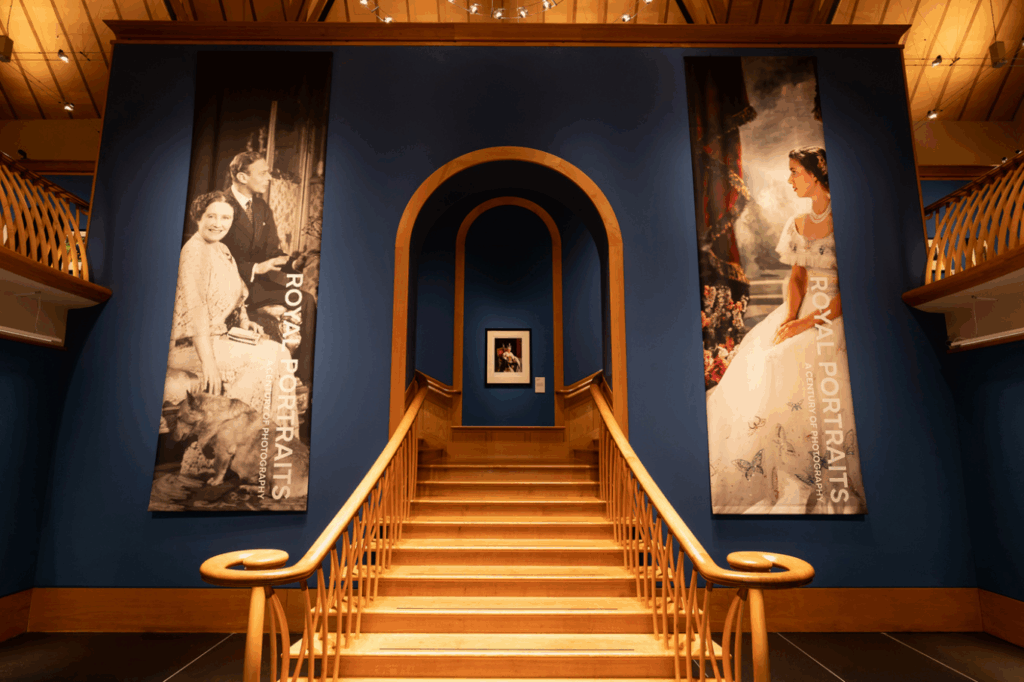
Step into the enchanting world of royal imagery, where each photograph captures more than mere likeness—it’s a narrative of history, tradition, and regal majesty. The upcoming exhibition at Edinburgh’s King’s Gallery, titled “Royal Portraits: A Century of Photography,” invites visitors to embark on a visual journey through time, exploring the evolution of royal portraiture over the past hundred years.
Picture yourself boarding a legendary, fairy-tale carriage—an ornate vessel carrying you through the illustrious corridors of the Windsor dynasty. Alongside distinguished members of the royal family, from Queen Elizabeth II to King Charles III, each portrait tells a story, revealing not only the physical beauty and dignity of its subjects but also the symbolic power they embody.
The Art of Royal Photography
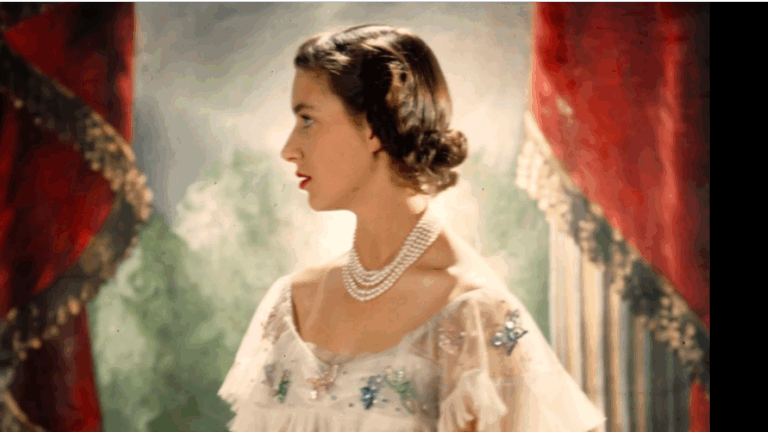
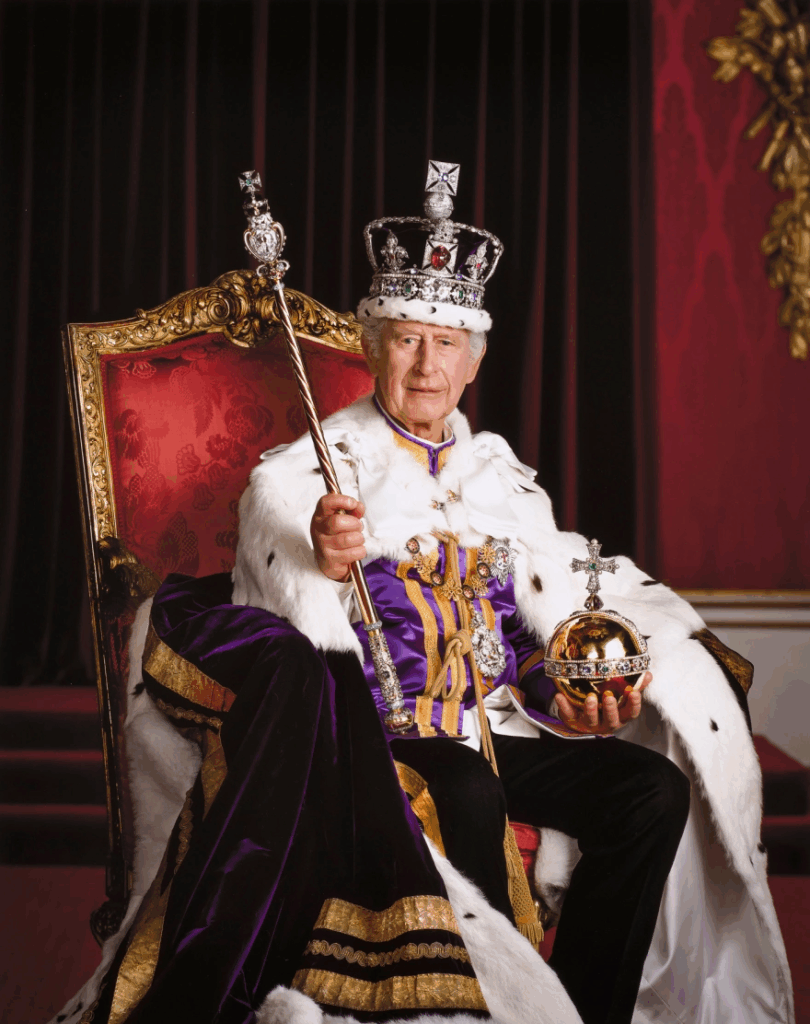
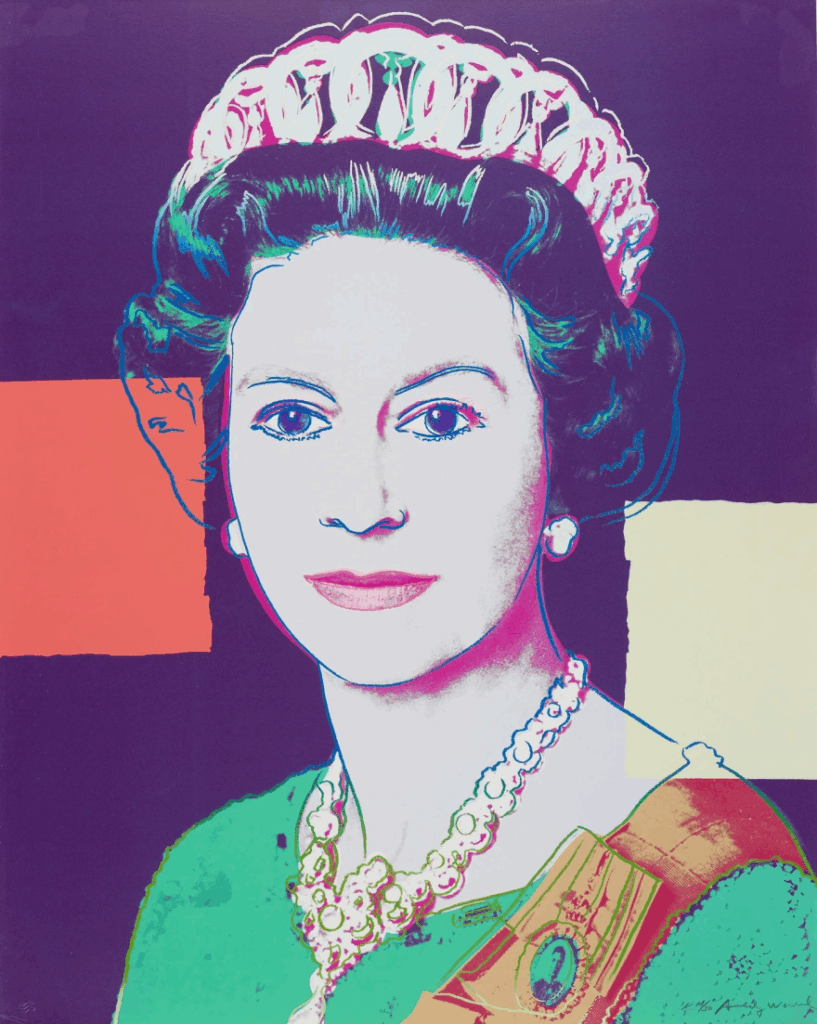
The photographs on display rival the finest works of high art. They narrate entire histories through the royal gaze—be it the poised serenity of Queen Elizabeth II, the captivating allure of Princess Margaret, or the contemplative expression of the current King Charles. These images are not mere protocol; they serve a purpose—they reinforce the monarchy’s connection with its people, bridging the distance between the crown and its subjects with subtle grace.
A Glimpse into Royal Secrets
Queen Elizabeth II once famously remarked that “people need to see me to believe in me.” Raised with the understanding that photography is a powerful tool—an instrument that fortifies the bonds of loyalty and trust—the royal family has long used it as a means of communication. Before the age of social media, when images traveled exclusively through newspapers and magazines, royal photographs became the primary link between the throne and the populace.
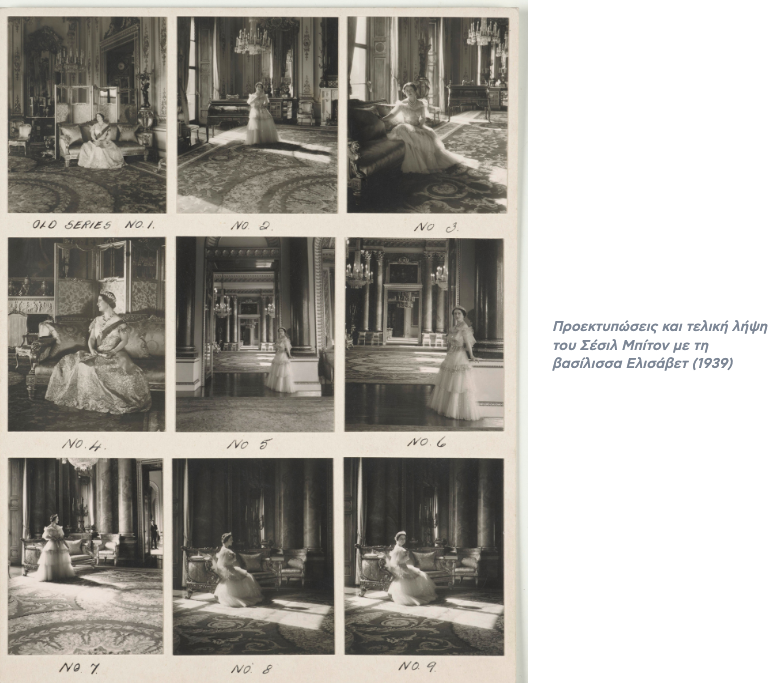
Imagine the challenge faced by renowned photographers like Cecil Beaton, Antony Armstrong-Jones, and Annie Leibovitz, who, through their lenses, sought to capture not just the regal stature but also the soul of their subjects. Their work was driven by a desire to convey the grandeur of the Crown, transforming formal portraits into timeless symbols of authority, grace, and human depth.
Evolving Portrayals
The evolution of royal portraiture is equally fascinating. Early 20th-century images depict the Windsor family as distant and stoic—embodying Victorian virtues of power and morality, with frozen smiles and rigid postures. As decades progressed, the portraits became more relaxed and authentic, revealing genuine emotions and human vulnerability.
Yet, every pose, expression, and accessory is meticulously planned. From the choice of attire and jewelry to the posture and facial expression, every detail is imbued with meaning—designed to uphold the majesty of the monarchy while subtly reflecting its enduring relevance.
Icons in Focus
The exhibition features an array of iconic photographs, including:
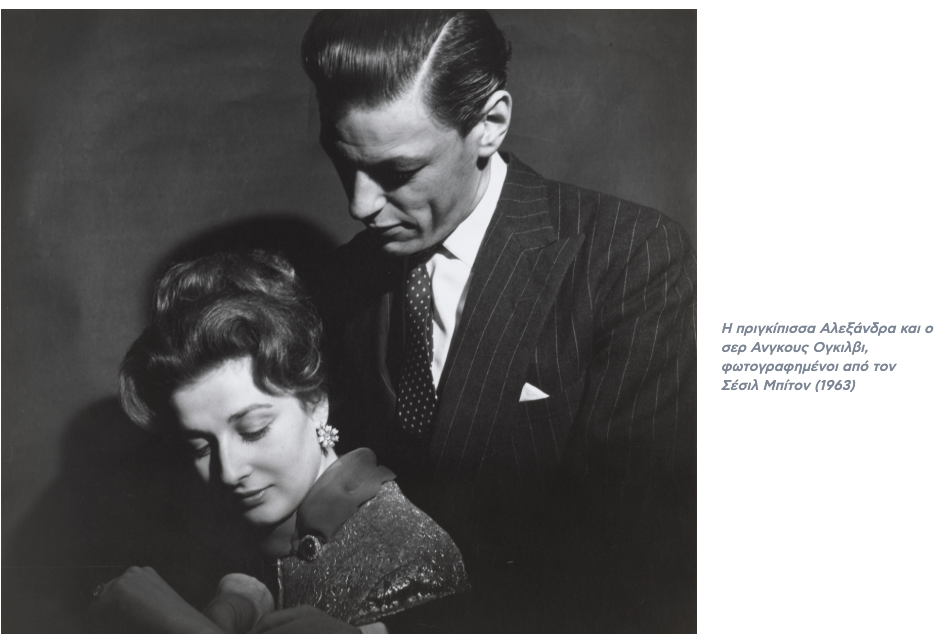
- Princess Alexandra and Sir Angus Ogilvy, captured by Cecil Beaton in 1963
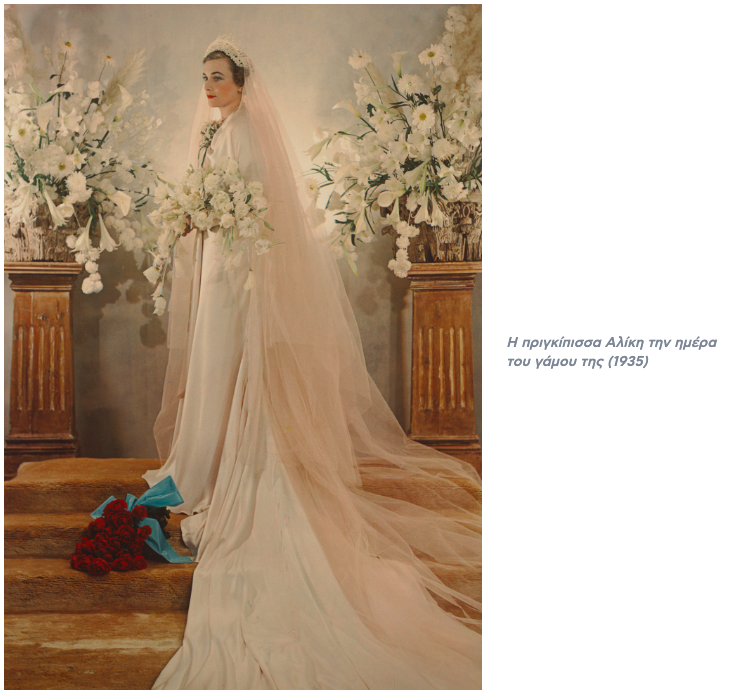
- Princess Alice on her wedding day, a 1935 masterpiece
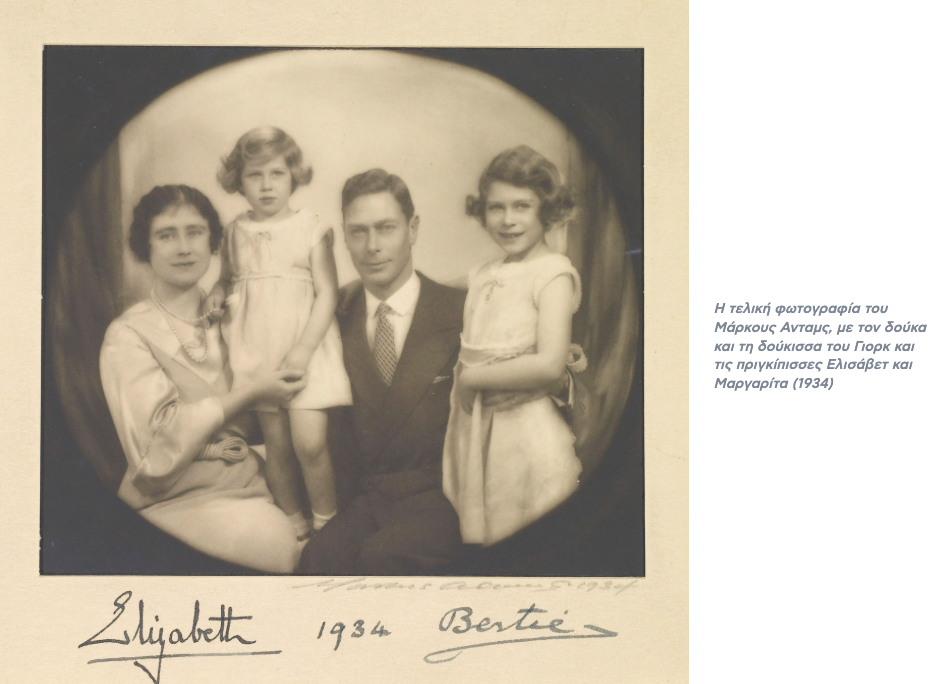
- The final photograph of Marcus Adams with the Duke and Duchess of York, alongside Princess Elizabeth and Princess Margaret in 1934
- Queen Elizabeth II, immortalized by Rankin in 1985
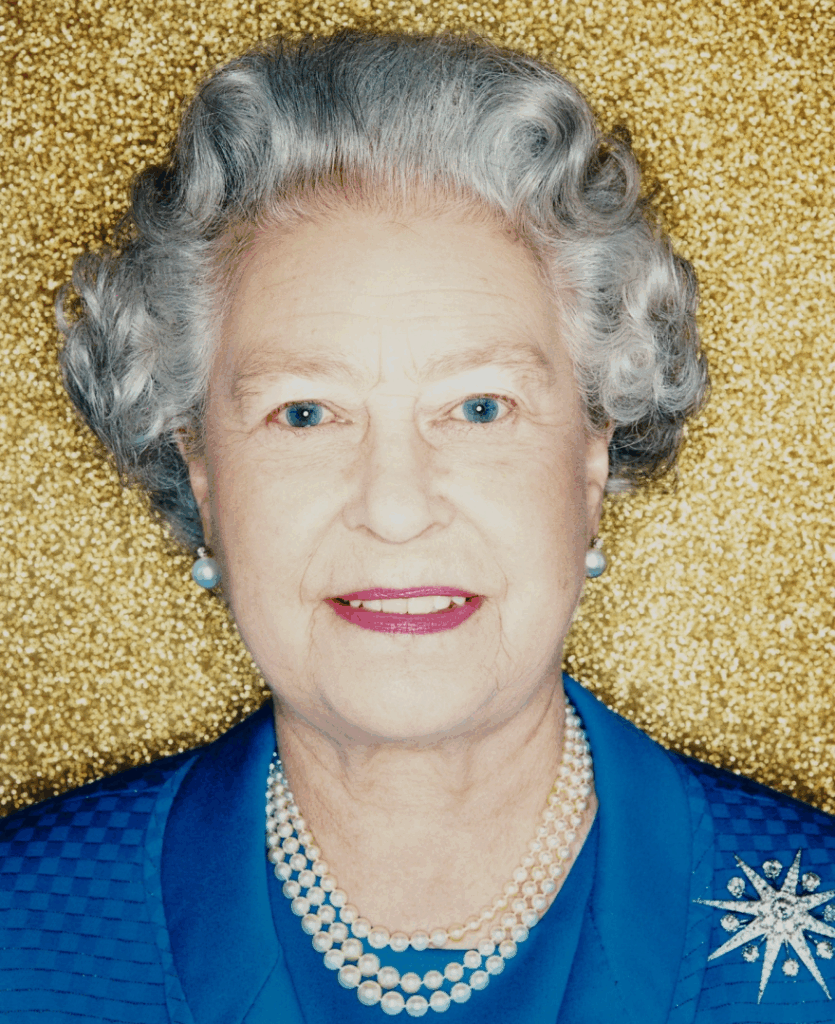
- Close-up portraits from 2001, revealing intimate facets of the Queen’s persona
Each image is a testament to the artistry and symbolism that have defined royal portraiture for generations.
A Lasting Legacy
These photographs are more than mere images—they are historical artifacts, crafted to inspire, reassure, and connect. They serve as a visual legacy of the monarchy’s enduring grandeur and its intricate dance with time and tradition.
As you explore this visual tapestry, let yourself be transported into a world where every picture whispers stories of duty, devotion, and timeless elegance—truly fit for a royal celebration.

Ask me anything
Explore related questions