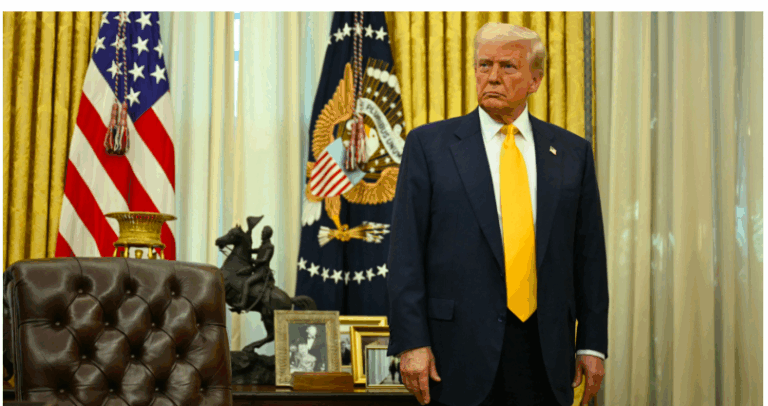
Recent reports highlight significant geopolitical and economic shifts. A notable development involves the U.S. judiciary’s stance on President Trump’s trade policies. A federal court specializing in international trade has invalidated the presidential tariffs, ruling that only Congress possesses the constitutional authority to implement such measures. This decision challenges the executive branch’s use of emergency powers, specifically the 1977 International Emergency Economic Powers Act (IEEPA), which Trump employed to justify broad import tariffs exceeding 10%, reaching as high as 50% depending on the country of origin.
The court’s ruling emphasizes the separation of powers, asserting that the executive’s unilateral tariff imposition exceeds statutory authority and violates constitutional provisions. An accompanying legal opinion underscores that granting the president unchecked authority over customs tariffs constitutes a constitutional overreach, potentially undermining legislative sovereignty.
This ruling arrives amidst heightened tensions over trade policies, with the White House expressing discontent and vowing to appeal, citing concerns over national security and economic sovereignty. The administration maintains that such tariffs are vital tools for addressing unfair trade practices and protecting American industries.
In parallel, the broader strategic context involves regional security concerns, especially regarding Israel’s diplomatic maneuvers in the Middle East and the ongoing conflict in Ukraine. The U.S. continues to navigate complex alliances and confrontations, balancing domestic legal constraints with foreign policy objectives.
These legal and geopolitical developments reflect ongoing debates over executive power, international trade regulation, and regional stability. As courts assert the importance of constitutional checks and balances, policymakers are reminded of the delicate interplay between legal authority and geopolitical strategy.
Ask me anything
Explore related questions