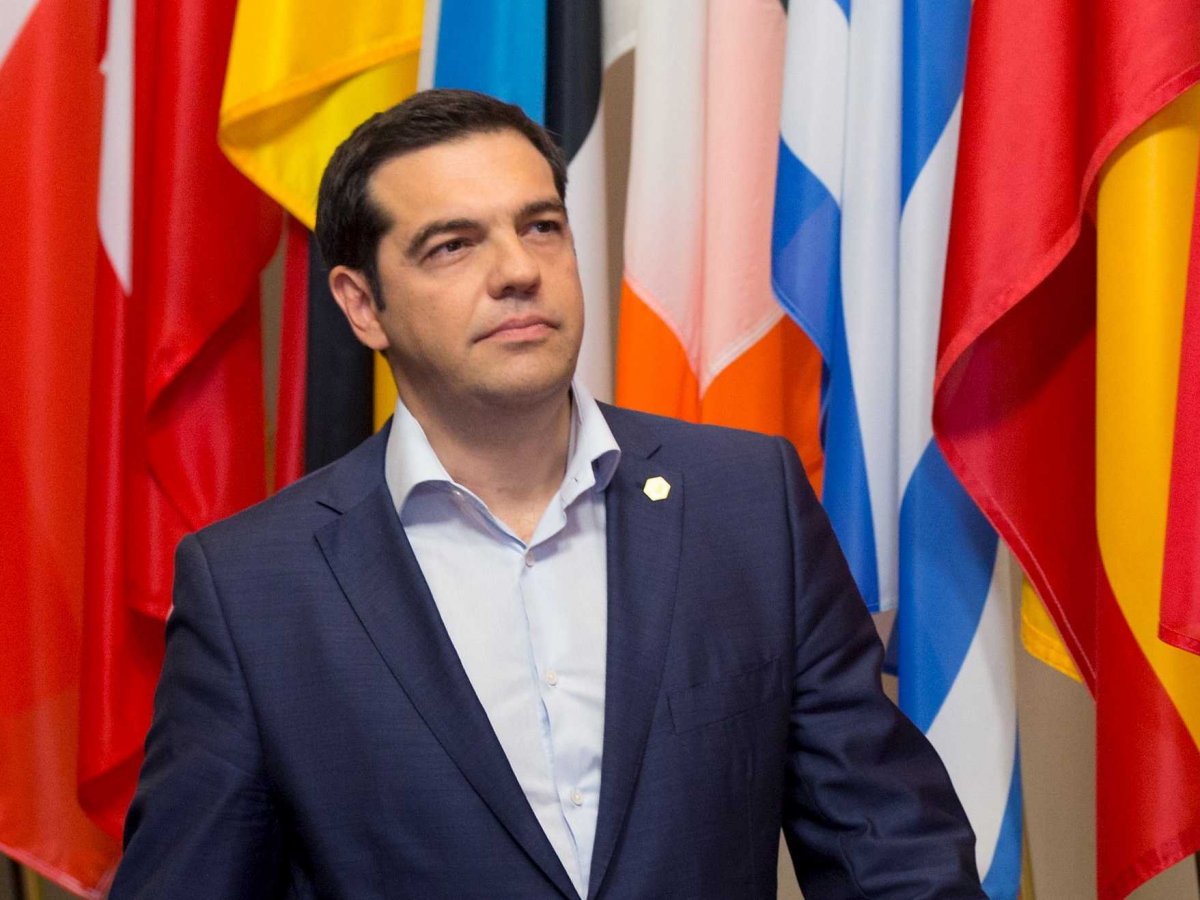
As New Democracy (ND) approaches the midpoint of its second four-year term, recent polling indicates a stabilization of its support base, reminiscent of the early days of its first mandate, effectively countering mid-term attrition. The ruling party consolidates its position with a commanding lead, suggesting a resilient electoral outlook amidst ongoing political developments.
Polling Performance and Public Approval
Recent surveys by MRB and Pulse confirm ND’s lead hovering near 30%, underscoring its sustained electoral momentum. The government’s approval ratings, garnished with bipartisan support, are notably high, particularly about key reforms such as the introduction of tenure in the public sector—a move that signifies a strategic shift in civil service management.
In terms of voting intentions, ND commands a lead of approximately 10.8 percentage points according to MRB, with a broader margin of 14.1 points when calculated based on valid votes. The electoral landscape remains fragmented, yet the rise of smaller parties like Pleisi Eleftherias, led by Zoe Konstantopoulou, and the emergence of Stefanos Kasselakis’ Movement for Democracy signal a dynamic opposition environment.
Meanwhile, PASOK maintains a consistent third place, with a significant gap from Eleftherias, while SYRIZA’s support remains modest, estimated between 4.8% and 5.5%. The detailed polling figures reveal a nuanced political terrain:
– Without Vote Reduction:
– ND: 22.7%
– Liberty Party: 11.9%
– PASOK: 10.1%
– Hellenic Solution: 8.2%
– KKE: 6.5%
– SYRIZA: 4.2%
– Mera25 / Niki / Democracy Movement: 2.7%
– Other parties and Unaffiliateds also account for notable shares.
– Based on Valid Votes:
– ND: 29.7%
– Liberty Party: 15.6%
– PASOK: 13.2%
– Hellenic Solution: 10.7%
– KKE: 8.5%
– SYRIZA: 5.5%
– Mera25 / Niki / Democracy Movement: 3.5%
Leadership and Electoral Preferences
Prime Minister Kyriakos Mitsotakis remains the most favored candidate for premiership, with 23.4% support, well ahead of Zoe Konstantopoulou at 11.2%. Other prominent figures include Kyriakos Velopoulos (6.7%), Nikos Androulakis (5.4%), and Dimitris Koutsoumpas (2.6%).
Youth and Demographic Dynamics
Among younger voters (17–34), Pleisi Eleftherias dominates as the preferred party, capturing 17% support, highlighting its growing influence in this demographic. Conversely, ND retains its primacy among voters over 35, with especially strong backing among those aged 65 and above (38.2%). The data underscores a generational divide, with progressive parties gaining traction among youth, while traditional support remains with the ND among older voters.
Key Policy and Political Developments
The government’s plan to abolish civil servant tenure, a contentious reform, continues to draw mixed reactions. According to MRB polls, 39.8% believe this move is politically motivated, while 22.8% view it as a strategic measure to enhance civil service control. Only 17.2% see it as a genuine effort to improve public administration, and 12.2% believe it reflects the Prime Minister’s sincere commitment to reform.
On foreign policy, public opinion remains skeptical of Greece’s stance on regional issues. Approximately 64.9% oppose the government’s position regarding Israel’s actions in Gaza, reflecting domestic sensitivities on foreign policy matters. Similarly, on the Teba incident, 77.2% feel the government has not done enough to clarify the circumstances surrounding the tragedy, indicating a desire for greater transparency.
Main Concerns and Emotional Climate
Greeks’ primary concerns revolve around issues of accuracy (48.6%), healthcare (24.8%), income (22.6%), and justice (17.6%). Crime and rent follow at lower levels of concern. The emotional landscape reveals a nation experiencing frustration and disappointment—44.3% and 43.8% respectively—while hope and pride occupy secondary positions.
European Defense and Regional Stability
Public opinion is largely wary of Turkey’s participation in joint European defense initiatives, with 56% opposing such cooperation. However, a significant minority (one-third) supports it under certain conditions, and more than half see Ankara’s potential withdrawal from the casus belli as an initial step toward de-escalation—a nuanced stance reflecting cautious regional diplomacy.
This overview underscores the political resilience of ND, the complexities within opposition dynamics, and the public’s priorities amid current domestic and regional challenges. The upcoming months will be pivotal in shaping Greece’s political trajectory as reform and foreign policy debates intensify.
Ask me anything
Explore related questions