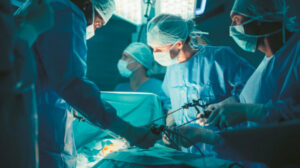
The long list of surgeries in the EASY is slowly but steadily shrinking. The plan to decongest the operating theatres that the leadership of the Ministry of Health has been implementing since early last year, first with paid and then free evening surgeries in public hospitals, is now at the stage of performing free surgeries in private clinics, always based on the single list of NHS surgeries.
The Health Ministry’s aim is that by the end of the year, the list of more than 105,000 regular surgical cases will not include records with a waiting time of more than four months. Recall that the single list does not include emergency and oncology cases. Seventy percent of the procedures on hold are for eye cataracts, hip replacement, knee replacement, umbilical hernia, and cholecystectomy.
In total, since March 2024, when afternoon surgeries were launched in the NHS, with Minister Adonis Georgiades giving the starting signal at the time for “the biggest reform in the NHS”, almost 10,000 operations have been performed, paid and free of charge, to date. This is a remarkable number if one considers the specific, in many cases finite, possibilities that public hospitals, especially in the region, have to support this reform, due to the shortages of anaesthesiologists, nurses, and doctors.
Data available to “THEMA” on the rate of all surgeries, morning and afternoon, shows an increasing trend in 2024 and 2025, to which afternoon surgeries have contributed.
According to the Ministry of Health, 478,000 surgeries were performed in 2024, up 4% from 2023. In the first quarter of 2025, more than 136,000 surgeries were performed, an increase of 7.2% compared to the 127,000 surgeries completed in the same period in 2024.
“The picture is improved, but not satisfactory. Our goal is that no one will be without surgery for months. We have already significantly reduced the waiting times, and we continue with a plan and determination,” underlines Deputy Minister of Health Marios Themistocleous.
The afternoon
In public hospitals in 2024, 4,253 paid surgeries were performed. The bulk of the cases prioritised on the list were from 2021 onwards. While there were also cases dating back to 2017. Now most hospitals have procedures scheduled in 2022 and 2023.
From November 2024, free evening surgeries (funded by the Recovery Fund) began in November 2024, putting a temporary pause on paid surgeries. Since then, 5,577 free evening surgeries have been performed in the NHS to date, including 1,500 in the last two months of 2024 and the remainder in the current year.
The free afternoon surgeries are performed in all Health Care Regions (HCRs) of the country, in order to meet the needs of patients to the maximum extent possible. However, of all public hospitals, about half, 65 out of 130 hospitals, participate. The health ministry’s target, however, includes conducting 37,500 free evening surgeries by the end of 2025.
One in four afternoon surgeries performed are for general surgery cases (e.g., umbilical hernia, cholecystectomy, etc.). 22% are ophthalmological procedures and 21% are orthopaedic procedures. The top five most common afternoon surgeries are completed by otolaryngology (9%) and vascular surgery (6%). The remaining afternoon surgeries (16%) include cases from specialties such as gynecology, urology, neurosurgery, maxillofacial surgery, plastic surgery,y and thoracic surgery.
Private clinics
Since the beginning of May, the third intervention to clear the list of surgeries has been implemented, namely the performance of operations free of charge in private clinics. The process has started, and more than 100 people have already been operated on, and another 7,000 surgeries have been secured in private clinics.
Beneficiaries, those on the NHS single surgery list, receive a text message (sms) on their mobile phone about the possibility of having surgery at a private clinic. The messages are sent on a first-come, first-served basis, depending on how long they have been waiting, with those who have been waiting for more than four months being first on the list. After receiving the text message, patients go to the special website (epemvaseis.gov.gr) for information and guidance.
Payments to employees
At the same time, the Federation of Greek Hospital Doctors’ Associations (OENGE) complains that surgeons are being asked to travel to other hospitals outside their headquarters to carry out operations. The Union of Athens-Piraeus Hospital Doctors (EINAP) is demanding that the 100 closed surgical rooms in Attica be opened with the hiring of permanent staff.
Protests are also being registered over delays in the compensation of health professionals participating in evening surgeries. A blockage has been found in individual hospitals, including “Papanikolaou”, Attikon, Larissa University Hospital, and Sismanoglio, with the Health Ministry initiating the resolution.
So far, the employees of the evening surgeries have been paid for November and December 2024, with the total amount of payments being more than 500,000 euros. Payments for the first two months of the year will begin immediately, according to the ministry.
Ask me anything
Explore related questions