





NATO is moving to expand its satellite surveillance capabilities so it can “scan” military movements in Ukraine and on Russia’s border with its eastern members, according to Admiral Pierre Vandier, the alliance’s commander for strategy and transformation.
Vandier told Bloomberg that the new tool will enable NATO to monitor vast areas for the first time, allowing it to observe maneuvers, troop movements and combat operations. “Today we are not sure that the Russians will stop in Ukraine, Vandier said, stressing the importance of reassuring countries in the alliance’s eastern wing. “We can say to them: we are watching you, he added.
New technology
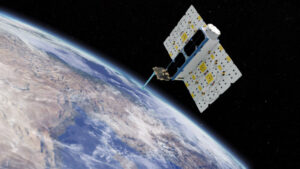
NATO has announced that it has selected the US satellite imagery provider “Planet Labs” for a new initiative called “Smart Wide Area Detection, Indication and Warning System” (SINBAD). Its goal is to scan areas of the planet very frequently throughout the year, while artificial intelligence helps pinpoint any changes and issue warnings.
According to a NATO spokesman who wished to remain anonymous, the technology could also be used to monitor the Arctic, which is becoming increasingly important to NATO because of Russia and China’s growing ambitions in the region.
NATO’s plans
NATO began developing a space surveillance system after Russia’s full-scale invasion of Ukraine in 2022. According to the alliance spokesman, SINBAD is a pilot project that begins before the broader deployment of NATO’s space surveillance system, which is scheduled for January 2026.
Space surveillance is one of the key areas in which NATO is heavily dependent on US capabilities. Other members of the alliance are trying to balance their dependence on the US after President Donald Trump moved away from Europe to focus on threats from Asia.
Last week, NATO defense ministers approved one of the most ambitious pledges to increase weapons stockpiles since the Cold War as part of efforts by Europe and Canada to rearm and take greater responsibility for defense.
Ask me anything
Explore related questions




