





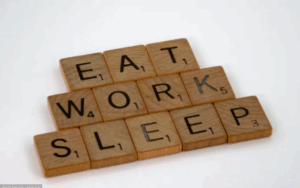
Overworking is not the result of poor time management or lack of work-life balance. It’s a deeper, systemic, and economic phenomenon with serious consequences for the health and psychology of millions. In 2016 alone, nearly 750,000 people globally died from heart disease and strokes directly linked to long working hours.
Despite these discouraging statistics, work culture continues to glorify exhaustion. Overwork has become a sign of dedication and professionalism in a labor market dominated by precarity, the gig economy, and a lack of stable contracts.
The pandemic and remote work made things worse. The boundaries between personal and professional time nearly vanished, trapping many workers in a culture of constant availability. Studies show a dramatic rise in burnout: 52% of U.S. workers report feeling burned out post-pandemic, with Millennials and Gen Z being the most vulnerable.
But financial insecurity doesn’t only affect low-income workers. Even high-level executives are forced to overwork, fearing loss of income or status. Overwork functions as a defense mechanism in a world where economic or health crises can immediately threaten one’s survival.
This phenomenon is thoroughly analyzed by executive coach and leadership trainer Amina AlTai in her new book The Ambition Trap. Through empirical data and personal observations, she reveals how constant ambition, survival instincts, and social pressure create a vicious cycle that leads to burnout.
She proposes a self-assessment questionnaire for those who want to check if they’ve fallen into the overwork trap:
- Have you become pessimistic or defeated at work—even about things you once cared about?
- Does it take more energy and effort to get to work than before? Do you struggle to focus or start your day?
- Are you less patient with the people you used to care for (clients, coworkers, supervisors)?
- Do you have trouble concentrating?
- How often do you feel overwhelmed by work and obligations? (Rarely, often, very often)
- Do you feel motivated? Have the things that inspired you lost their meaning?
- Do you use avoidance strategies to escape discomfort (e.g., shopping, alcohol, food)?
- Do you have physical symptoms such as headaches, stomachaches, or changes in sleep or appetite?
- Do you blame yourself for needing rest or going through a non-productive period? If so, why?
- What do you observe about your own experience with overworking and the rush?
AlTai emphasizes that we cannot function continuously without rest. Understanding the “why” behind the constant striving is the first step to personal and social change. As she states:
“We live in a society built to keep us constantly busy. But only in moments of rest can we remember why we started struggling in the first place.”
Ask me anything
Explore related questions




