





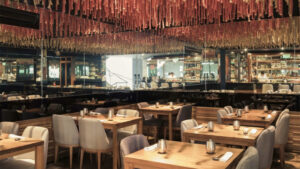
When second-generation Japanese-Peruvian, Mitsuharu “Micha” Tsumura decided to open Maido restaurant in Lima in 2009, his goal was to “fit” all of his culinary perceptions into his restaurant’s unique dishes. He wanted to combine the tastes, smells and experiences he had from the cuisines of Japan and Peru, knowing that until then there was no other restaurant that united the two cultures.
So he introduced the public to Nikkei Cuisine, a fusion of Japanese and Peruvian culinary traditions that began a century ago. However, for the first ten years, Maido was empty. He sold just ten to twenty dishes at lunch and dinner, with many of his colleagues urging Micha to close it. A few years later – sixteen to be exact – the restaurant was ranked No. 1 on the 2025 list of the world’s 50 best restaurants.
From that point on, it was a journey paved with accolades.
In 2013, The World’s 50 Best Restaurants ranked Maido among the best in Latin America. A decade later, in 2023, it soared to fifth place on the global list. Chef Micha Tsumura was also honored with the Estrella Damm Award for his outstanding international career. When asked about the key to his success, the chef believes it’s not just about “delicious food,” but rather the creation of an immersive, holistic experience.
“What we do at Maido, you can only find here,” he says.
“Maido” Means More Than “Welcome”
Maido is a Japanese word that means “welcome.” But in this context, it’s far more than a simple greeting. In Japanese hospitality, it is a way to thank regular customers — an acknowledgment of loyalty and community.
That was Micha’s vision: to build a community, and express his deep love for a cuisine rooted in his childhood memories.
A Journey of the Senses, Not Just a Meal
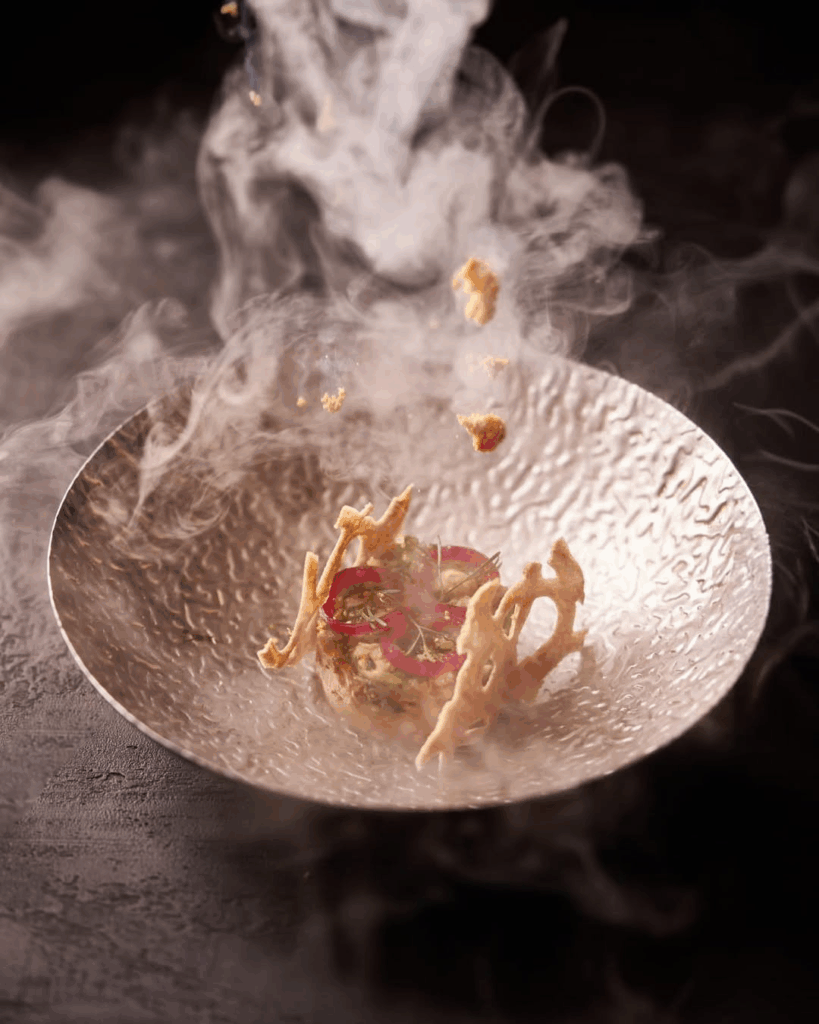
Dining at Maido is not a conventional meal — it’s a sensory journey. The tasting menu, typically spanning 10 to 14 courses, takes guests through Peru’s rich cultural and ecological landscapes, reinterpreted through the lens of Japanese culinary precision.
Imagine:
- Paiche from the Amazon grilled with miso,
- Sea urchin rice with quail egg and wasabi,
- Avocado, egg, tomato, and chashu (roast pork),
- Squid ramen with Amazonian chorizo,
- Duck-stuffed pasta,
- Or an à la carte menu featuring seasonal produce and fresh catch of the day.
Each dish is a dialogue — between land and sea, tradition and innovation, Peru and Japan. A standout creation is the sushi a lo pobre — a unique nigiri-style dish replacing salmon with beef, topped with a fried quail egg, finely chopped onion, chili, and soy.
The Art of Pairing and Precision
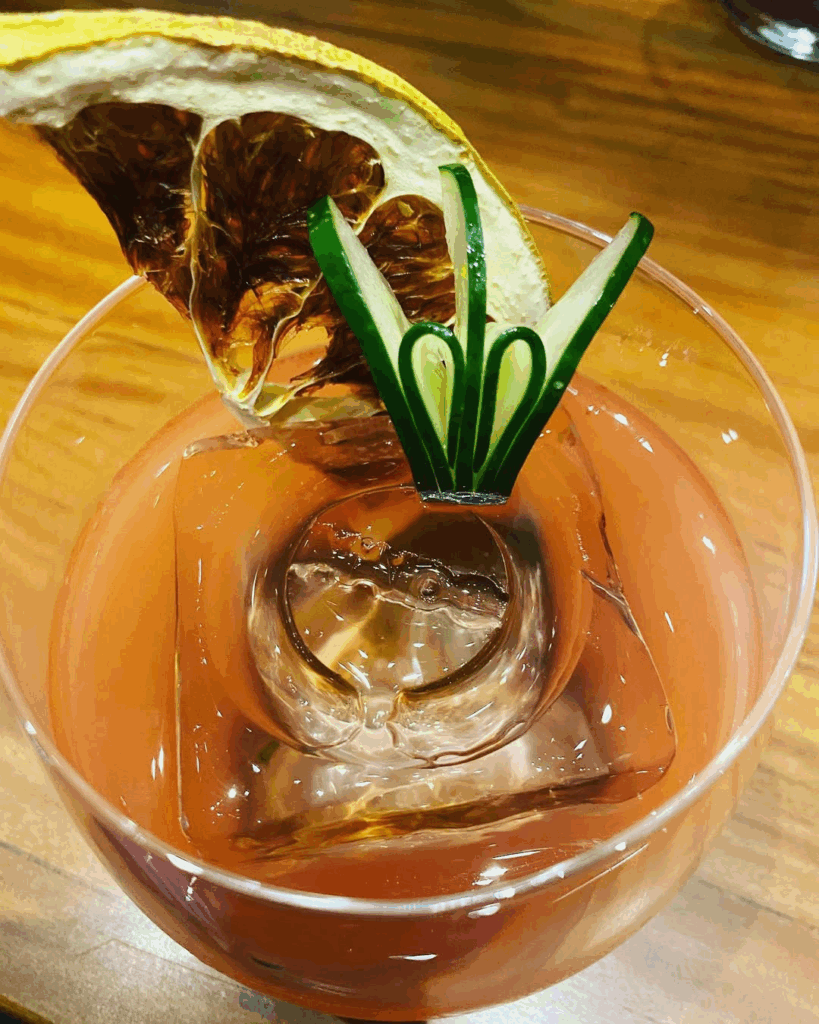
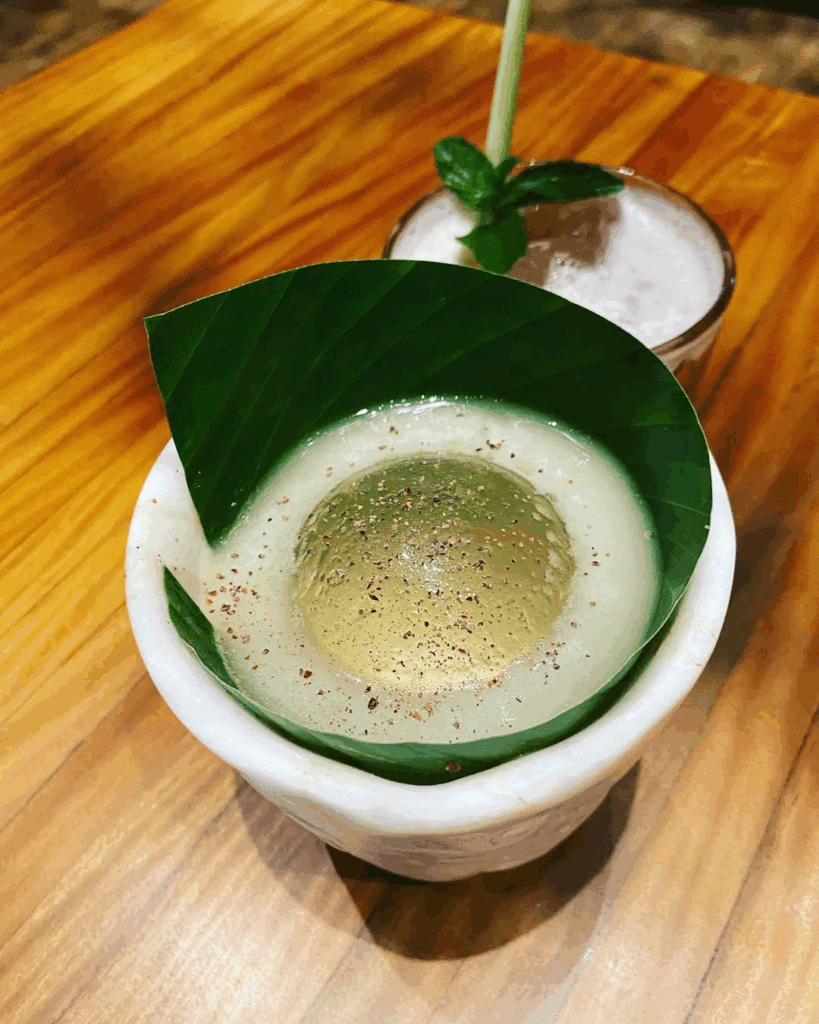
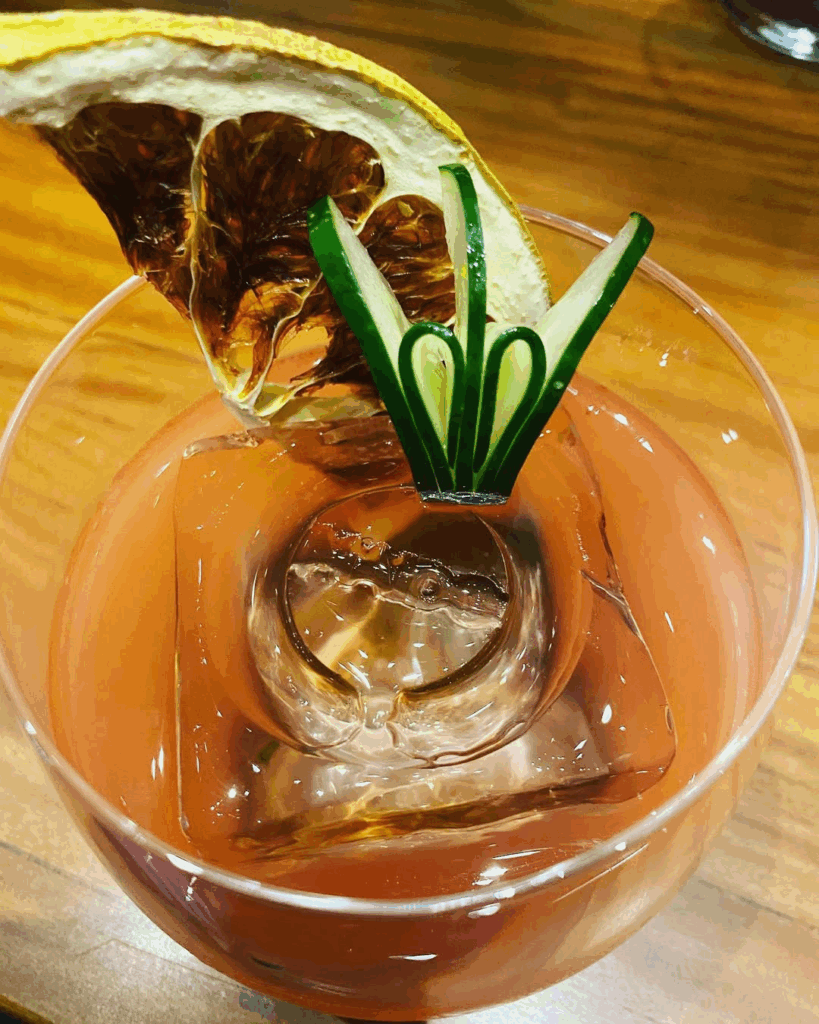
To complement the menu: local beers, premium sake, and innovative cocktails, alongside a carefully curated wine list by Florencia Rey, winner of the Beronia Latin America’s Best Sommelier 2023. Her selections span prestigious wineries from France, Italy, Argentina, Chile, and Peru.
The commitment to detail is astounding. The restaurant operates with a staff of 95 for just 50 seats — nearly two people per guest.
“We have a large team dedicated to creativity in every detail — from the tableware and glasses to the development of non-alcoholic cocktails and even which utensils to invest in. There’s even someone assigned to record guest preferences and visits to personalize their experience,” Micha explains.
A Global Dining Phenomenon with Humble Roots
Reservations at Maido are often booked weeks in advance, and the tasting menu costs upwards of $256 per person — a reflection of its global appeal. Yet despite its prestige, the restaurant retains a humble, welcoming spirit. Every meal begins with the staff energetically calling out “Maido!” — a nod to tradition and warmth.
The Future of Fusion Cuisine
Maido’s success is not just a triumph for a single restaurant — it represents the potential of fusion cuisine when done right. At a time when the label “fusion” often signifies gimmicks or superficial pairings, Maido stands as a masterclass in cultural respect, technical discipline, and narrative depth.
As Chef Tsumura continues to evolve his menu and expand his influence, one thing is certain: the story of Nikkei cuisine is far from over. If anything, Maido is only the prologue — a culinary tale where migration and artistry intertwine, bite by bite.
Ask me anything
Explore related questions




