

Thanos Plevris stated in an interview with BBC that “it is clear that a country cannot accept this kind of pressure from migration and not react,” referring to Greece’s newly adopted, stricter migration policy.
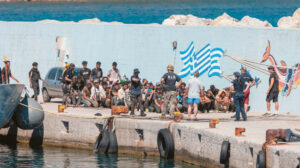
When asked about the “controversial” measure of detaining all migrants who arrive in small boats in the Aegean and denying them access to asylum, the Minister defended the government’s stance, citing a sharp increase in arrivals on the island of Crete.
“You now have people from countries that Greece does not consider safe, including Sudan, being held basically in prisons with no right to apply for asylum. How can this be justified?” the journalist asked.
“I want to be absolutely honest. We’re trying to strike a balance between their rights and the rights of the Greek people,” Plevris responded. “We’ve made it clear that for the next three months we will not be accepting asylum applications. So, anyone entering Greek territory knows they are breaking Greek law,” he added, describing himself as a “hardline” politician.
The BBC article titled “Greece warns of ‘invasion’ as it halts asylum on Med route” reflects the growing tension in Greece as it tries to curb migration via the Mediterranean.
Plevris claimed that Crete was receiving “one, two, three thousand people a day” from Libya before his intervention—though he later revised the number to “almost a thousand” over three days.
“You need to understand that if the countries on the EU’s borders don’t take strict measures, then all this migrant flow will end up in your countries,” he warned. “Greece has been saying this for a long time, but no one was listening back then.”
Meanwhile, residents of Crete—where the tourism season is currently at its peak—shared their concerns with the BBC, fearing that the increased migrant flows could deter tourists from visiting the island.
“They think this island is full of migrants… we’re worried about our businesses,” said a local resident.
It’s noted that the hardline immigration policy adopted by Thanos Plevris also aims to protect the island’s tourism industry, which, as he stated to the outlet, remains a fundamental priority for his ministry.
Ask me anything
Explore related questions