
Archaeologists believe they have found a bath that once belonged to the Roman politician, orator, lawyer, and philosopher Cicero. The ruins of the ancient baths were found in the sunken city of Baiae, on the coast of the Gulf of Naples.
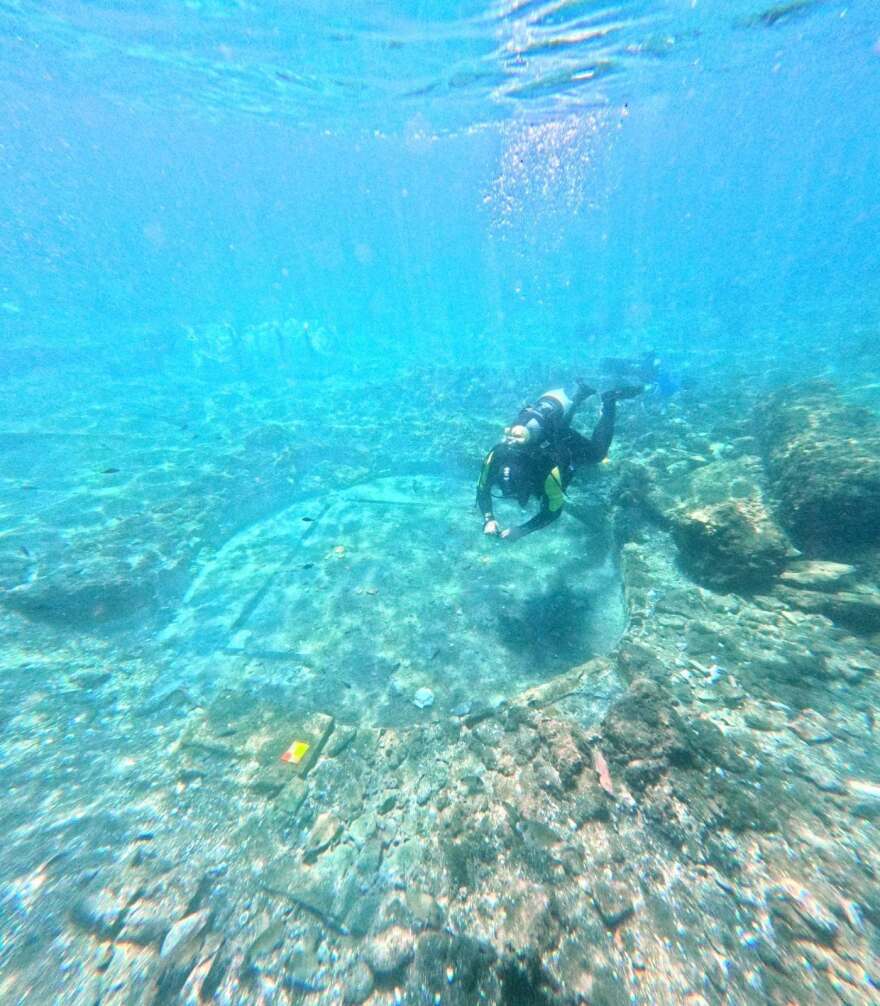
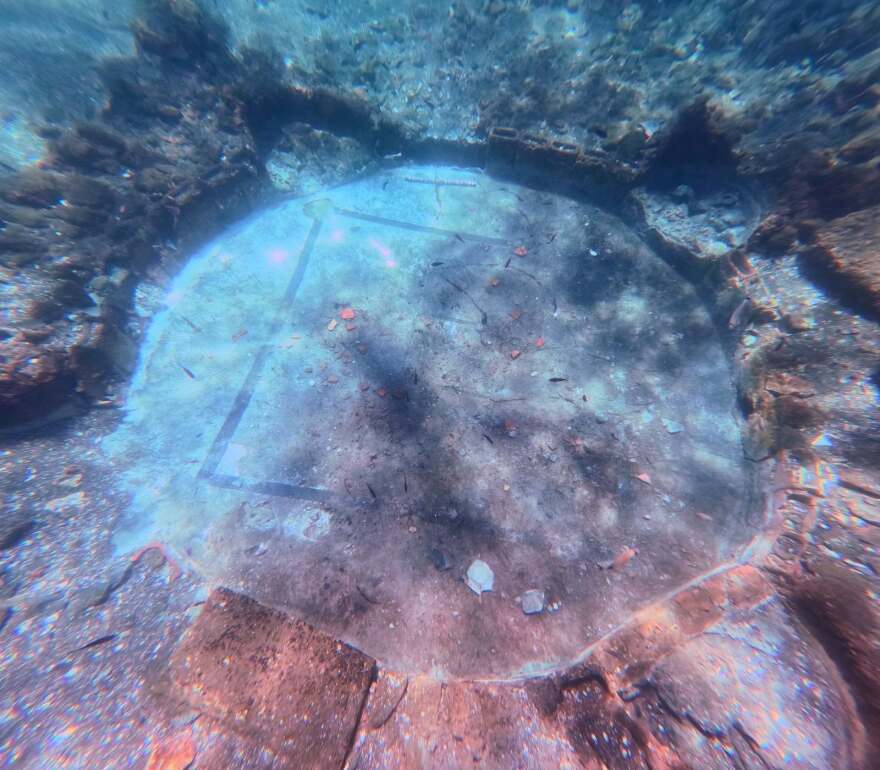
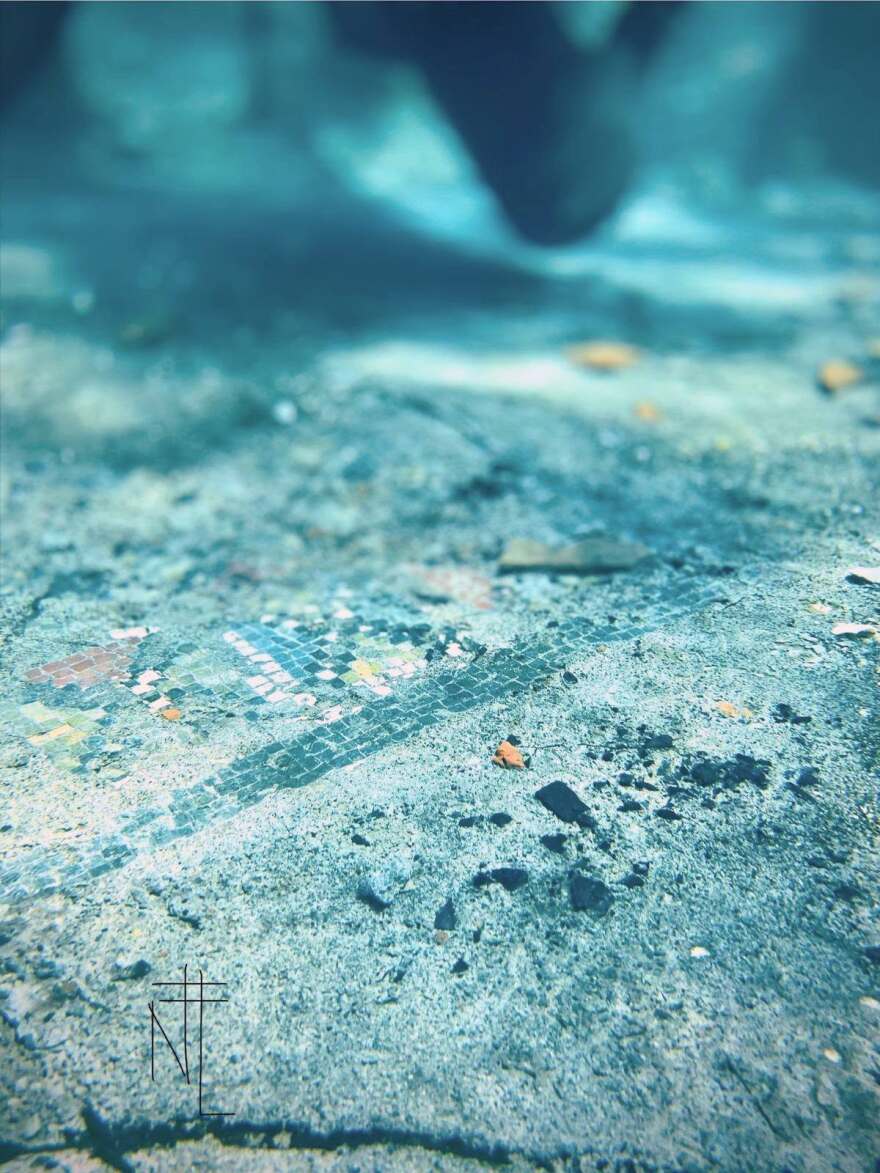
Divers discovered an elaborate mosaic three meters below the waves, in an area that was once a harbor. According to ancient sources, this is the location where Cicero had his villa, which sank into the sea around the 4th century AD, according to the Daily Mail.
Baiae was once a thriving spa town where the wealthiest and most powerful citizens of Rome came to escape the summer heat and enjoy the mineral-rich waters.
In a Facebook post, the Archaeological Park of the Phlegraean Fields wrote: “The case currently under investigation is that we may be in front of the baths of Cicero’s villa.”
The mosaic floor would once have sat above an advanced Roman heating system, turning the room into a sauna. Archaeologists found that the network of pipes and pillars that distributed hot air evenly throughout the bath was still intact after nearly two millennia underwater.
“Harbor of Debauchery”
By the 1st century BC, the city had become the ancient equivalent of Monte Carlo and was a famous center of entertainment and… debauchery. Figures such as Julius Caesar, Augustus, and Nero flocked to the city to display their wealth and host endless parties.
The city soon became synonymous with pleasure and sin, with the poet Sextus Propertius describing it as a “whirlpool of luxury” and a “harbor of debauchery.” However, the city began to sink due to volcanic activity in the area.
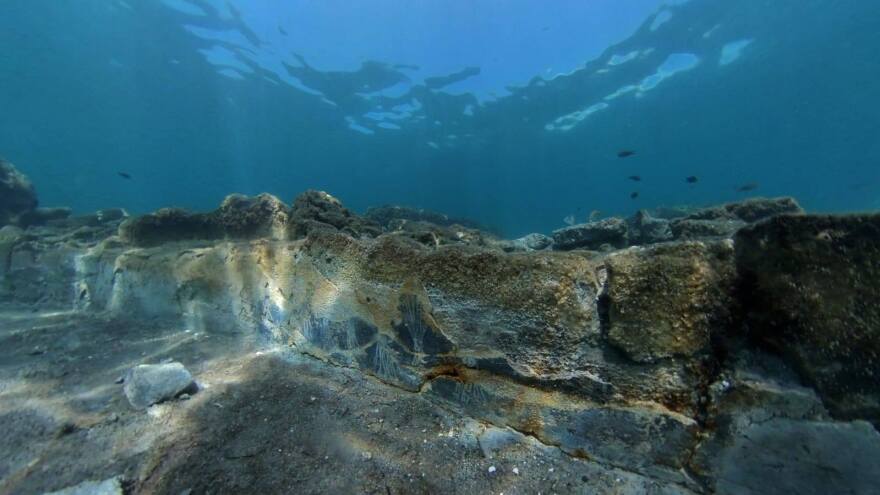
By the 4th century AD, much of the city lay 4–6 meters below sea level, leaving behind one of Italy’s best-preserved archaeological parks.
Rediscovery and Excavation
After its rediscovery in the 1940s, archaeologists have been gradually excavating the lost ruins of the Roman Empire’s “city of sin.”
In 2023, divers uncovered an intact mosaic floor, supported by small brick pillars and surrounded by ceramic fragments.
The baths are part of a larger network of rooms, pools, and corridors that served the Roman elite.
Marcus Tullius Cicero, born in 106 BC, was a renowned scholar and lawyer in ancient Rome. During his life, he fought—unsuccessfully—to defend Rome’s democratic values, as the city plunged into civil war that would eventually give rise to the Empire.
After Julius Caesar’s assassination, Cicero attempted to use Caesar’s adopted son, Octavian, to maintain power. However, Octavian turned against him, and Cicero was executed in December 43 BC.
Historical sources note that Cicero had a villa in Baiae, where he spent his holidays when not in Rome, but the exact location was lost over time. Researchers called the find “exciting” but said further study is needed to confirm definitively that this is indeed Cicero’s villa in Baiae.
The researchers wrote: “Special attention must be given to the ceramic materials discovered during the excavation—which are under study—as they appear to provide significant information about both the construction and destruction of the site. Restoration work on the bath complex, particularly the mosaic floors and painted fragments, will begin in the autumn.”
A member of the research team added: “This discovery not only highlights the daily life of the Roman elite but also enhances our understanding of the social and cultural structure of the era.”
See photos:

Ask me anything
Explore related questions