





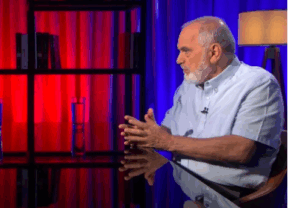
“Cancer is not a death sentence,” stresses breast surgeon Evangelos Filopoulos, president of the Hellenic Cancer Society, pointing out that the very term once commonly used in Greece (“the incurable disease”) is outdated. Thanks to medical progress, many cancer patients today are cured or live for decades. “Many people with cancer live long lives and eventually die from another cause,” he notes, urging society to recognize how far medicine has advanced and to shed the fear and stigma of the past.
Speaking to journalist Giorgos Evgenidis on Proto Thema’s Direct program, Filopoulos discussed new developments in cancer treatment, the worrying increase in cases among younger age groups, and the life-saving value of early diagnosis.

Cancer Cases Rising in Younger People
Referring to the recent death of Alexandra Nikolaidou, which shocked the nation, Filopoulos acknowledged that the rise in cancer cases — especially among those aged 40–50 — is a growing concern for the medical community. While genetics play a role, lifestyle factors are key.
“We now know about smoking, but less attention is paid to alcohol. Alcohol directly damages DNA,” he explained. Regarding smoking, he added: “Those who smoked 15 years ago are now developing the consequences.”
Prevention and Early Diagnosis Save Lives
According to Filopoulos, regular screening is the cornerstone of cancer prevention. “Early diagnosis saves lives,” he said, highlighting that cancers such as breast, cervical, lung, and colorectal are now more often detected at early stages, when treatment is most effective.
Still, he emphasized the complexity of the disease. “Breast cancer is not one disease, but many. There are different categories, and even within the same tumor, one part may be more aggressive than another.” This, he explained, makes personalized treatment essential.
Doctors Must Support Patients
Filopoulos underlined the importance of collaboration among doctors. “No single doctor saves you — it’s the team,” he said. He also criticized physicians who adopt a negative or unsupportive attitude toward patients.
“You cannot just tell them dark news or blame them for coming late. You have to be supportive,” he insisted, calling for compassion and empathy in medical practice.
Greece vs Abroad
On the quality of cancer care in Greece compared with other countries, Filopoulos argued that Greece has excellent doctors, but systemic weaknesses. “We suffer in terms of organization, not medical expertise,” he said. He even compared it with the UK, where patients often struggle to access treatment — a problem that does not exist in Greece.

The Need for Trust and Reliable Information
Closing the interview, Filopoulos urged patients to trust official medicine and avoid confusion from too many consultations. “It’s wrong to ask ten doctors, but a second opinion is mandatory. Cancer requires a second opinion — but not fifteen.”
He stressed the importance of medical literacy and of turning to official health sources for reliable information and treatment guidance.
His Advice for Prevention
Filopoulos offered citizens practical tips to lower cancer risk:
- Don’t smoke
- Avoid alcohol
- Maintain a healthy weight
- Eat a balanced diet
- Protect yourself from the sun
- Trust in timely diagnosis
“Life has its limits,” he concluded, “but we should enjoy it to the fullest.”
Ask me anything
Explore related questions




