





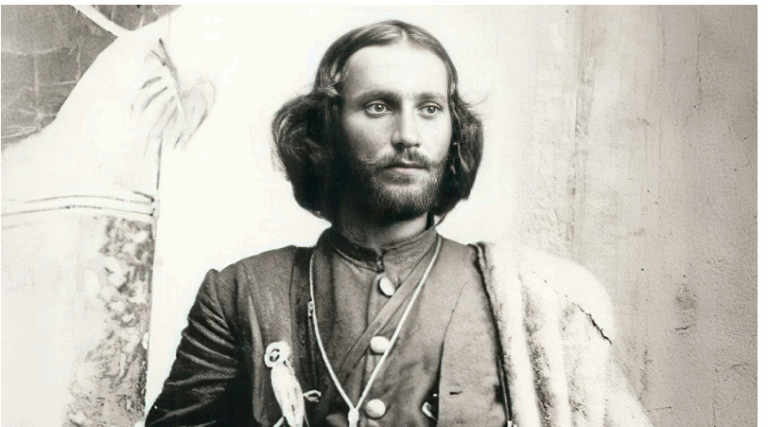
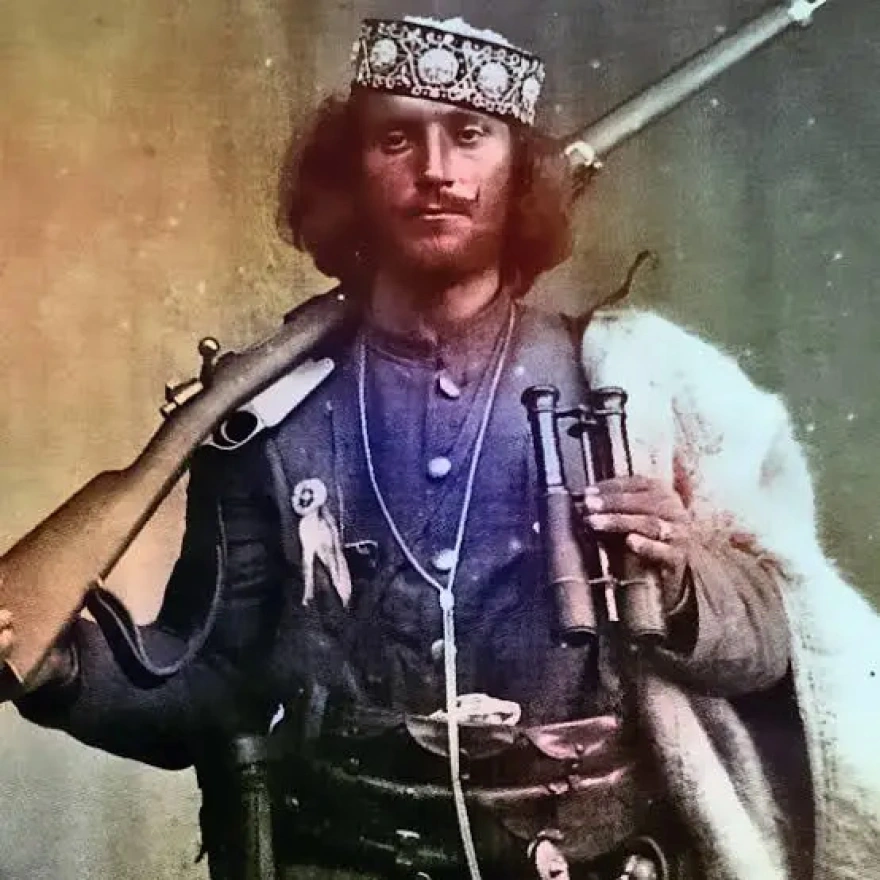
The little-known history of a prominent Albanian figure, Çerçiz Topulli (1880–1915). He would not normally be a topic of interest if it weren’t for his fanatic anti-Greek stance, his crimes against Hellenism in Epirus—most notably the assassination of the Bishop of Korçë, Photios, in 1906—and his collaboration with Bulgarian komitadjis against Greeks in Macedonia. Beyond targeting Greeks, Topulli considered Serbs mortal enemies as well. He was ultimately captured and executed by Montenegrins in 1915. While Albanians regard Topulli as a national hero and the “Apostle of Albanism,” his actions were often closer to those of a bandit and gang leader than a purely nationalist figure.
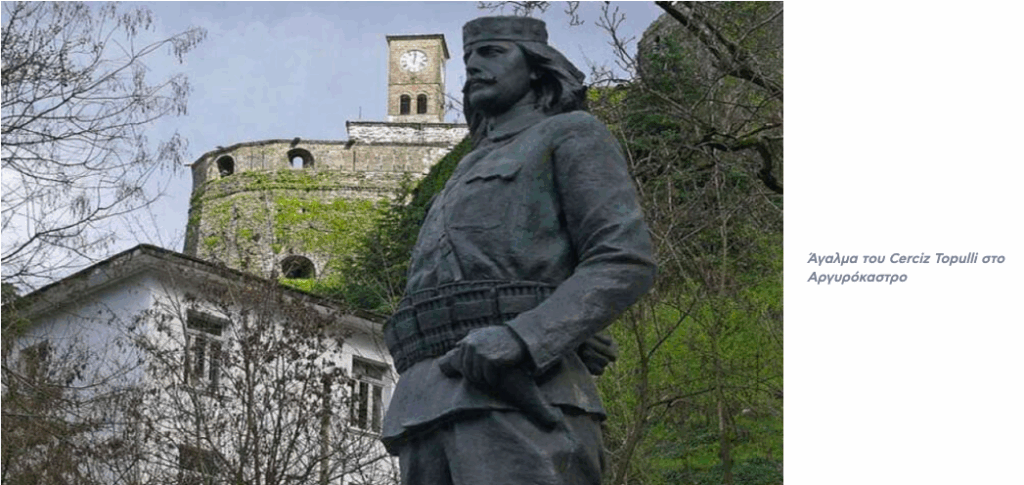
Who Was Çerçiz Topulli?
According to Wikipedia, Çerçiz Topulli was “an Albanian revolutionary and insurgent who participated in the Albanian national movement operating in the mountainous regions of southern Albania.” He was born on September 20, 1880, in Gjirokastër, to a prominent Albanian Bektashi family. His elder brother, Bajo Topulli (1868–1930), who served as director at the Ottoman Gymnasium in Monastir (today in North Macedonia), founded the Secret Committee for the Liberation of Albania in November 1905. Monastir was one of the key centers of Hellenism in Macedonia, though Albanians considered it part of Albania.
Crimes Against Greeks
Çerçiz Topulli, together with his brother Bajo, established the first Albanian armed insurgent group in early 1906, targeting Sultan Abdul Hamid II, Greeks, and Serbs. One of their first acts was the assassination of the Bishop of Korçë, Photios (Kalpides), on September 9, 1906, in the village of Brandvitsa. Bishop Photios had previously survived an assassination attempt in 1905 near Pliasa. The pretext for his murder was a claim that he had ordered the execution of Albanian priest Petro Nini Luarasi, who celebrated the Divine Liturgy in Albanian.
Historians note, however, that this explanation was merely a pretext; the Topulli band targeted Greek clergy with significant patriotic influence.
Topulli’s Band and Activities
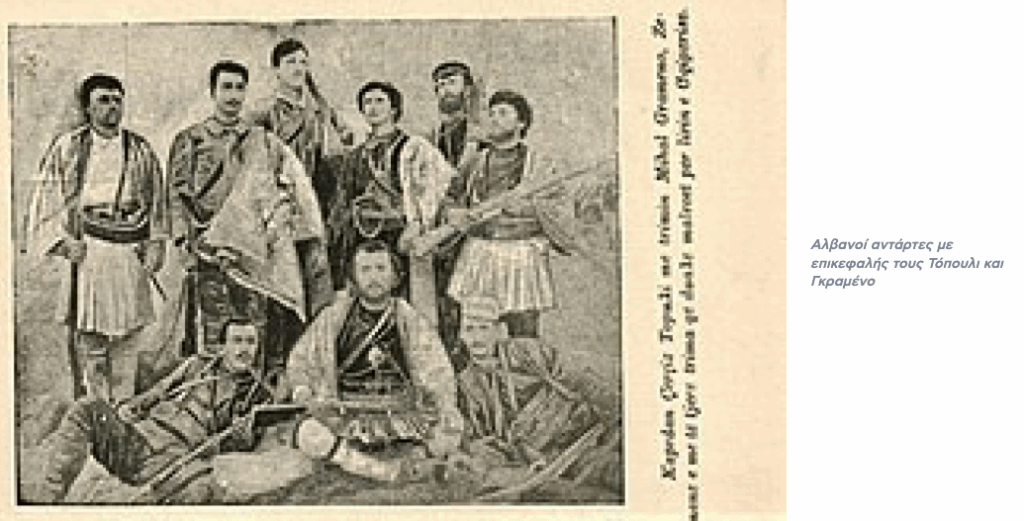
Topulli’s group received orders from the so-called “Albanian Committee” and included members like Mihal Grameno (of Greek origin), Aslan Stare, Zeman Maskulare, Abdil Mersini, Hito Lekndusi, Bayram Prongi, and Hairredin Tremisti. In 1906–1907, the Topulli brothers traveled to Bulgaria and Romania, while Çerçiz continued his insurgent activities, publishing a letter in 1907 asserting the importance of fighting for Albania’s freedom.
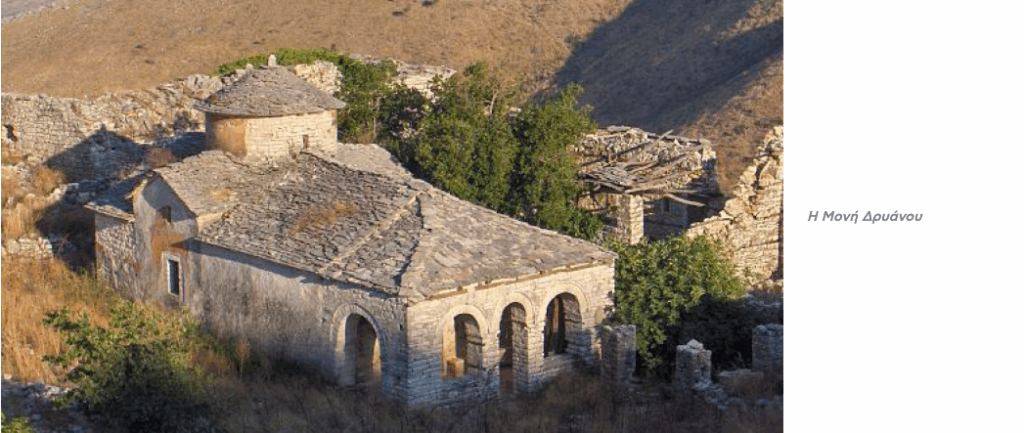
In 1908, Topulli’s group killed the gendarmerie commander of Gjirokastër and later successfully fought off Ottoman forces at Mashkullore. Although he initially collaborated with the Young Turks, he later distanced himself, asserting that Albanians should not shed blood for Turks.
The Death of Çerçiz Topulli
After the creation of the Albanian state on November 28, 1912, Topulli moved north to support efforts against Montenegrins. He was captured on June 28, 1915, escaped, and was recaptured on July 7. He was killed by Montenegrins near Shkodër on July 15 or 17, 1915.
Other Anti-Greek Actions
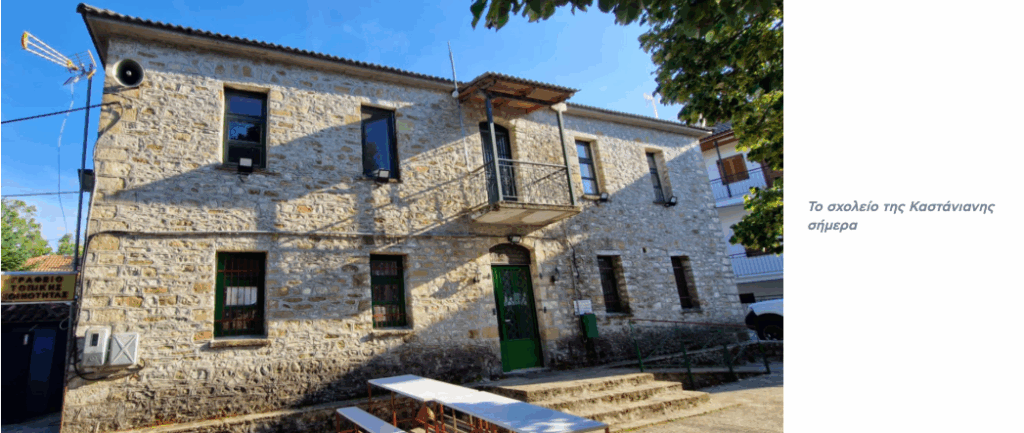
Topulli and his band committed multiple crimes against Greeks, including the 1908 burning of the school in the village of Kastaniáni, Epirus. They also destroyed homes, killed locals, and looted properties. Despite Albanian narratives portraying Topulli as a hero, these actions caused significant suffering for the local Greek population.
The school in Kastaniáni was eventually rebuilt, with financial support from Greek benefactor Vassilis Melas and the community, and continues to stand today.
This is the largely unknown story of an Albanian bandit considered a hero by his countrymen, but whose actions reveal a history of violence and hatred against Greeks.
Ask me anything
Explore related questions




