





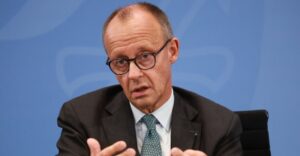
The German government has reportedly changed its stance on the use of frozen Russian assets for the benefit of Ukraine, according to Bloomberg.
Right now, European governments and their allies in the G7 are looking for ways to further utilize the frozen assets to generate additional revenue to support Ukraine’s defense in the midst of the war with Russia.
The vast majority of these approximately $300 billion in frozen assets of Moscow are located in Europe.
Earlier this month, European Commission President Ursula von der Leyen said in a speech that the European Union must find new ways to make Russia pay for its war.
According to sources, Germany, which has traditionally been wary of protecting Europe’s financial center and respecting the immunity of states, has become a strong advocate of extracting maximum profits from these funds.
The change in Berlin’s stance comes amid concerns that if US support for Ukraine declines under Donald Trump‘s presidency, then that support will fall on the backs of Europe’s largest economy, which could further boost the rise of far-right forces in Germany.
It should be noted that such a step would not lead to the complete confiscation of Russian assets, something the US and some Eastern European countries continue to support.
The EU, G7 countries, and Australia froze Russia’s central bank assets after Moscow invaded Ukraine, and last year, the allies agreed to direct the profits from the income from those assets to aid Ukraine.
The issue is expected to be raised by some EU finance ministers at a meeting in Copenhagen this week and among EU leaders in October.
Ask me anything
Explore related questions




