

A new programmatic agreement has been signed between the Ministry of Culture, the Ministry of Environment and Energy, the National and Kapodistrian University of Athens, the National Hellenic Research Foundation, and the Natural Environment and Climate Change Agency (OFYPEKA) for the implementation of the research project “Biodiversity in Archaeological Sites – BIAS II.”
The aim of the agreement is to protect biodiversity while also showcasing Greece’s cultural heritage. It follows the successful “BIAS I” project, which highlighted the role of archaeological sites in biodiversity preservation, recording more than 10,460 species of flora and fauna in 20 iconic sites, many of which are part of the UNESCO World Heritage list or the Natura 2000 network.
BIAS II expands this globally innovative approach to 35 archaeological sites across Greece. It combines ecological field research with the study of historical, archaeological, and literary sources to explore how biodiversity has evolved over time and its deep connection with human society.
The scientific character of the project is based on interdisciplinary research, drawing from biology, archaeology, history, and environmental studies, and using a wide range of sources from ancient texts and inscriptions to archaeological data. The goal is to map the dynamic relationship between the natural environment, climate, micro-ecosystems, and human activity.
This approach is expected to generate new scientific insights and become a valuable tool for the preservation and promotion of both cultural and natural heritage. It will also enhance visitor experience at archaeological sites and support local communities through sustainable environmental management.
The project will be implemented by the Department of Biology at the University of Athens and the Institute of Historical Research of the National Hellenic Research Foundation, with the support of the participating ministries and OFYPEKA.
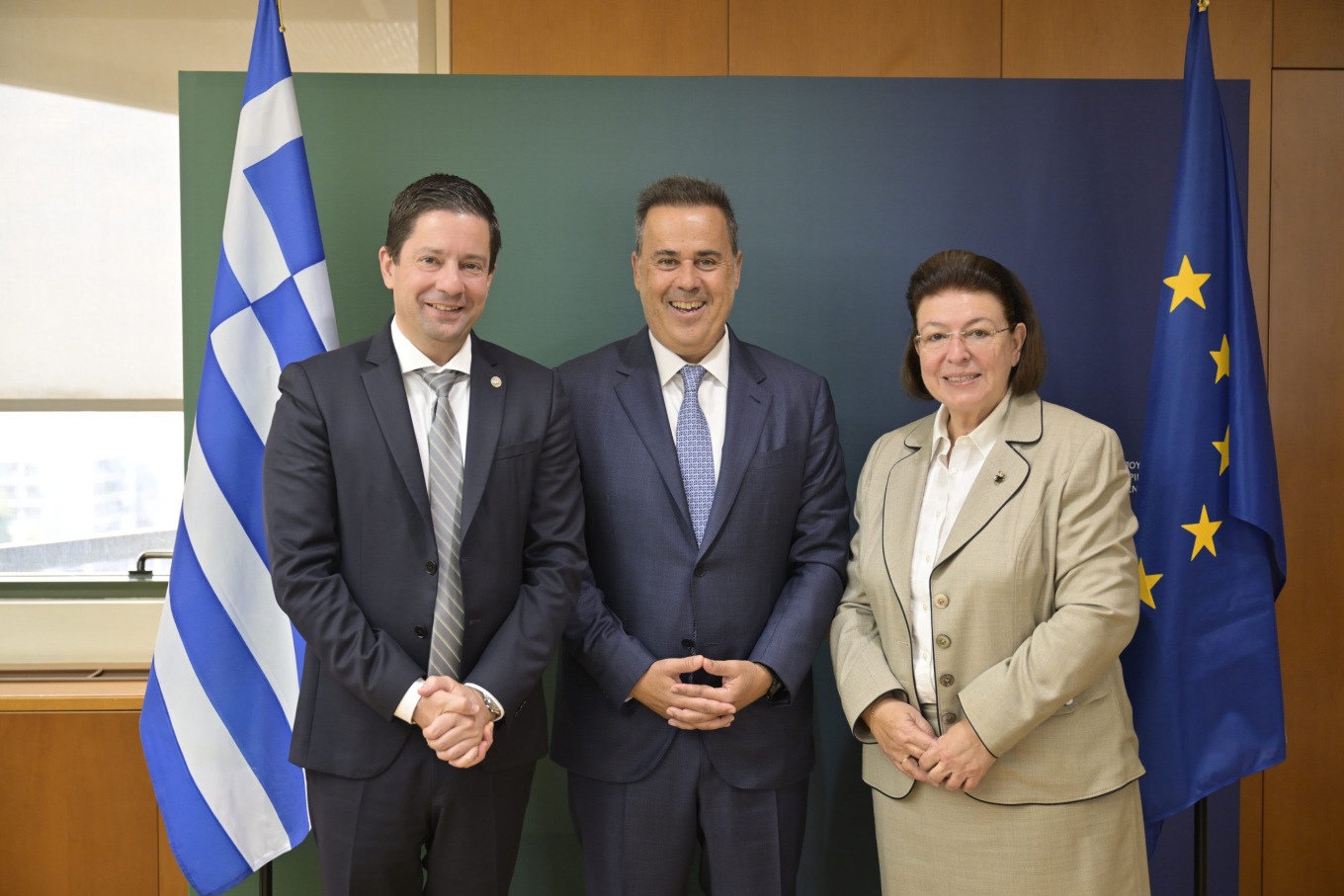
In a statement, the Rector of the University of Athens, Professor Gerasimos Siasos, emphasized the significance of the initiative, noting that it demonstrates how monuments and their natural environment form a unified and living ecosystem. He underlined the university’s commitment to producing new knowledge, supporting sustainable environmental practices, and sharing results with society.
Ask me anything
Explore related questions