





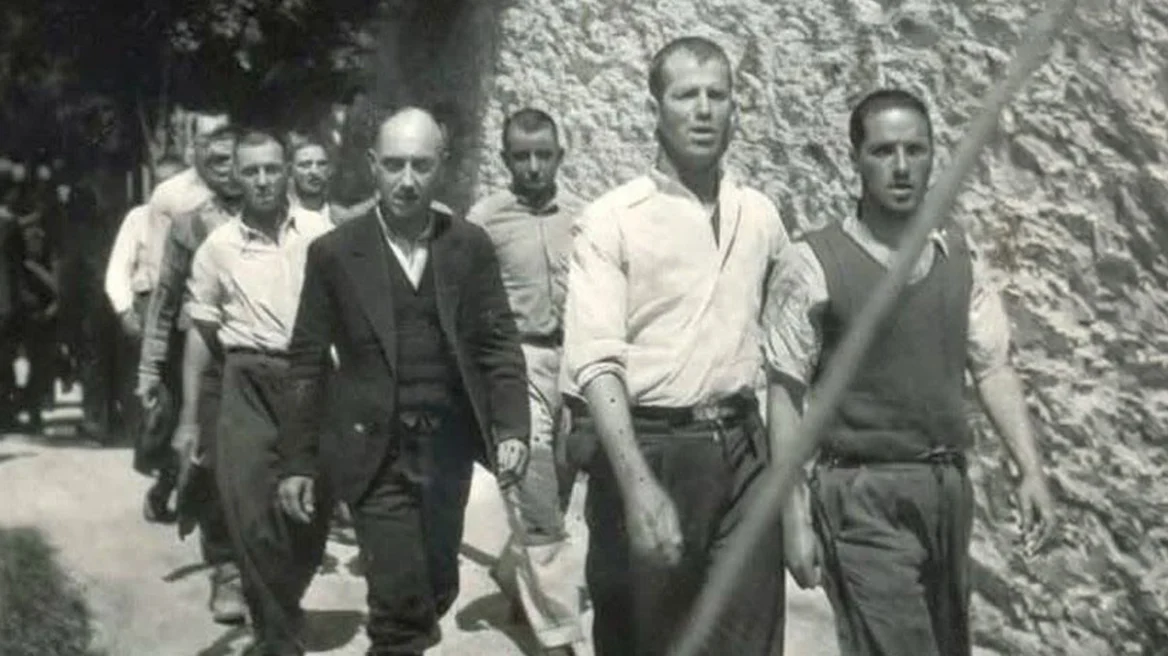
A preliminary agreement has been signed between the Ministry of Culture and the collector for the acquisition of the photographic collection depicting the tragic moments before the mass execution of Greeks in Kaisariani by the Nazis.
According to a statement by the Minister of Culture, Lina Mendoni, the collection was immediately withdrawn from the online auction site, and the photographic material was confirmed to be authentic.
The ministry’s delegation examined the entire collection, which consists of 262 photographs taken in Greece during 1943–1944, as well as printed documents. A detailed inspection by Ministry of Culture officials and independent experts confirmed the authenticity of the material, paving the way for its final acquisition by the Greek side.
Full statement from the Minister of Culture, Lina Mendoni:
“Today, at the Town Hall of Evergem, the delegation of the Ministry of Culture met with the collector Tim De Crane. The delegation examined the entire Hoyer collection, which consists of 262 photographs taken in Greece during his service in 1943–1944, along with some printed materials he had included. The detailed examination by experienced Ministry of Culture officials and independent experts confirmed the authenticity of the material. A preliminary agreement was signed between the Ministry of Culture and the collector, and the collection was withdrawn from the online auction site.”
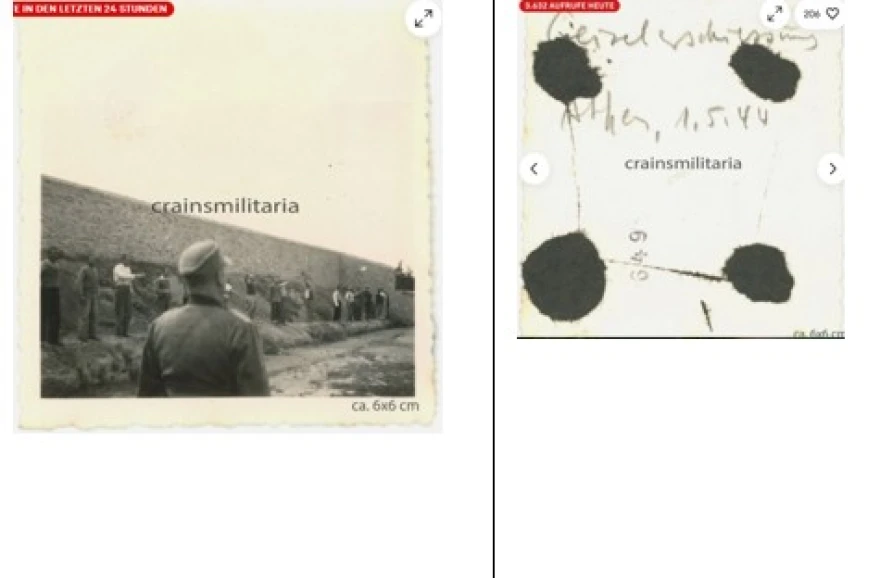
The authenticity of the Kaisariani photographs, in any case, was considered almost certain, as the back of each bears the word Athens in German and the date 1.5.1944. For this reason, and following the positive opinion of the Central Council of Modern Monuments, the Ministry of Culture moved quickly the day before yesterday to declare the entire collection a protected monument due to its exceptional historical value as evidence of how perceptions and attitudes were shaped through images by the propaganda mechanisms of the Occupation forces in Greece during World War II.
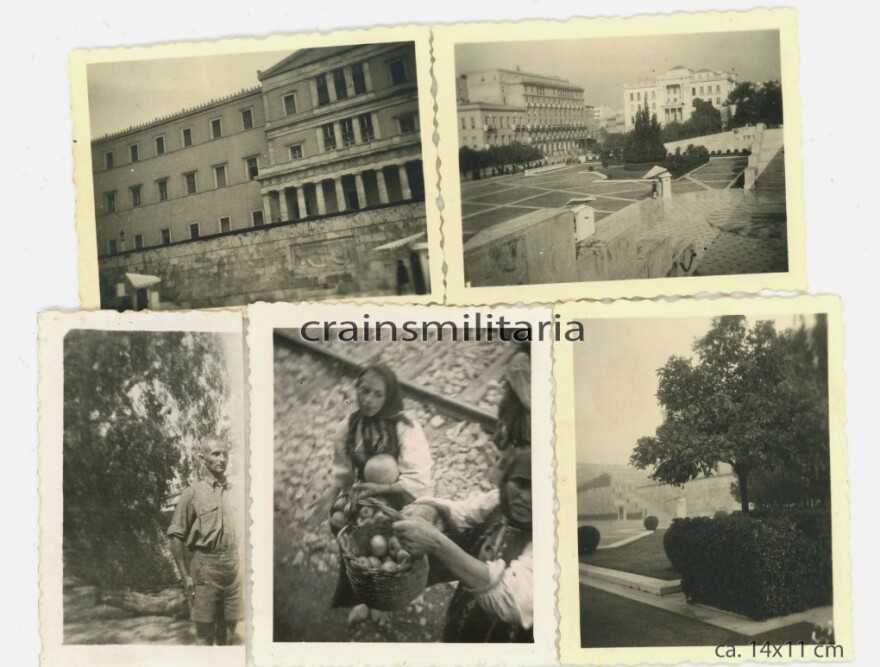
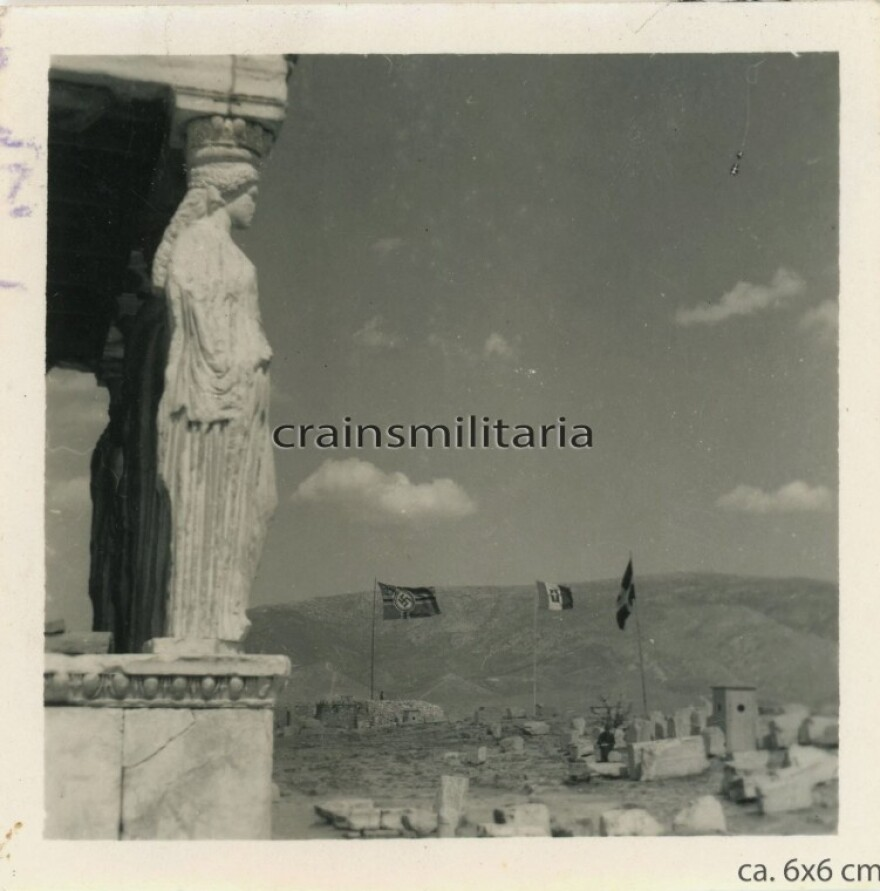
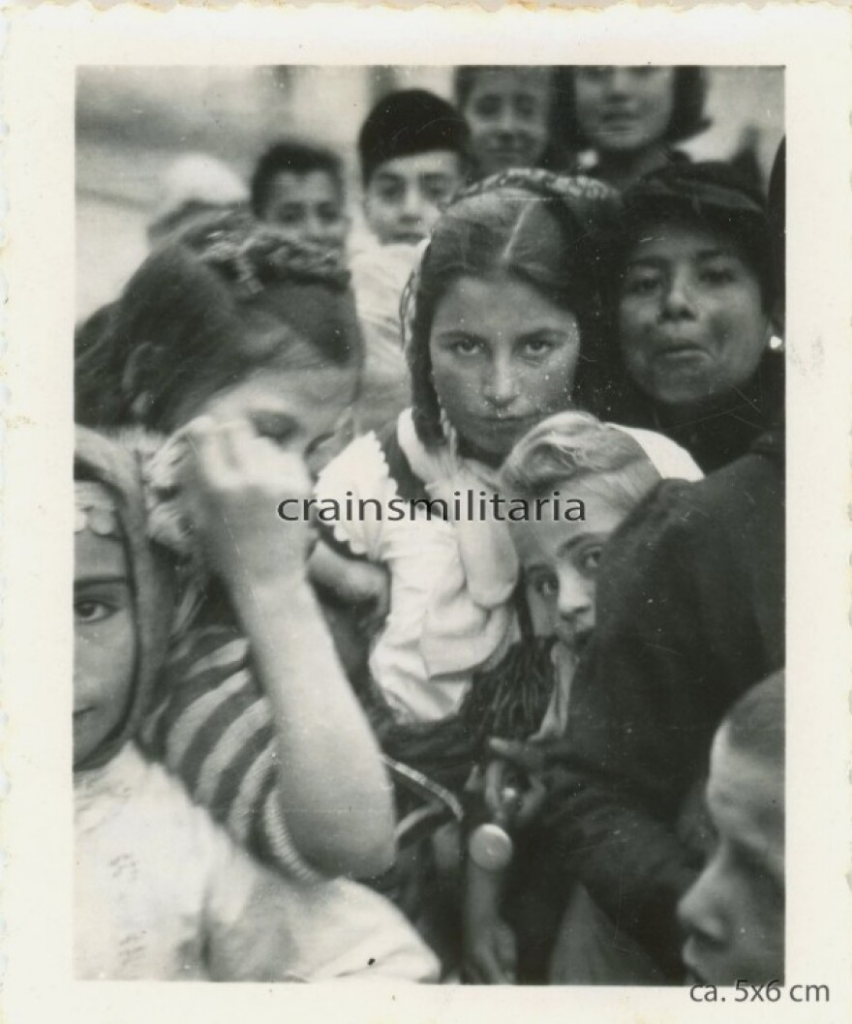
The collection includes numerous photographs of popular Greek monuments, such as the Acropolis and the Panathenaic Stadium, occupied by German soldiers; Greeks in traditional dress; prisoners in camps; destitute beggars of the Occupation; and small children with fear written in their eyes. These are all part of the collection of German Wehrmacht Second Lieutenant Hermann Hoyer, which has been placed for online auction by the collector Tim De Crane.
Monuments, Camps, and Tradition
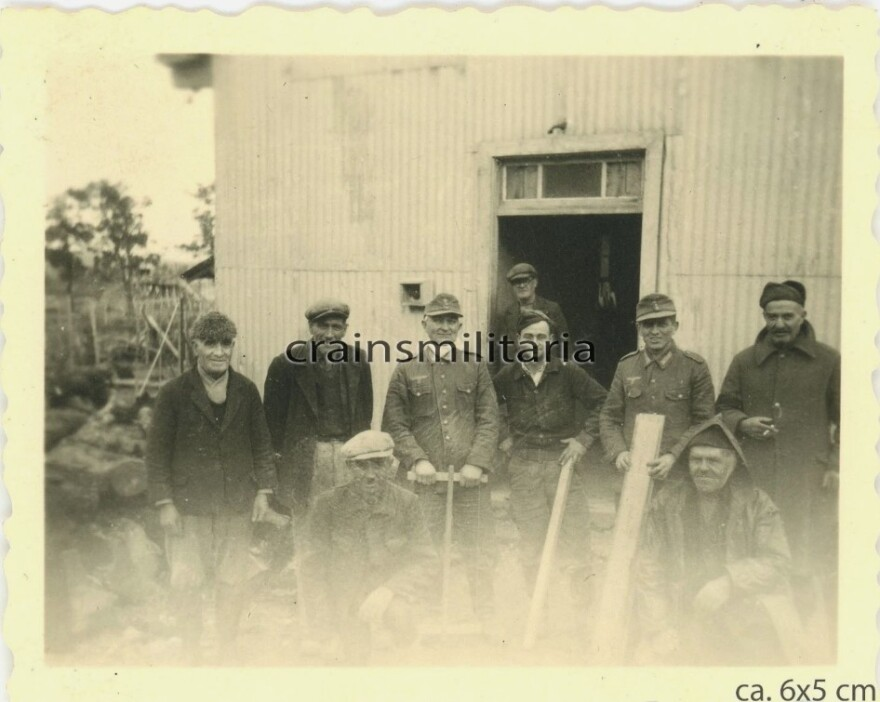
Beyond the historically invaluable Kaisariani photographs, the rest of the collection—some of which are presented today by protothema.gr—directly relates to the life and actions of Second Lieutenant Hermann Hoyer, who served at the Malakasa camp in 1943–1944 and had been ordered to monitor or even assist in the execution of 200 Greek prisoners transferred from the Haidari camp to the Kaisariani Shooting Range on May 1, 1944.
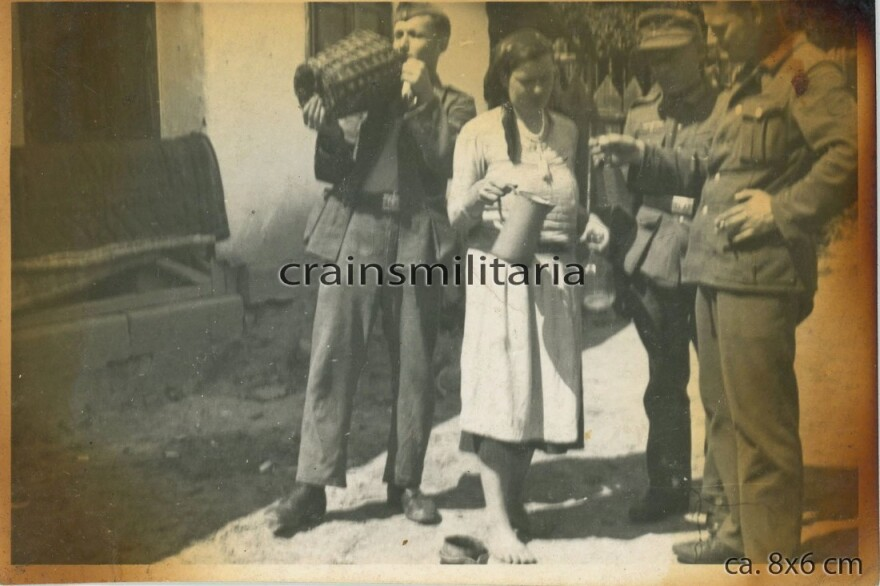
The collection contains numerous photos taken at this camp and surrounding areas, showing German soldiers, Greek prisoners, and local inhabitants undergoing thorough inspections.
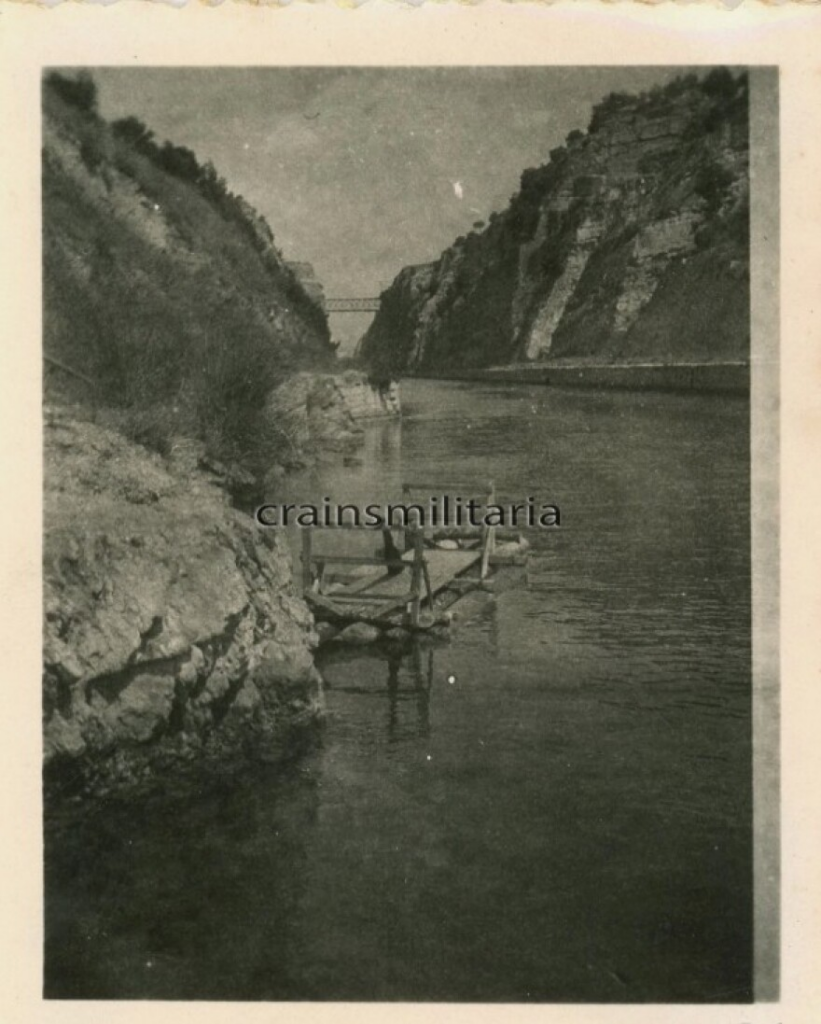
A large number of photographs were also taken in Corinth, specifically at the Isthmus, which served as a key German stronghold aiming to cut off Allied forces from the Peloponnese.
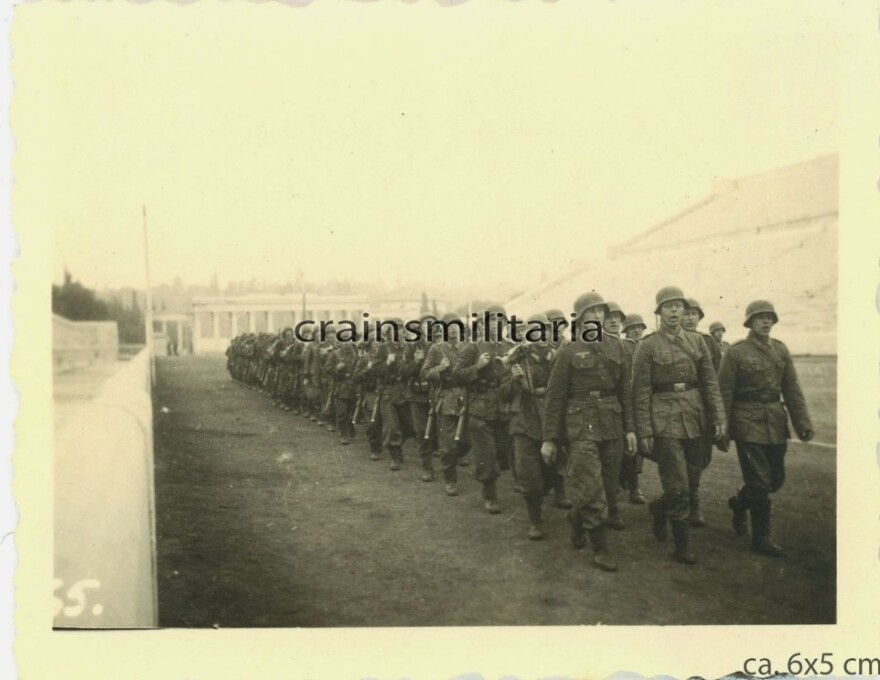
Several images depict German troops within prominent Greek monuments, such as the Acropolis and the Panathenaic Stadium, using these landmarks as backdrops to demonstrate German domination.
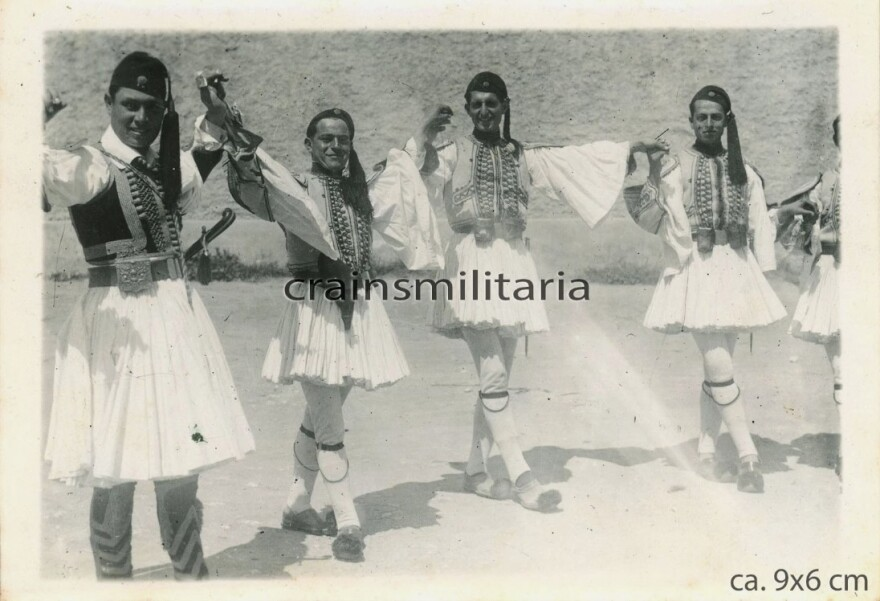
The collection also includes typical images of German propaganda: conquered Greeks in traditional clothing and staged “spontaneous” moments of everyday life, mainly women and children. These were the orders of Joseph Goebbels, who placed the art of photography at the service of the Nazi Party’s aggressive propaganda, requiring German soldiers to always carry a camera and capture only aesthetically pleasing images of the occupied countries, which were then published throughout Europe.
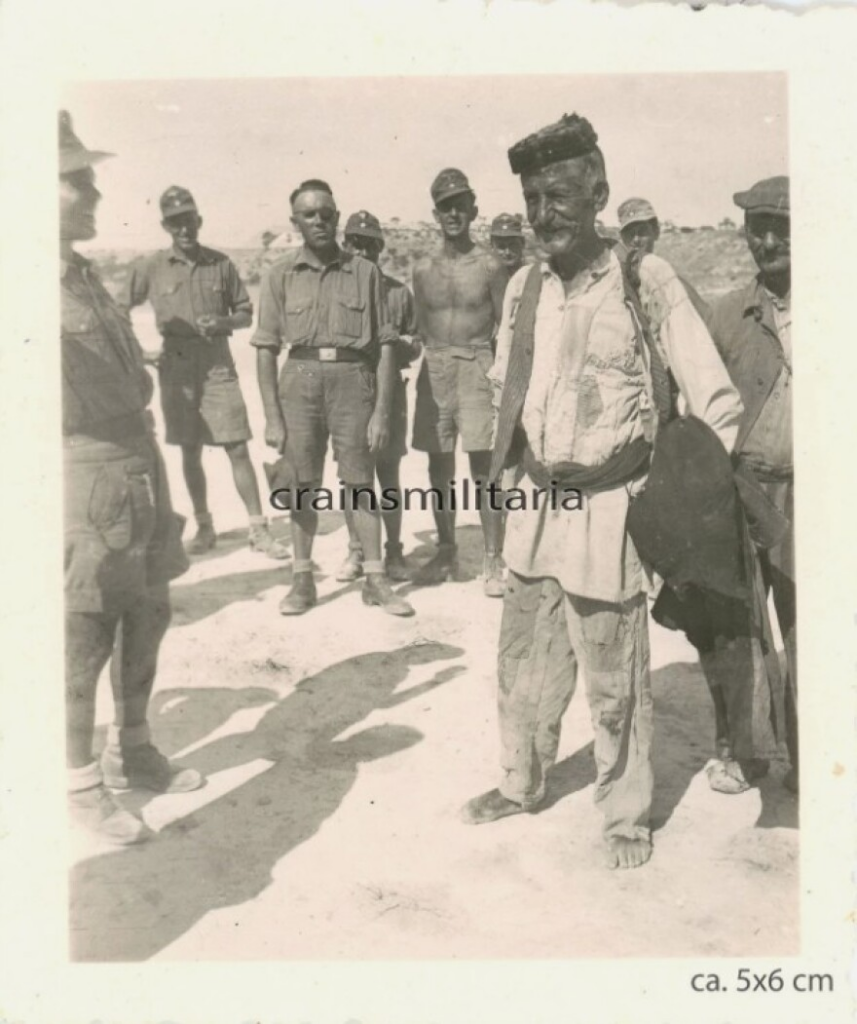
Nevertheless, the desperate eyes of hungry children and ragged beggars, and the staged smiles of girls in traditional Greek costumes, reveal the manipulative propaganda tactics of the German occupiers.
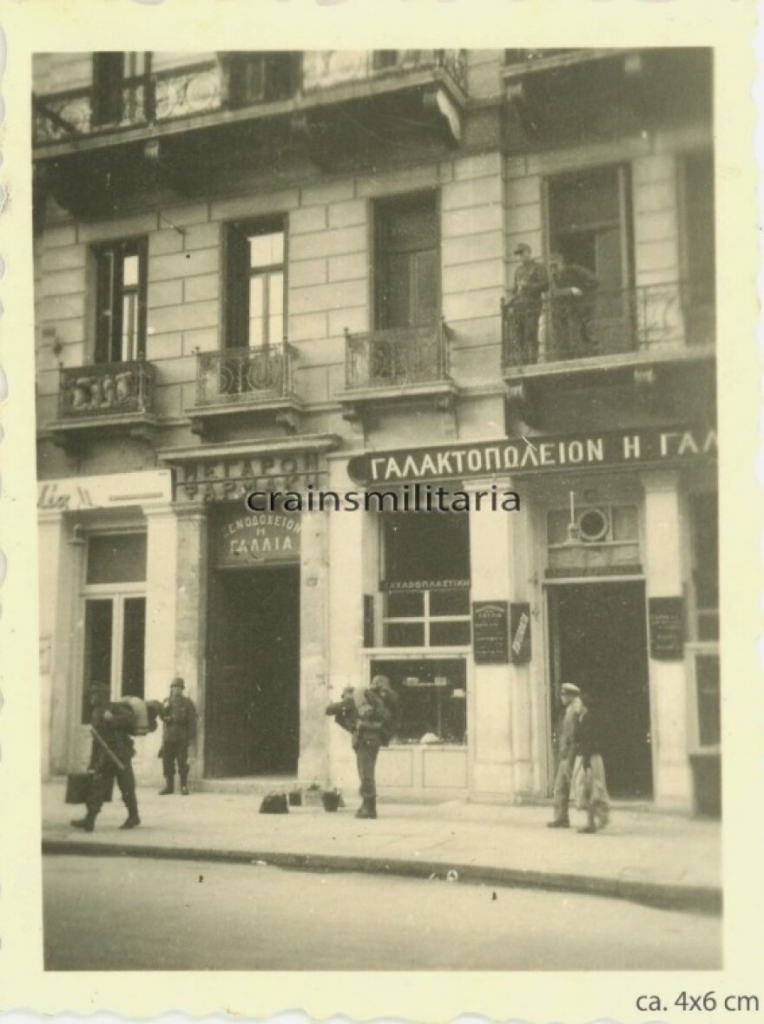
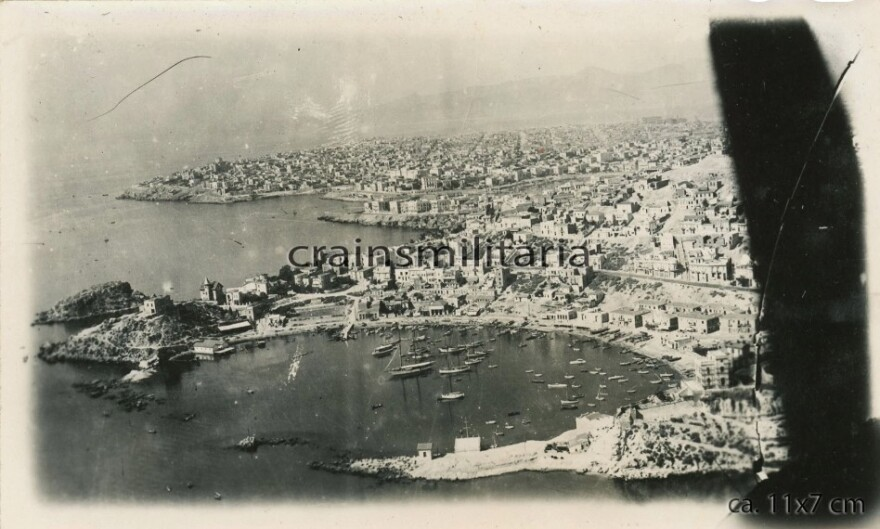
Among the collection are numerous photographs from various Greek cities, primarily Athens, Thessaloniki, and Piraeus, including landmarks such as the Hotel “Gallia” in Athens (1944) and aerial views of the port of Piraeus (1943).
Ask me anything
Explore related questions




