In the International Maritime Organization (IMO), tensions are not common. However, the recent meeting on the new NET ZERO Framework – the ambitious plan to achieve zero gas emissions in shipping – turned into one of the most tense in the organisation’s history. The plan, which also had the backing of the EU, provided for strict timetables, a heavy financial footprint, and penalties for ships that do not use alternative fuels without them.
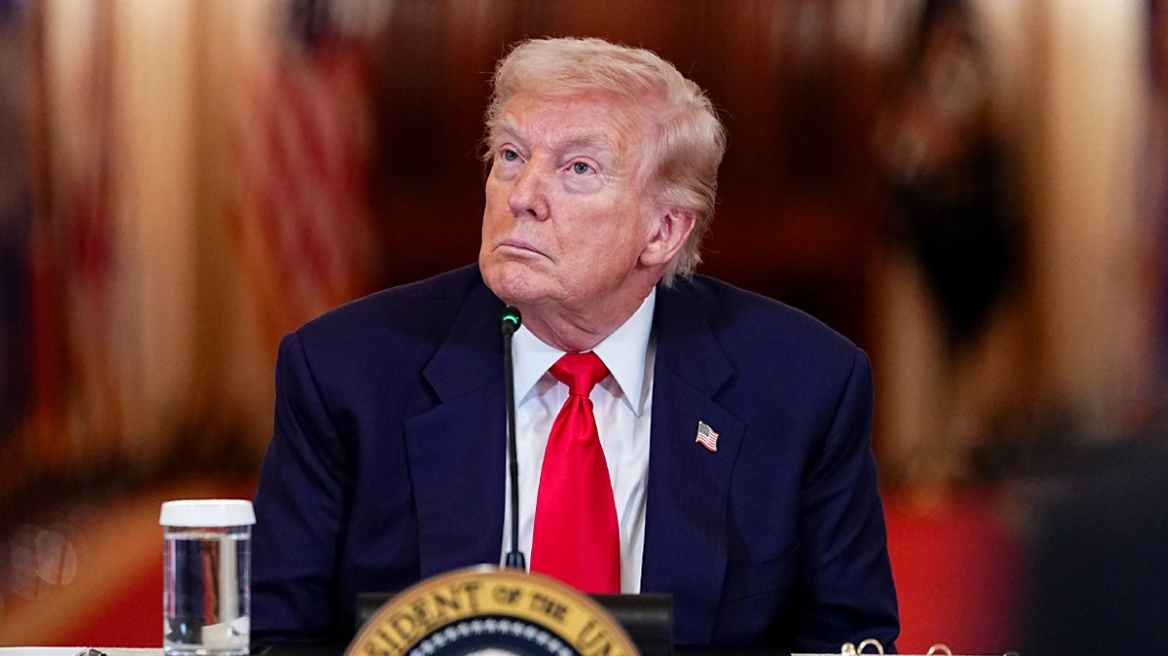
The United States, from the outset, stood against the IMO, with Donald Trump openly stating that he considered the framework to be anti-developmental and colonial in nature, as it would, in effect, impose a tax on ships with no fuel available on the market. Washington, which has huge shale gas (LNG) production and sees it as a key lever in its energy diplomacy, had every reason to react.
In this environment, Greece’s decision to abstain from the vote – along with Cyprus, while Malta eventually withdrew from the trio – was not just a technical divergence from the EU line; it was a carefully considered choice with a geopolitical and economic dimension.
The backstage, according to reliable reports, culminated last Tuesday morning at the Maximos Mansion, where a wide-ranging meeting was held with the participation of Prime Minister Kyriakos Mitsotakis, the Minister of Shipping and Insular Policy Vassilis Kikilias and the Chief of the Coast Guard, Vice Admiral Tryphon Kontizas. Vassilis Kikilias, who had already held contacts with high-ranking American officials in Washington and a meeting with the Secretary General of IMO, Arsenio Rodriguez, conveyed to Maximou the assessment that the promotion of the framework would create imbalances in global shipping and serious consequences for international trade and Greek geopolitical interests.
Ask me anything
Explore related questions