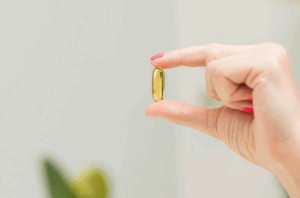
For decades, scientists have been searching for the elusive “fountain of youth” — the secret to not only aging gracefully but also more slowly. Now, a daily supplement costing less than €0.10 per day may be part of the answer. A pioneering clinical study published this week in the American Journal of Clinical Nutrition, conducted by Harvard University and Massachusetts General Hospital, found that people who took vitamin D3 daily for four years showed significantly slower signs of biological aging compared to those who received a placebo.
The trial involved 1,031 adults randomly divided into two groups: one received 2,000 IU of vitamin D3 daily, while the other took a placebo. When researchers compared their biological markers — especially DNA integrity — the results were striking: participants who took vitamin D3 had less DNA damage, indicating that their cells were aging more slowly.
A Vitamin with an Unexpected Superpower
Vitamin D3 has long been known for maintaining bone health, boosting immunity, and reducing inflammation. However, this new research suggests its benefits may run much deeper — all the way down to our DNA. One key marker measured in the study was telomere length — the tiny protective caps at the ends of chromosomes that naturally shorten as we age. Shorter telomeres are linked to age-related diseases such as heart disease and dementia.
Participants taking vitamin D3 maintained longer telomeres and showed fewer DNA breaks — both signs of a slower biological clock. “Vitamin D appears to have more properties than we previously thought,” the study authors noted. “By reducing oxidative stress and inflammation at the cellular level, it may directly influence the aging process.”
Sunshine in a Capsule
Often called the “sunshine vitamin,” vitamin D is naturally produced by the skin when exposed to sunlight. However, there’s a paradox here: despite Greece’s sunny skies, vitamin D deficiency remains surprisingly common — especially among those who spend most of their time indoors.
According to a study published by the Medical Society of Western Greece and the Peloponnese, 73% of a Greek sample had insufficient levels of vitamin D, while another study found that more than two-thirds of the population had very low levels. Globally, health organizations estimate that over one billion people have inadequate vitamin D levels. This deficiency is linked not only to weak bones and muscle pain but also to depression, weakened immunity, and even premature aging.
Experts explain that the idea of vitamin D slowing aging makes sense, as it acts like a hormone in the body, influencing hundreds of genes. By restoring optimal levels, we essentially give our cells the tools to repair themselves.
Cheap, Simple, and Accessible
Perhaps the most exciting aspect of this research is its simplicity. Unlike expensive anti-aging treatments or complex gene therapies, vitamin D3 is affordable, safe, and widely available. A regimen of 2,000 IU per day costs around €10 every two months.
While researchers caution that vitamin D3 isn’t a miracle pill, its accessibility makes it a promising tool in the fight against aging. The findings may also encourage doctors to monitor vitamin D levels more closely during routine checkups, especially in older adults.
“Our findings suggest that targeted vitamin D supplementation may be a promising strategy for addressing the biological aging process, although further research is needed,” said Haidong Zhu, lead author of the study and molecular geneticist at the Medical College of Georgia, Augusta University.
What’s Next for Aging Science?
This study is likely just the beginning. Researchers now plan to investigate whether higher doses or longer supplementation periods could have even more significant effects on DNA stability and longevity. If confirmed, vitamin D3 could become one of the first scientifically validated, low-cost tools to slow the body’s biological aging — a discovery with major implications for public health and longevity research.
However, experts urge caution: aging is a complex, multifactorial process. While vitamin D may play a protective role, it doesn’t replace a balanced lifestyle. Regular exercise, a nutrient-rich diet, quality sleep, and stress management remain the foundations of healthy aging.
One Capsule at a Time
It’s rare for science to bring such hopeful news that fits seamlessly into everyday life. But this study does just that: a simple capsule, taken daily, could mean a longer, healthier life. It’s not the fountain of immortality — but if €0.10 a day can help our bodies stay younger, stronger, and more resilient, it may well be modern medicine’s best bargain.
Ask me anything
Explore related questions