The International Olympic Committee appears to be closer to implementing a ban on the participation of trans athletes in the upcoming Olympic Games, which will take place in Los Angeles in 2028.
As the Guardian reports, information suggests that the ban will come into force within the next year, with the new IOC President, Kirsty Coventry, making it clear that she wants to keep her pre-election pledge to protect the women’s category.
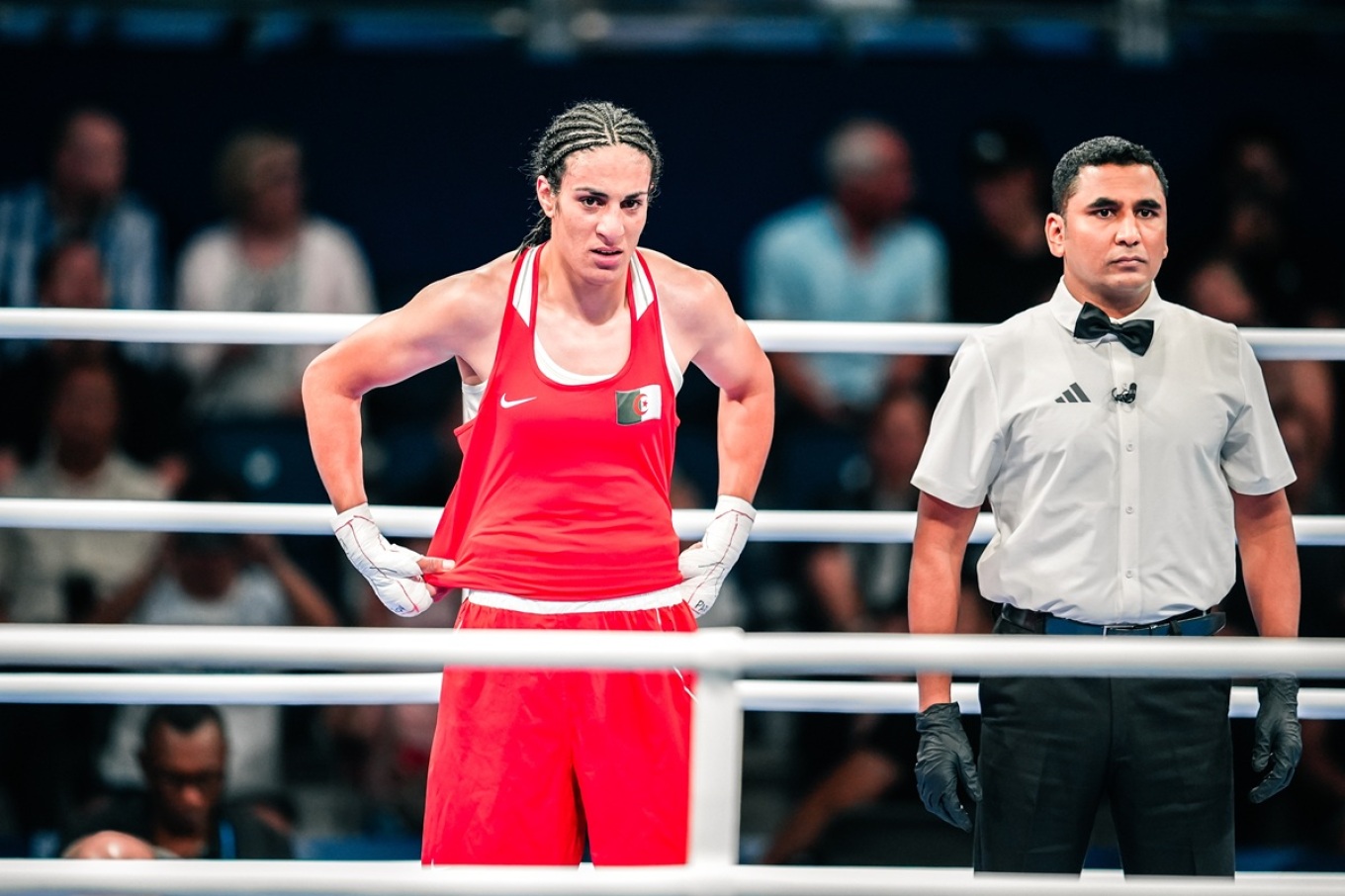
For its part, the Daily Mail notes that it has not been clarified what will happen with athletes who have male chromosomes but grew up as women, while it is noted that the cases of Iman Khelif and Lin Yu-ting, who won gold medals at the 2024 Paris Olympics in boxing while already excluded by the International Boxing Federation, caused massive controversy.
According to the report, this decision would help avoid a possible clash with the US President, Donald Trump, since last February he signed an executive order preventing trans women from competing in women’s categories.
The IOC, however, continues to face some internal reactions concerning the ban of athletes with DSD (Differences of Sex Development), who were registered as female at birth but have male chromosomes and male testosterone levels. Such athletes, including London 2012 and Rio 2016 Olympic gold medalist Caster Semenya, have already been excluded from the women’s category by World Athletics. FIFA, the governing body of football, allows DSD athletes to compete in women’s football.
However, the majority of those involved expect that Coventry’s election pledge will mean that any athlete who passed puberty as a male will be excluded from the women’s category. Speculation that the IOC would introduce this new policy as early as January 2026 intensified on Monday, after it was reported that the Director of Health, Medicine and Science, Dr. Jane Thornton, had given a scientific assessment of the evidence to members last week, showing that there are permanent physical advantages to being born male.
Thornton, a former Canadian rower, also explained how certain sporting bodies, such as the International Olympic Committee, now use the SRY gene test to determine the biological sex of athletes, in what one source described as “a well-documented and calm presentation”.
The IOC, however, immediately denied that any decision had been taken. It is also understood that its working group on the issue continues its discussions and that summer 2026 is a more realistic timeframe for implementing the new decision.
In its related announcement, the IOC states, among other things, that IOC members are fully informed, while also emphasizing that “the competent working group continues its discussions on this matter and no decisions have been taken yet”.
However, according to the report, it has not yet been clarified whether the IOC will proceed with implementing the mandatory sex verification test already used by World Athletics, while it is likely that such a decision could also trigger reactions at a legal level.
Ask me anything
Explore related questions