





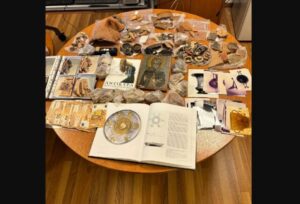
Europol, in coordination with Greek authorities, has dismantled an international art trafficking network. The operation was led by Bulgarian authorities with Europol support, and involved police and judicial authorities from Albania, France, Germany, Italy, the United Kingdom, and Greece. Operational actions were coordinated from centers in Sofia, Bulgaria, and at Eurojust. According to Europol, investigations are ongoing.
Watch video from the operation
How the Investigation Started
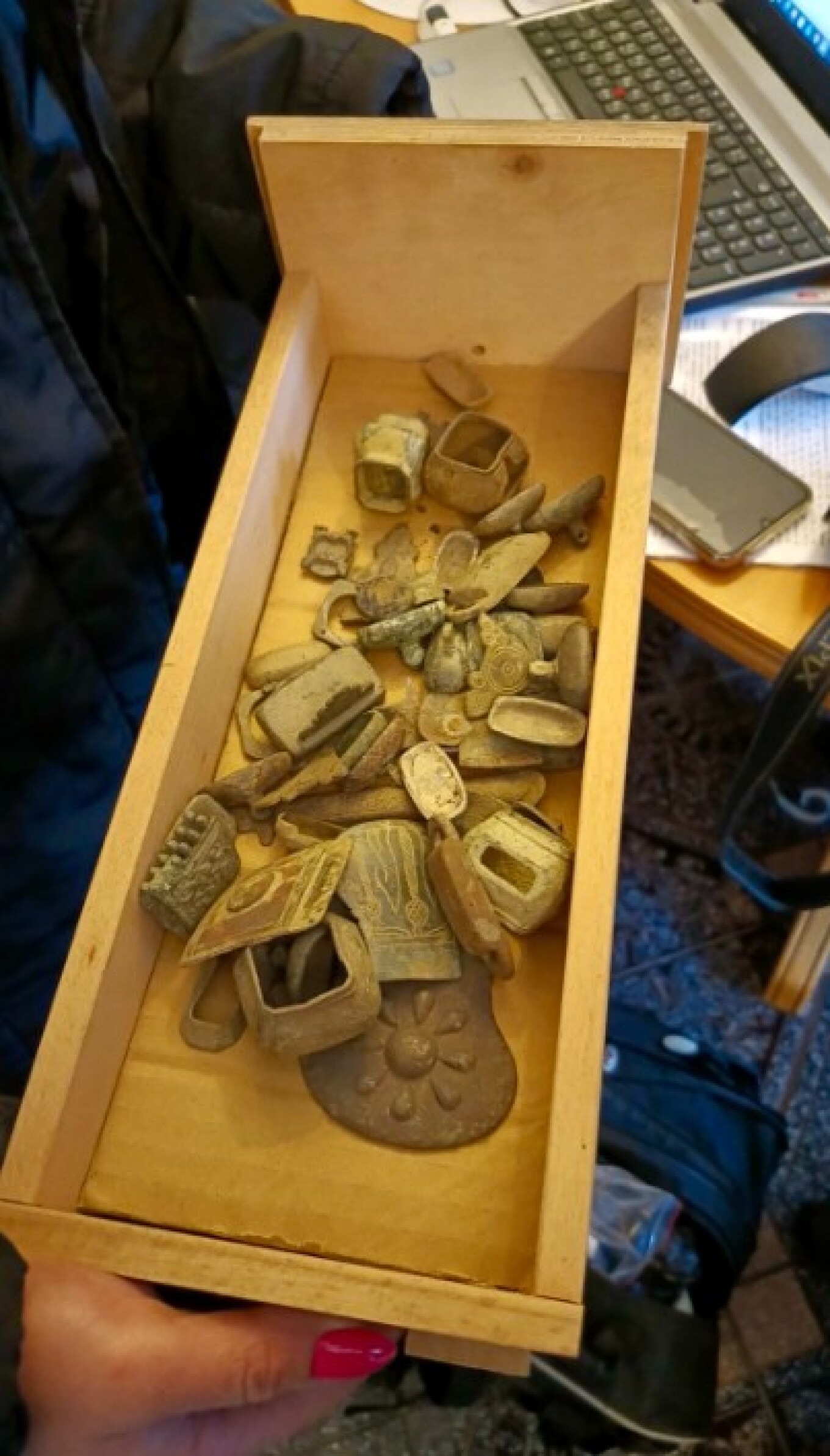
The investigation began after a raid on a house in Bulgaria in 2020, where authorities seized approximately 7,000 cultural objects of immense historical and economic value. These items—mainly Greco-Roman and Thracian antiquities—are extremely valuable due to their uniqueness and historical importance.
The lack of clear provenance for many of these items, noted by Bulgarian authorities at the time, raised suspicions of illegal acquisition. Following their seizure, the items are being held at the National History Museum of Bulgaria while further investigations continue.
Operation Results:
- 35 arrests in Bulgaria
- 131 searches of homes, vehicles, and safe deposit boxes (1 in Albania, 120 in Bulgaria, 3 in France, 3 in Germany, and 4 in Greece)
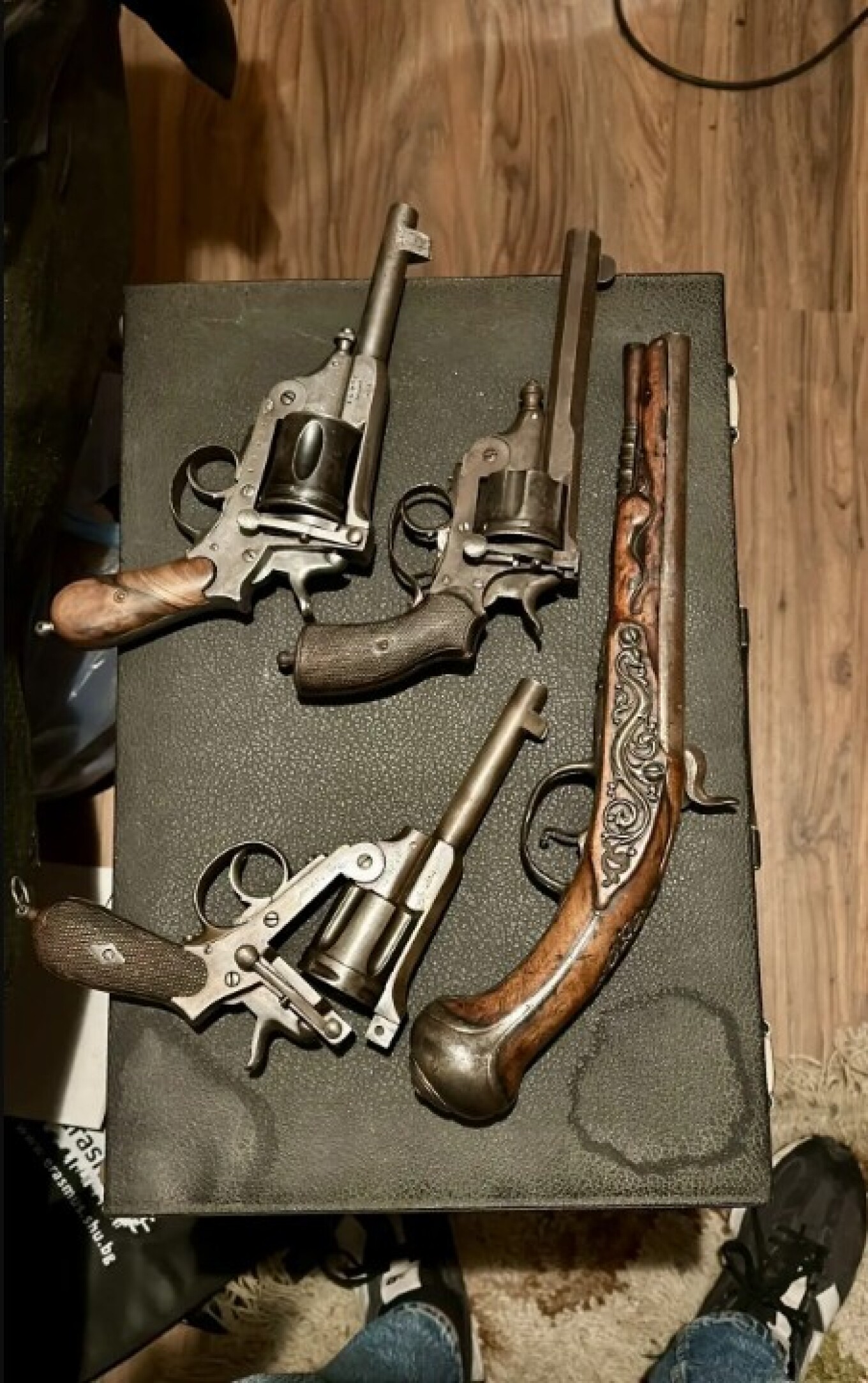
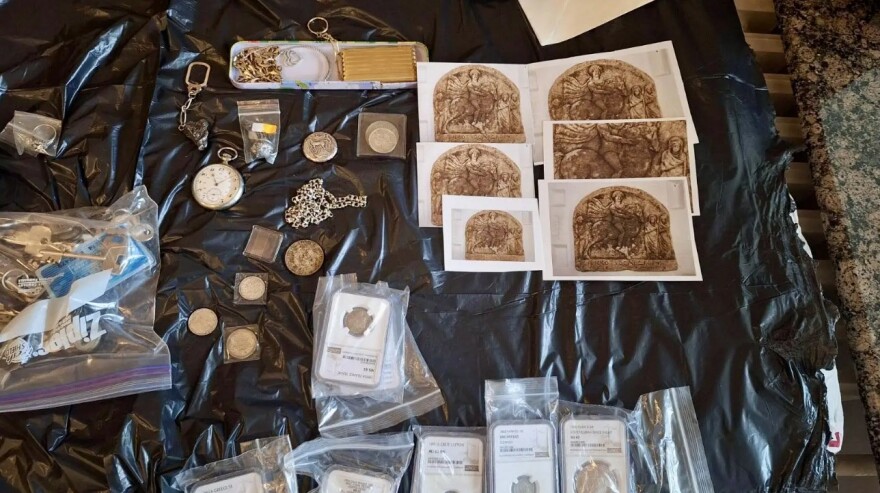
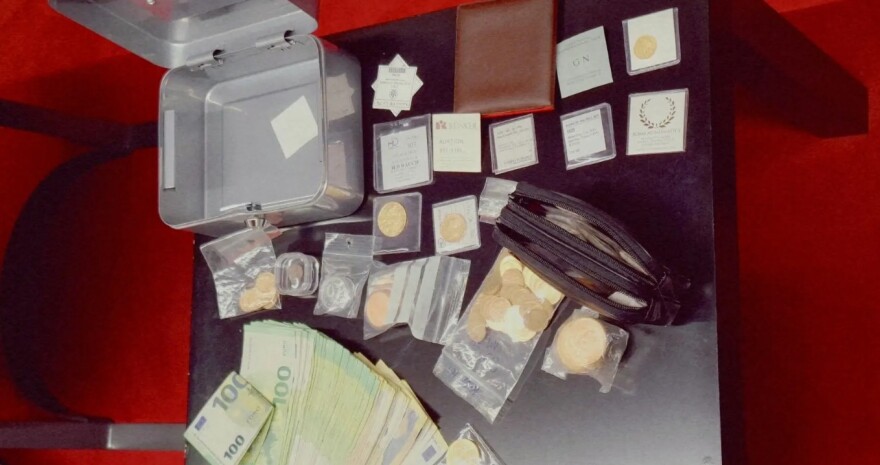
Among the seized items were over 3,000 antiquities (including gold and silver coins) valued at more than €100 million, as well as works of art, weapons, documents, electronic equipment, over €50,000 in cash, and investment gold.
Watch photos
Main Suspect
The main suspect is believed to have financed illegal excavations throughout Bulgaria and neighboring Balkan countries. Local looters reportedly worked for intermediaries acting on behalf of the main suspect.
The collection seized in 2020 included unique items, some dating back to 2000 BCE, such as masks, military equipment, jewelry, vases, and cups from Thracian and Greco-Roman cultures.
Most items lacked provenance documentation, and a few had questionable certificates issued by auction houses and galleries worldwide, mainly based in France, Germany, the UK, and the United States.
Arrest in Greece
As part of this operation, the Greek Police Department for the Combating of Human and Goods Trafficking (within the Organized Crime Division) arrested a Greek national who possessed ancient artifacts and religious icons.
According to the police announcement, the arrest was made under the execution of orders from investigative authorities and a European Investigation Order issued by Bulgarian prosecutors regarding Greek citizens’ involvement in a criminal organization engaged in the illegal trafficking of cultural heritage items, including antiquities and artworks, as well as money laundering.
In detail, in the early hours of November 19, 2025, an international police operation took place simultaneously in Greece and other European countries. Searches included homes, vehicles, bank accounts, and assets.
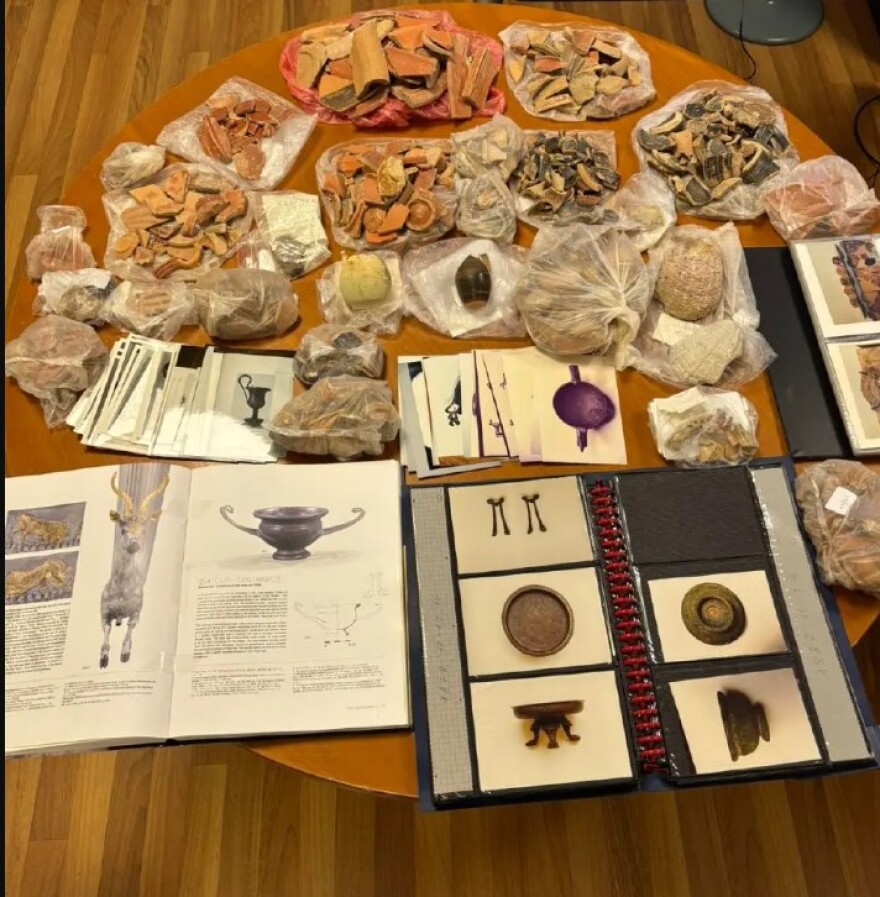
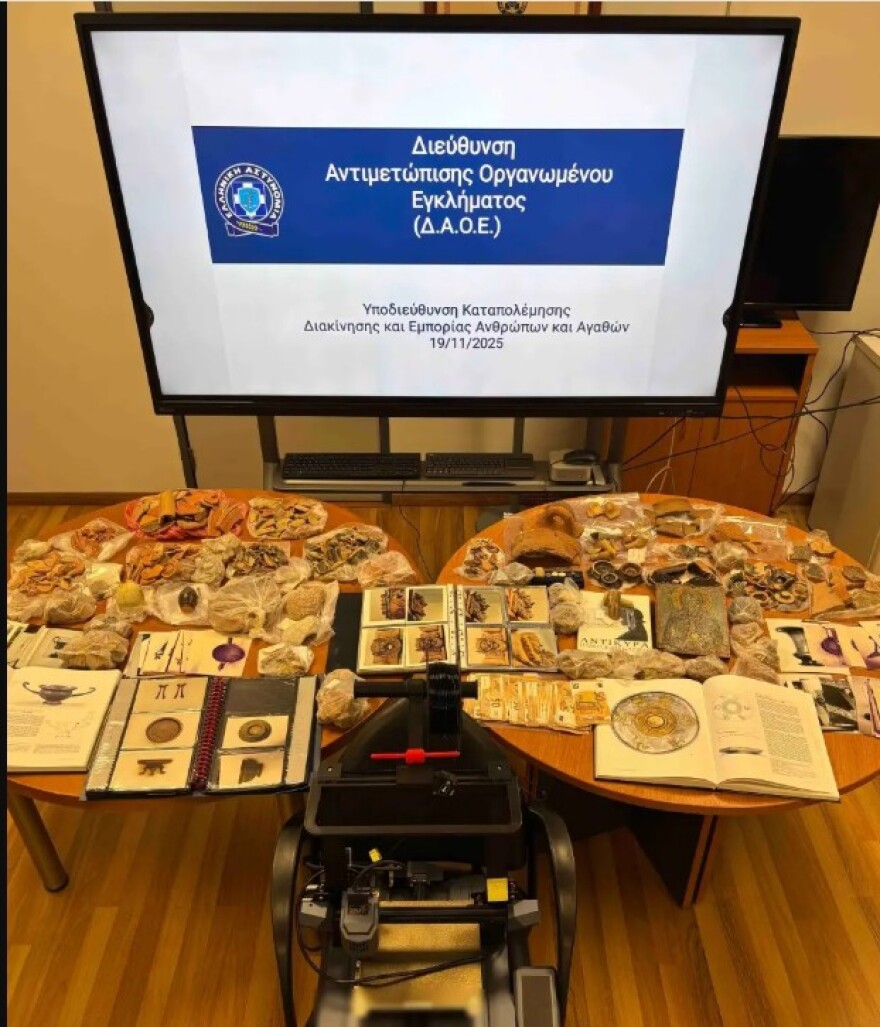
During coordinated searches at homes in central Athens, Saronida (Attica), Malesina (Fthiotida), and an area in Halkidiki, in the presence of judicial officers, archaeologists, and a team from the Forensic Directorate, the following items were seized from the suspect’s residence:
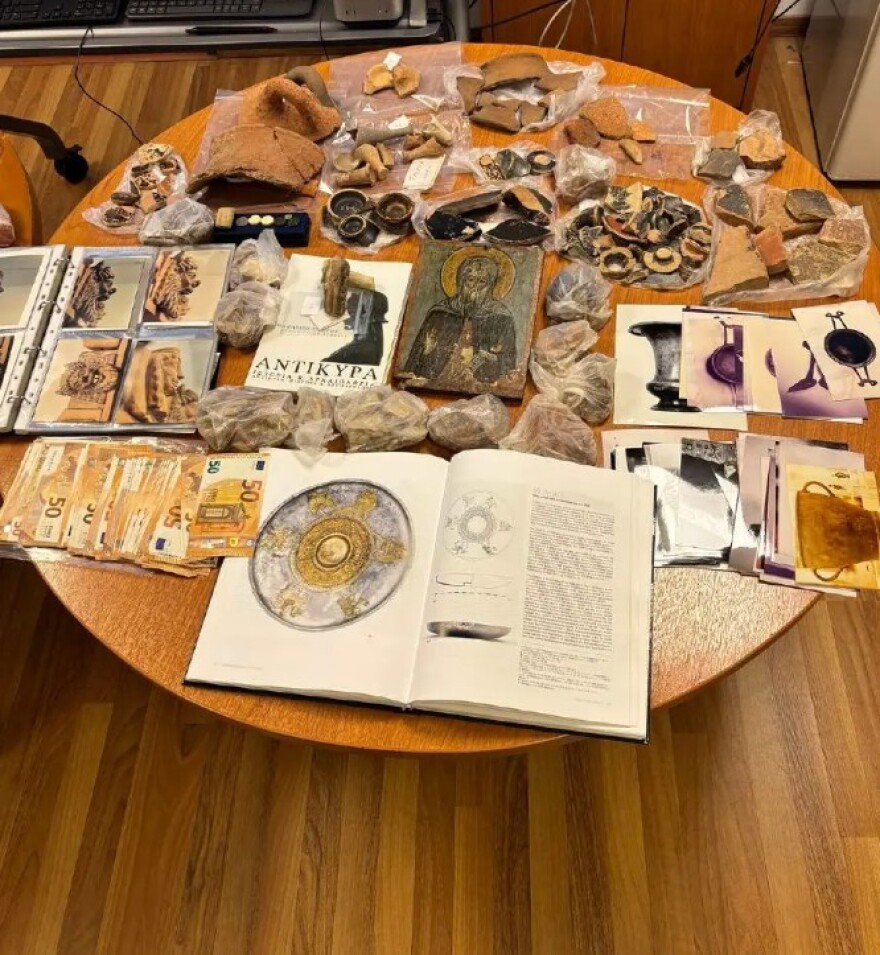
- 474 ancient artifacts (Hellenistic and Mycenaean periods, figurines of male and female forms)
- 4 ancient coins
- Wooden icon of Saint Anthony, covered by antiquities law
- 3 mobile phones and 4 digital storage devices (USB drives)
- 5 laptops and 8 hard drives
- 3D printer
- 2 precision scales
- Numerous Greek and foreign banking documents detailing transactions and account balances
- Numerous photographs of ancient objects
- Numerous books depicting antiquities and auctions of ancient items
- Numerous documents
- 2 bank cards
- 1 vehicle
- Cash amounting to €3,200
See photos
Ask me anything
Explore related questions




