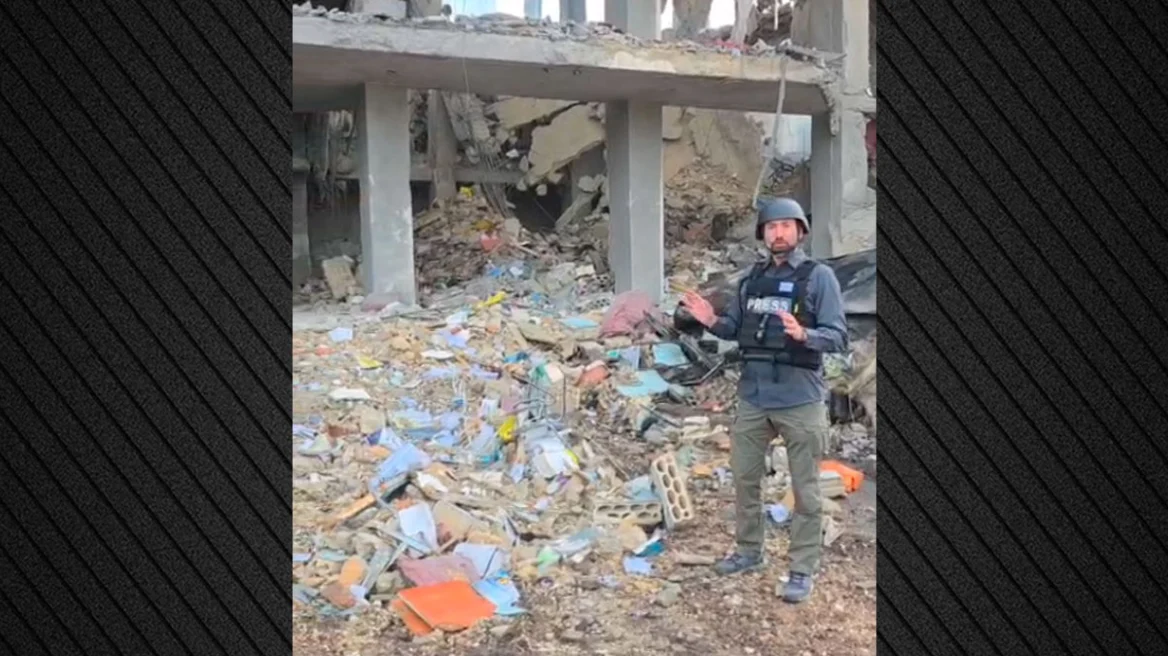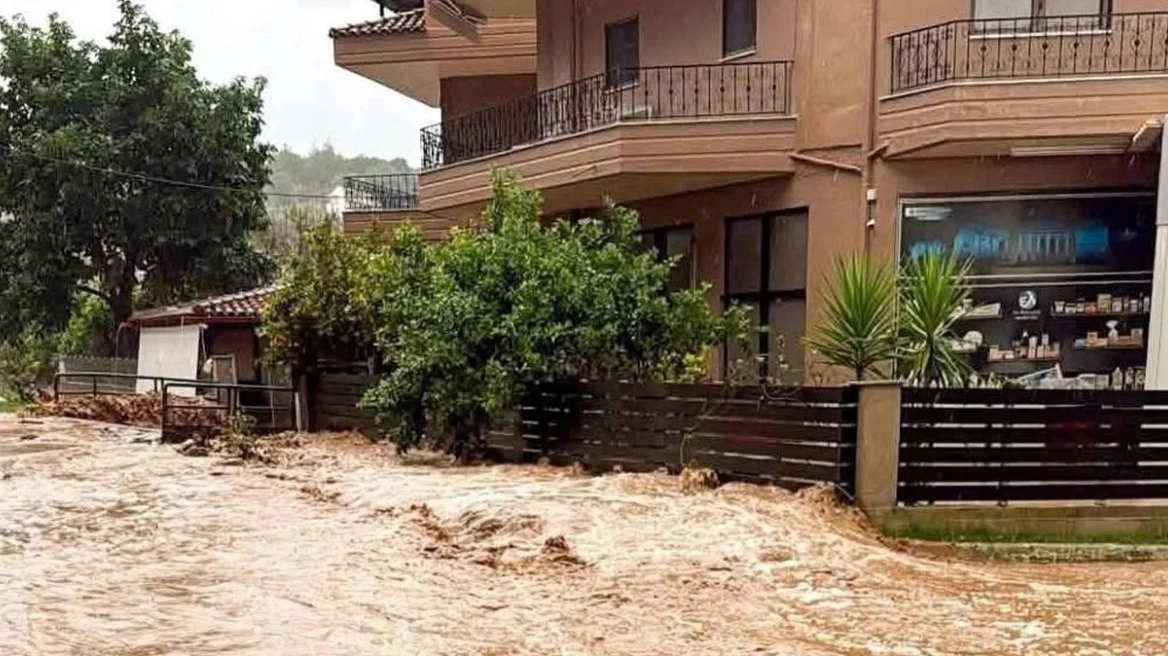
The severe weather that struck Western Greece left behind extensive destruction, with flooding, landslides, and residents trapped. The municipalities of Zagori, Filiates and Ziros have been declared in a state of emergency, while northern Corfu has suffered massive damage. Villages in northern Tzoumerka remain without power, while serious problems are also recorded in mountainous areas of Kalabaka, Kozani and Aspropotamos.
Today, the Deputy Minister for Climate Crisis and Civil Protection, Kostas Katsafados, and the General Secretary for Natural Disaster Recovery and State Aid, Petros Kampouris, are visiting Corfu to inspect the affected areas and coordinate efforts for the immediate support of residents.
At the same time, a meeting will be held with representatives of the Ionian Islands Region and the municipal authorities of North Corfu, with the aim of fully coordinating all agencies and accelerating recovery interventions.
As the Ministry of Climate Crisis and Civil Protection notes in its announcement, Deputy Minister Katsafados is in contact with municipal and regional authorities of the areas affected by the recent severe weather. A program of visits and inspections has already been set in motion, with the deputy minister expected to visit all affected regions in the coming days to coordinate and initiate support and restoration actions.
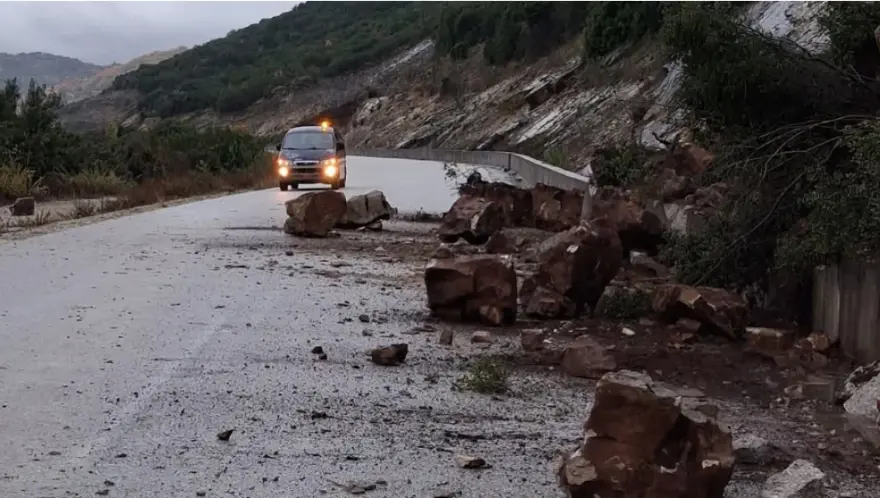
In Filippiada, the bad weather has caused serious problems, with flooded roads, a fallen utility pole and landslides. Similar issues are reported in other prefectures of Epirus, such as in the Municipality of Arta, where landslides and power outages have occurred, and in Central Tzoumerka, where the road network has suffered damage. Even in Ioannina floods were recorded, such as in the Pedini area near the Egnatia highway. Overall, Epirus faces significant destruction from the severe weather.
In Konitsa, the storm left behind severe damage to local infrastructure, with landslides and faults in the electricity network, leaving much of the Mastorochoria community without power for hours. Water supply networks have also been affected.
Corfu: Task force led by the Deputy Minister for Climate Crisis and Civil Protection
The storm left scenes of major destruction, with stones, mud and debris covering roads in Corfu.
A task force led by Deputy Minister Kostas Katsafados and General Secretary Petros Kampouris is on the island today, accompanied by ministry and secretariat officials.
Severe weather: Why northwestern Greece flooded – What orographic lifting is
The situation is critical in northwestern Greece, which has been hit for hours by severe weather.
Floods are widespread, villages have been inundated, and many cars have been swept away by torrents. Several municipalities have asked to be declared in a state of emergency.
Meteorologist Giorgos Tsatrafyllias attributes the destruction to the phenomenon of orographic lifting and explains:
“When the wind blows from the S–SW, it comes from the Ionian Sea, which is warm and full of moisture. This moist air mass moves toward mainland Greece. The Pindus mountain range acts like a ‘wall’. The air is forced to rise along the Pindus range (orographic lifting). As it rises, it cools quickly, reaches saturation, and the moisture condenses → intense rainfall on the windward western side (Epirus, western Thessaly, western Central Greece, western Macedonia).
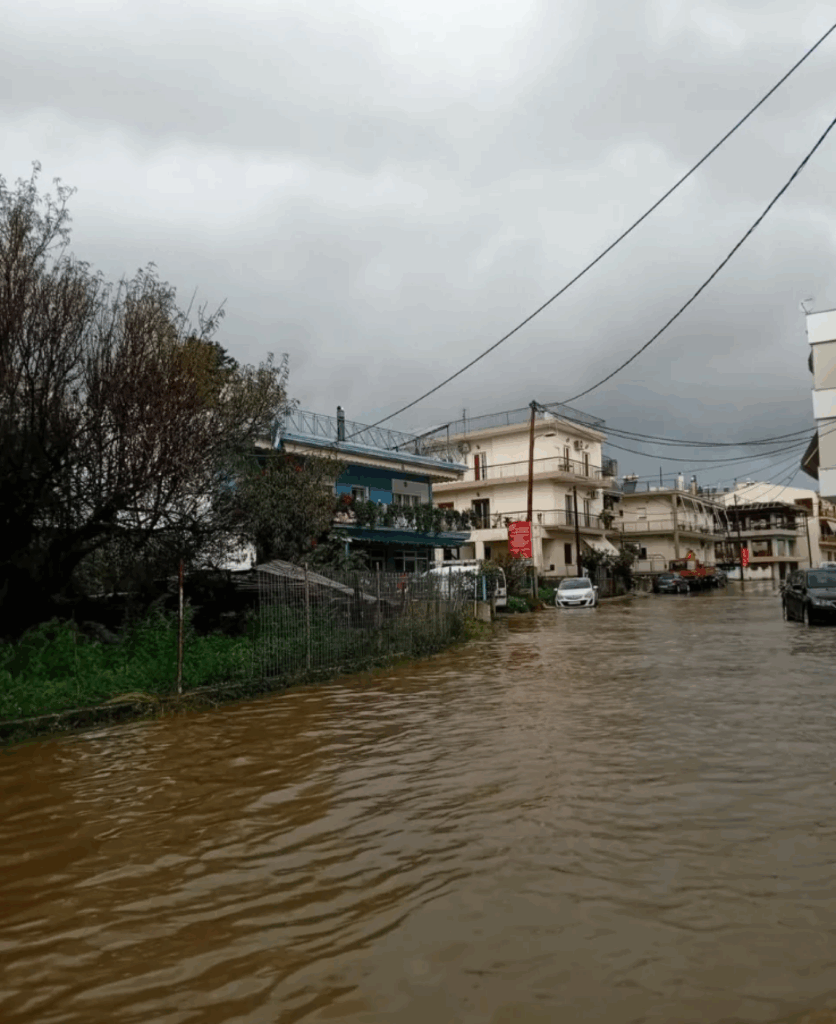
The lifting continues as long as the southern wind blows. Moisture from the Ionian is almost ‘unlimited’. Back-building storms also form, regenerating over the same areas. When a low-pressure system sits off the Ionian, the moisture supply is continuous, creating rain trains.”
Dimitris Ziakopoulos explains the phenomenon
“ECMWF analyses of wind fields and relative humidity at 925 hPa reveal a convergence zone of moist air a few hundred meters above sea level. Over 24 hours this zone moved from Corfu to the Ambracian Gulf.
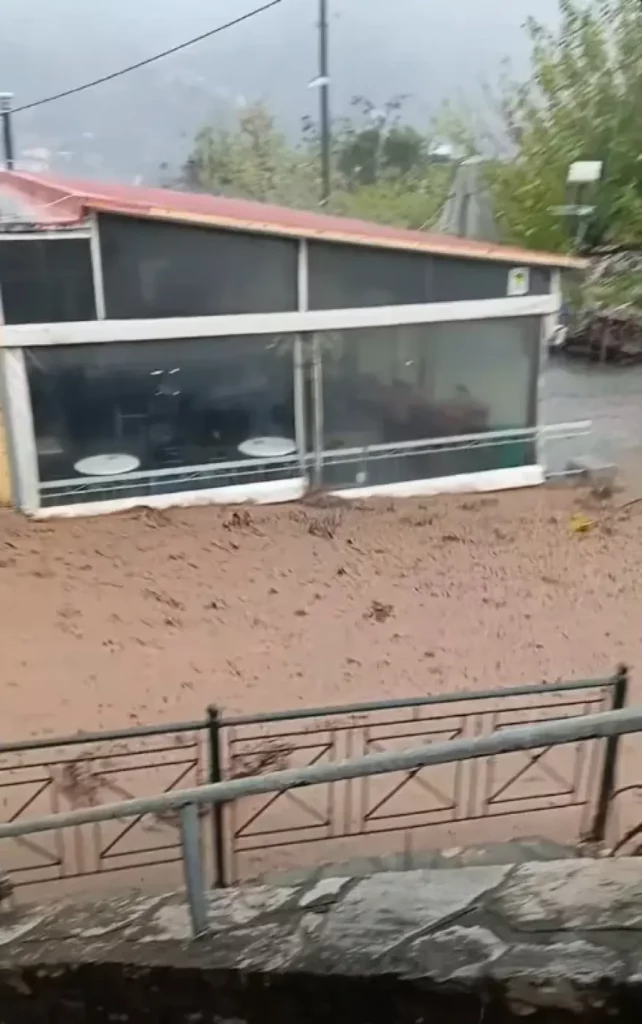
Undoubtedly, dynamic factors and orography contributed to the long-lasting and intense rainfall. But in my opinion, the decisive factor behind the continuously regenerating storms was this convergence zone, which acted as a transporter of moist and warm air masses. These masses continuously replenished the water vapor that was being released as rain.”
Rivers turned into torrents, landslides and power outages – Authorities on alert
The continuous and intense rainfall in Western Greece has caused landslides, ground subsidence, major damage to bridges and widespread infrastructure destruction, creating serious operational problems and risks for residents.
The General Secretary of Civil Protection has declared the municipalities of Zagori, Filiates and Ziros in a state of emergency.
Record-breaking rainfall
Meteorological data show unprecedented rainfall: in the mountains of Ioannina and Arta, over 400 tons of water per hectare were recorded — roughly equivalent to the total annual rainfall in Athens. Compared to last November, Epirus has already received three to four times the amount of rain, potentially setting a 25-year record.
Road closures in Kozani–Larissa National Road
Due to hazardous weather, traffic has been suspended from the 45th to the 51st kilometer of the Kozani–Larissa National Road. Vehicles across Grevena, Kastoria, Kozani and Florina must use snow chains unless equipped with winter tires.
Problems in Kalabaka and Aspropotamos
Heavy rainfall has swollen streams and torrents, causing flooding and road damage. Traffic has been temporarily suspended in several areas of the Trikala regional unit.
Hundreds of calls to the Fire Service
From early morning until 16:30, the Fire Service has received 367 calls across the Ionian Islands and Epirus for water pumping, tree removal, and assistance.
Floods and landslides in Epirus and Corfu
Warnings were issued via the 112 system in Ioannina, Preveza, and Arta due to severe weather and landslide risk. Authorities urge citizens to limit travel.
The Kalamas River overflowed, flooding farmlands in Vryssela and Sagiada. Landslides and rockfalls continue in Konitsa, Pogoni, and other mountainous areas.
In the Meteora municipality, villages in Aspropotamos face extensive damage, with some roads split in two and bridges at risk of collapse.
Evacuations in Filippiada and Vonitsa
Fire crews are rescuing residents in Filippiada, where the municipal stadium has turned into a muddy lake. A special rescue unit is heading to Vonitsa to assist trapped individuals.
Students in Vonitsa had to leave a tutoring center using a fire truck due to flooding.
Road closures in Ioannina
Multiple provincial and municipal roads have been closed due to flooding, rockfalls, and safety risks.
Weather: Caution in the coming hours – New deterioration from Tuesday
Severe weather is pushing toward a 25-year record for the wettest November. Although temporary improvement is expected Sunday and Monday, Western Greece may face a new wave of heavy rainfall from Tuesday.
Ask me anything
Explore related questions