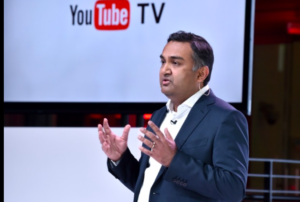
YouTube turned twenty years old this year. Years of images, sounds, stories that have told a lot and caused reflection. TIME magazine, as it does every year, has declared a “CEO of the Year” and this year’s chosen one is Neil Mohan. Not only did the platform come to the forefront, but also the man who is responsible for what we see and what is to come. Mohan is not a Zuckerberg-type personality. He doesn’t claim the spotlight with hyperbole. Instead, he is more like someone who has taken on the task of tending to a full house that is constantly in disarray. With quiet determination, combining expertise and vision, he has already marked the platform’s course.
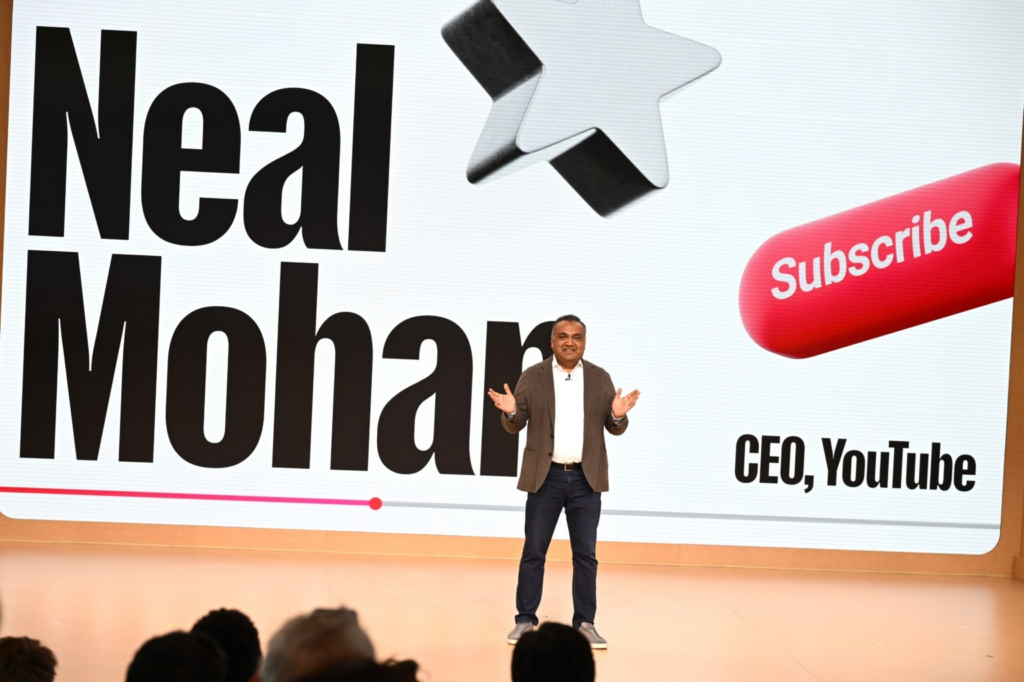
Mohan chose a different path than most young people chasing a dream.
He was born in 1973 in the United States to an Indian family, at a time when his engineer father was completing his doctoral studies. In 1986, however, the family returned to India, and teenage Neal found himself entering the seventh grade at St. Francis’ College in the city of Lucknow. The transition was difficult: having grown up in the U.S., he wasn’t familiar with the local cultural and linguistic environment, his Hindi wasn’t well-practiced, and—as he later admitted—he “sounded funny” when he spoke.
A love for technology
During his school years, he created a small piece of software for classmates and teachers, which quickly made him popular. He later returned to the U.S., where he attended the renowned Stanford University in California, earning a bachelor’s degree in Electrical Engineering. He then completed a master’s degree at the Graduate School of Business. This dual education—both technical and entrepreneurial—proved pivotal for his future career: it gave him both the understanding of how users, creators, and businesses can coexist on a digital platform, and the know-how needed to turn an idea into a real product.
His career began in technical support services. In 1996, he joined Accenture (then Andersen Consulting), and later worked for the startup NetGravity, which was eventually acquired by the well-known online advertising company DoubleClick. When Google acquired DoubleClick in 2007, Mohan joined Google and almost immediately rose to top positions. As Senior Vice President of Display and Video Ads, he played a decisive role in developing advertising products that became the economic backbone of YouTube. In 2015, he officially moved to the YouTube team as Chief Product Officer (CPO). From that position, he began designing and launching products that transformed YouTube from a simple “video website” into a global platform for entertainment, music, television, and content creation.
As CPO, Mohan oversaw the rollout of numerous new services that are now considered essential parts of YouTube: YouTube Shorts, YouTube Music, YouTube TV, and YouTube Premium. With the introduction of Shorts, YouTube confronted the challenge of short-form video, largely inspired by social media competitors like TikTok. Not only did YouTube manage to keep pace, it forged new paths: the platform succeeded in maintaining its original identity while also reinventing itself for new generations of users. At the same time, under Mohan’s leadership, YouTube enhanced the user experience, invested in community-protection policies (through the Trust & Safety team), and developed tools supporting creators—whether they worked with music, images, podcasts, or video.
The man behind YouTube’s skyrocketing growth: Indian-born CEO Neal Mohan
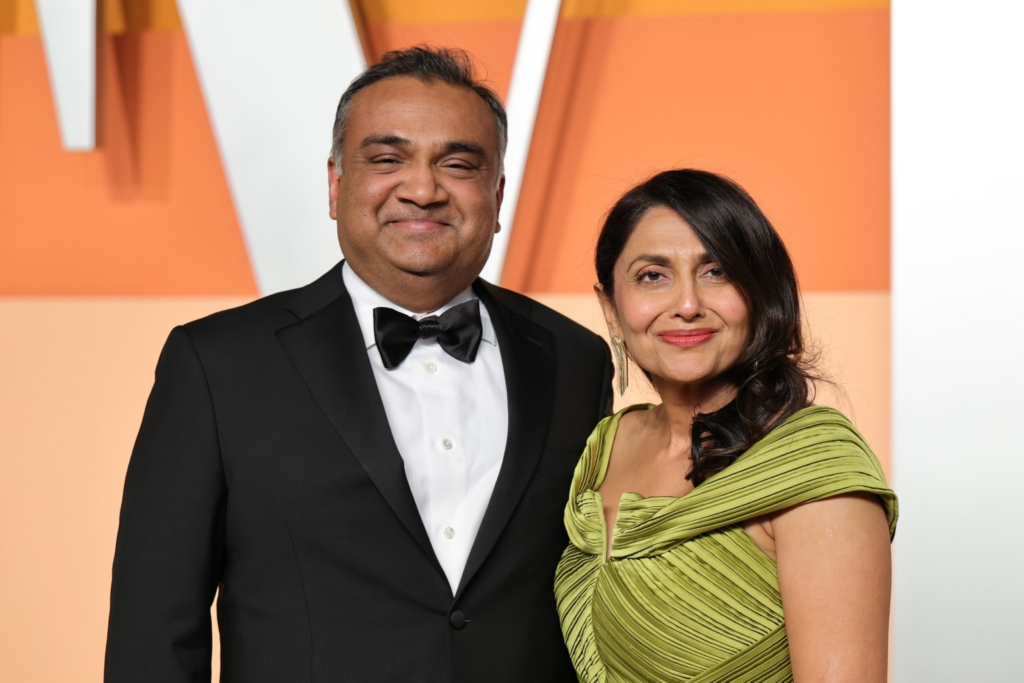
Neal Mohan is married to Hema Sareen Mohan. The couple met while working at DoubleClick in New York, and they have three children.
Transforming YouTube into an “entertainment ecosystem”
Mohan’s consistent vision has been to transform YouTube. Not simply into a place to watch videos, but into an umbrella that encompasses music, television, creation, and community. On February 16, 2023, Mohan officially became CEO of YouTube, succeeding Susan Wojcicki. As CPO, he already had control over numerous major products and operations—making the transition exceptionally smooth.
Since then, he has brought with him a clear vision of a YouTube that does not cater to just one type of user—not only to big channels, and not only to influencers with hundreds of thousands of followers. His goal appears to be a platform “where everyone can have a voice,” enabling even someone with no experience to take their first step.
In his personal life, Mohan is described by those around him as “quiet,” “measured,” and also deeply “focused.” He isn’t the type to post selfies from trips dressed in expensive suits and watches. He prefers a simple white shirt and relaxes by watching basketball. He also never misses any of his children’s school performances. He has said that staying connected with everyday people and spending time in environments outside of work helped convince him even more that YouTube.
Ask me anything
Explore related questions