





A solution that appears almost “tailor-made” for Greece’s needs, especially for its islands, is the development of mini nuclear reactors, which Prime Minister Kyriakos Mitsotakis referred to while speaking at the Nuclear Energy Summit in Paris.
“It is time for my country to explore whether nuclear energy—and especially small reactors—can play a role in the Greek energy system,” he said.
These are the so-called SMRs (Small Modular Reactors), which are exactly what their name suggests. Characterized by their small size—since the reactor core usually does not exceed two meters in height—they are transported in parts and assembled and installed as a single unit in locations where conventional nuclear power plants cannot be developed. In this way, relatively cheap, clean, and safe energy can be produced quickly and easily.
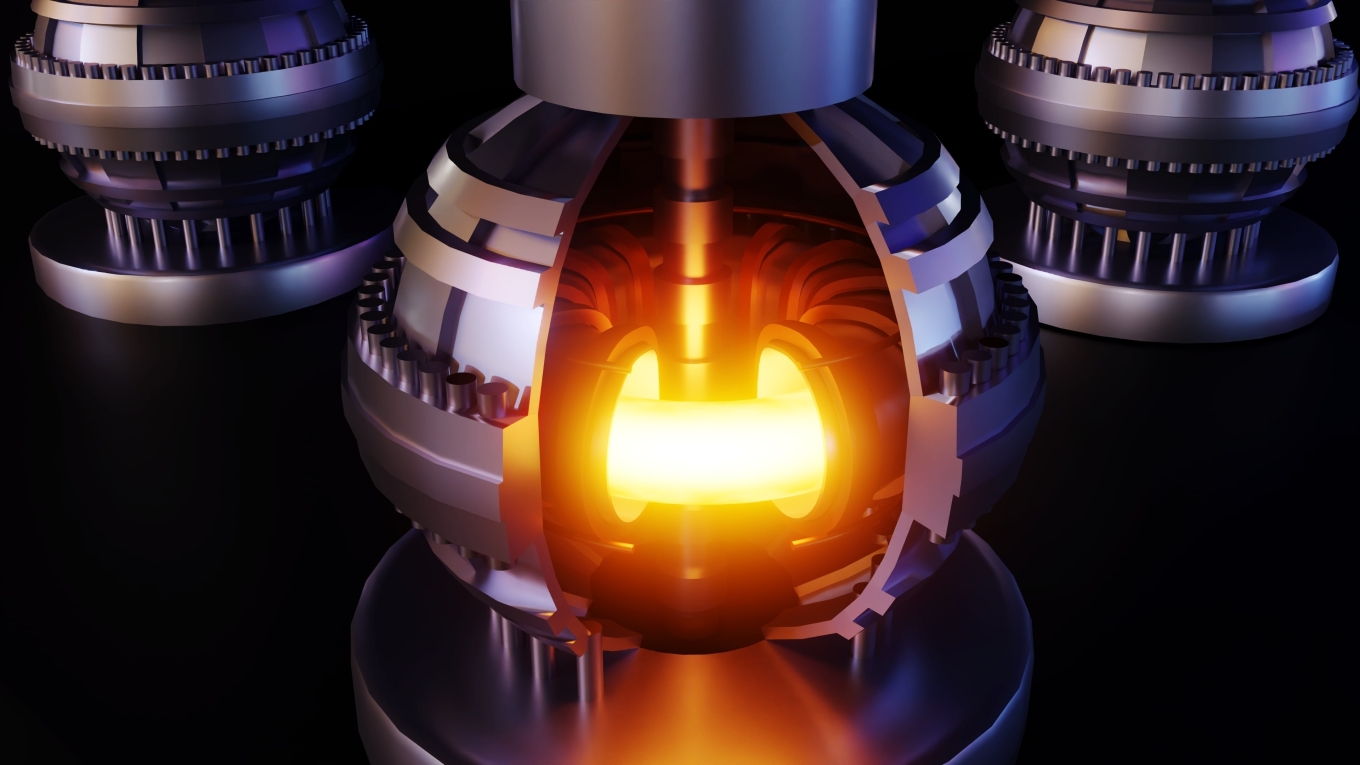
Because they are modular and assembled on site, mini nuclear plants require much less construction time than building a conventional nuclear power station, and naturally involve lower costs. Their components are transported to the location where the nuclear facility will be developed and assembled there, regardless of whether they are on-grid or off-grid, meaning whether they are connected to the electricity network. The trade-off, however, is that they produce significantly less energy than a standard nuclear power plant. How much less?
A mini reactor, through nuclear fission, produces roughly one-third of the energy generated by a traditional large reactor. In practice, large nuclear reactors usually have a capacity of 1,000–1,100 MW, while small reactors can produce anywhere from 35 MW—in some cases installed on ships to supply energy wherever needed—to about 300 MW.
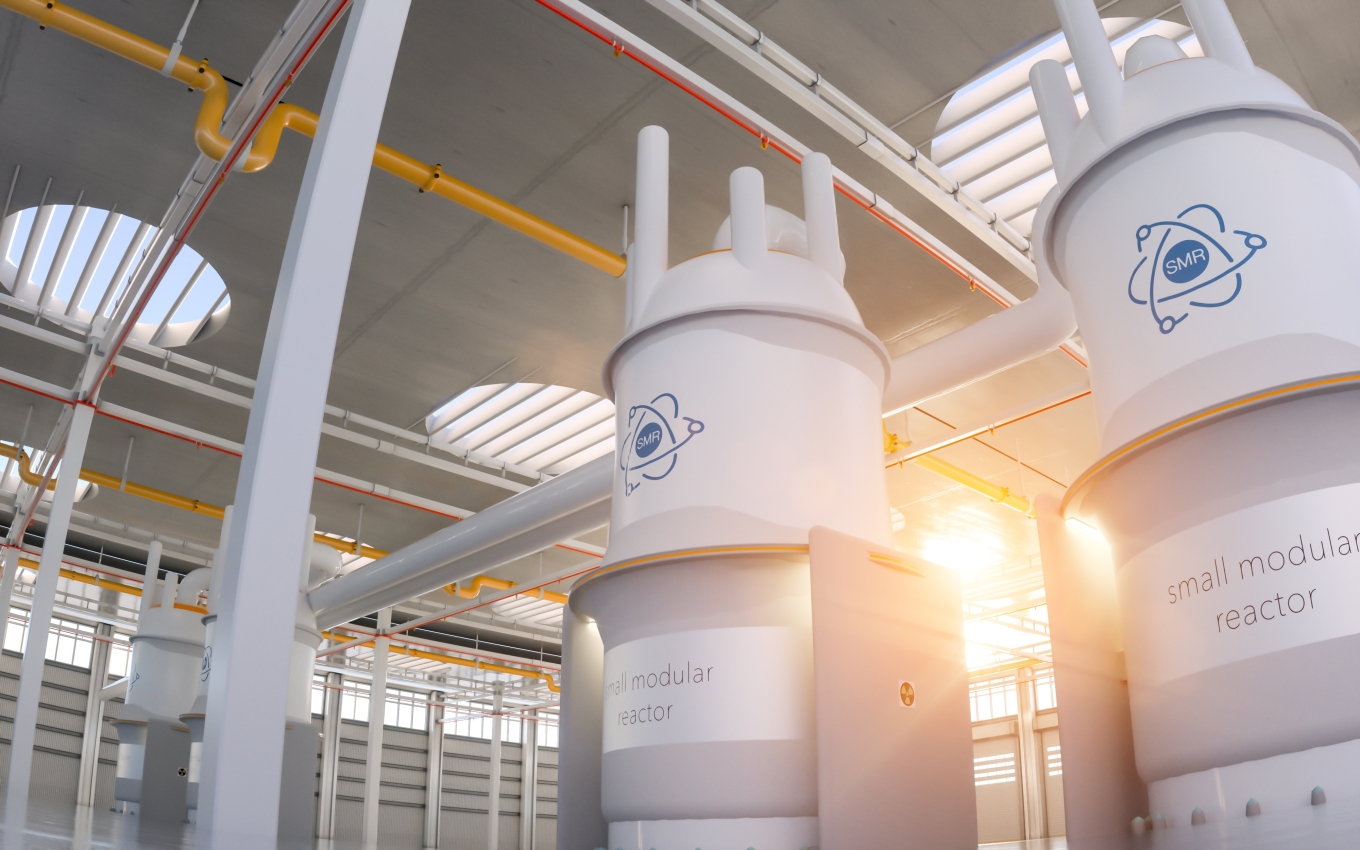
The mini-reactor solution has been proposed in Greece for about two years by a specialized American-Canadian company. Its founder has even visited Greece and held discussions with government officials, informing them about the possibility of such a project. Since then, the prime minister has shown a positive stance toward the idea, which he again mentioned at the Nuclear Energy Summit in Paris, revealing that “it is time for my country to explore whether nuclear energy—and especially small reactors—can play a role in the Greek energy system.”
Mini nuclear reactors
What makes mini nuclear reactors particularly attractive—especially for Greek islands—is not only their ease and speed of construction or their cost. Because SMRs are generally simpler than traditional reactors, they are designed with maximum safety and efficiency in mind.
In a country that is among the most seismically active in the world, nuclear safety is a crucial issue. In small nuclear reactors, safety usually relies more on passive systems, which are inherent safety features of the reactor itself, such as lower operating power and pressure. This means that human intervention or external action is not required to shut down the reactor, because passive systems rely on natural phenomena such as natural circulation, heat transfer, gravity, and self-pressurization.
These enhanced safety measures significantly reduce—or even eliminate—the likelihood of unintended radioactive releases into the environment in the event of an accident.
Another advantage—aside from being a clean form of energy—is the minimal fuel requirements of these reactors. Power plants based on small modular reactors may require refueling only every 3 to 7 years, compared with the annual or biennial refueling typical of conventional nuclear reactor facilities. Some SMR designs are even intended to operate for up to 30 years without refueling.
Ask me anything
Explore related questions




