





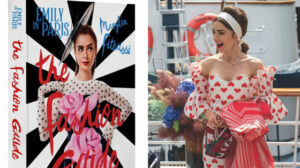
At a time when TV series rarely shape the global aesthetic with the intensity that cinema or Sex & the City once did, Netflix’s Emily in Paris has managed to become one of the most recognizable pop phenomena of the decade. From its first screening, Emily Cooper’s Parisian universe created a standalone visual world where color, exaggeration, and experimentation didn’t function as mere stylistic choices, but as key storytelling tools.
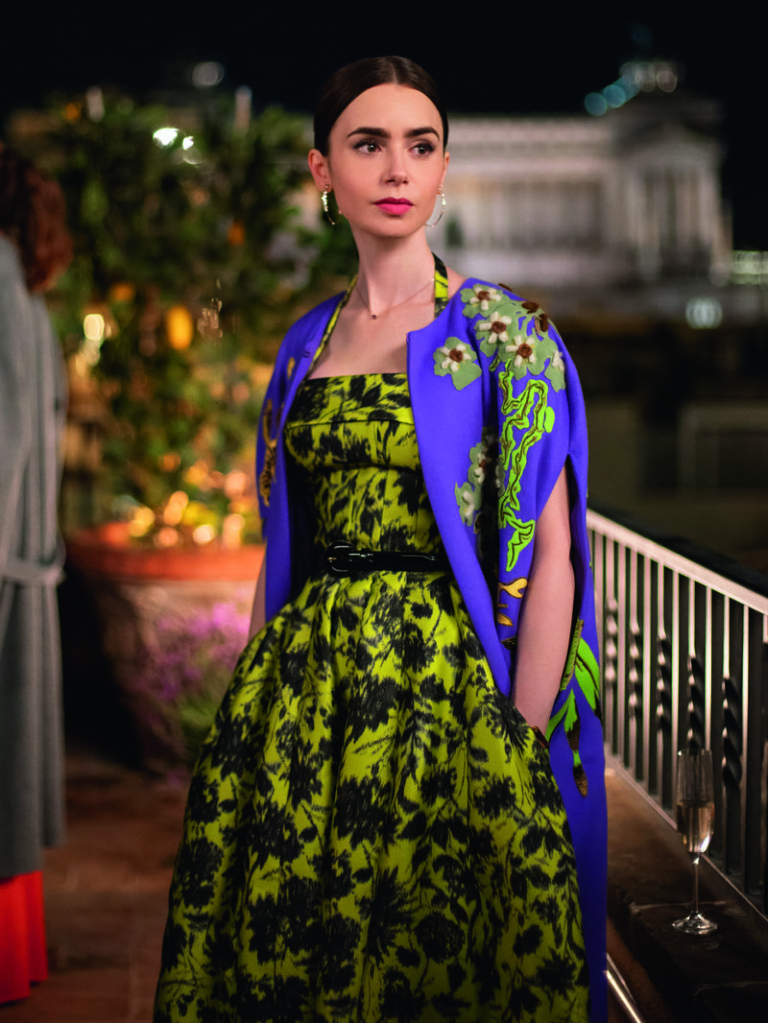
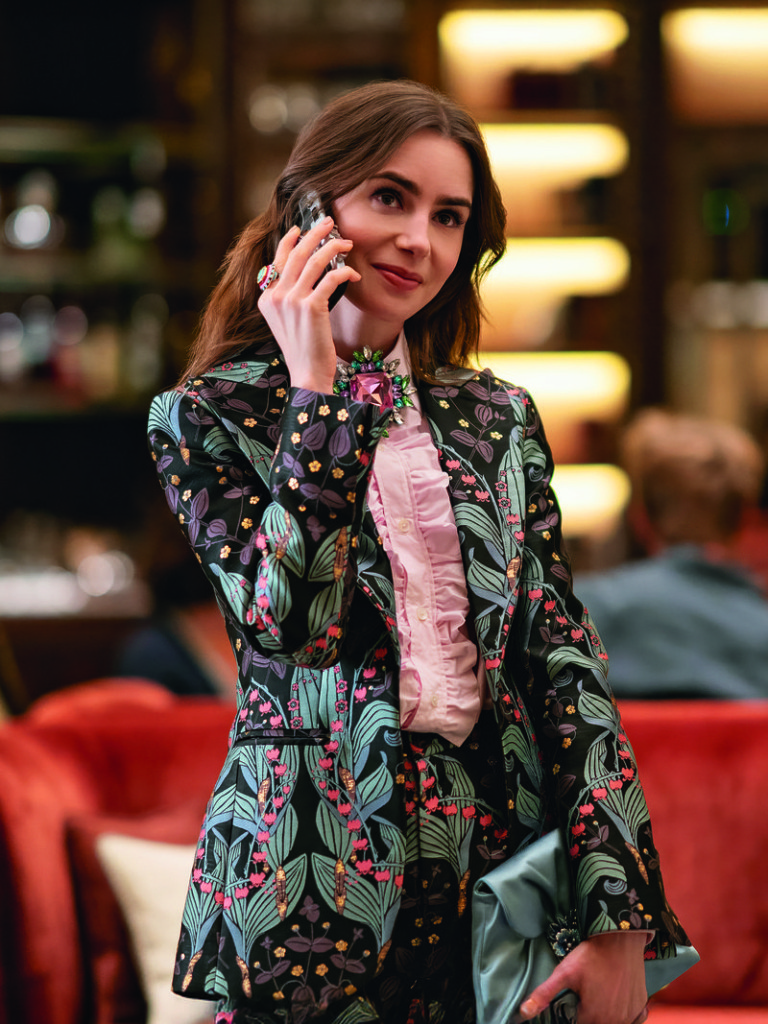
The new book Emily in Paris: The Fashion Guide from Assouline publishers takes us inside the world of the series. It is the first official book about the show, featuring text by the show’s costume designer Marilyn Fitoussi and a foreword by creator Darren Star. The book goes beyond just listing costumes; it presents the aesthetic that shaped the series and the process behind creating its distinctive style. Assouline gathered exclusive behind-the-scenes material, including original sketches, mood boards, costume fittings, Fitoussi’s notes, and photos showing the scale of the production.
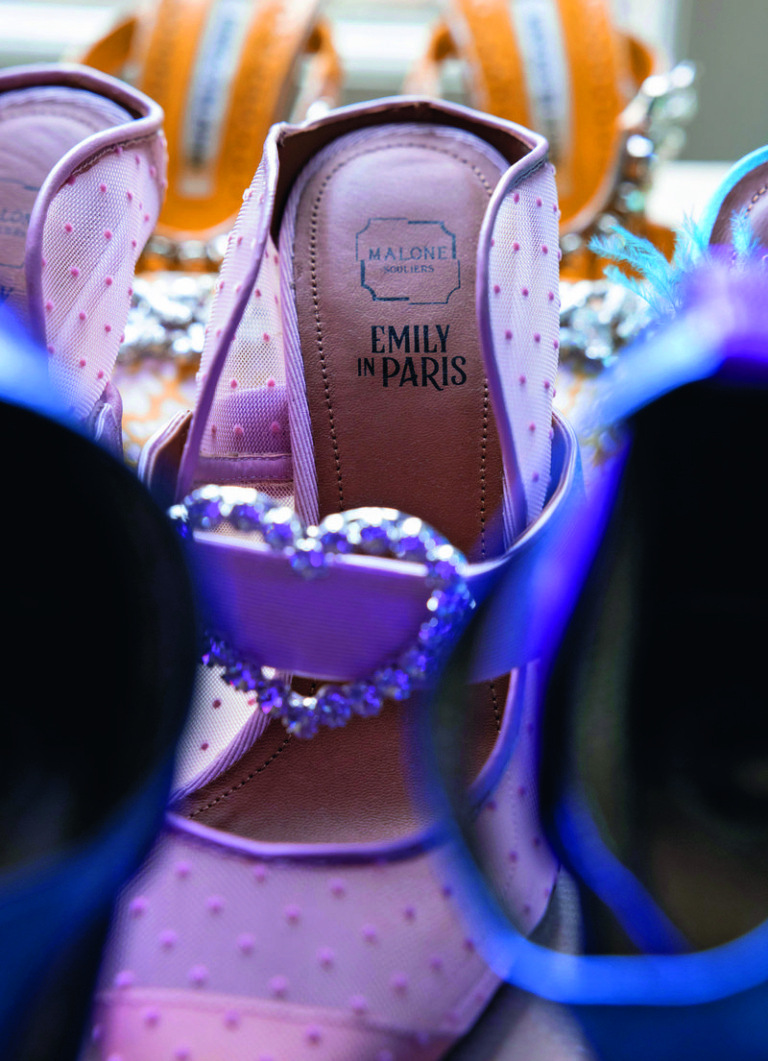
For example, in the fourth season alone, Fitoussi selected over 25,000 clothing pieces from more than 480 fashion houses and designers, showing the intense creative work behind each episode. Fitoussi, who studied Art History at École du Louvre and fabric design, is presented not just as a costume designer but as a storyteller through fashion. Her experience working with historic costume houses like Angels & Bermans and Les Costumes de Paris gave her deep knowledge of the techniques, textures, and codes needed for costumes to tell a story. In the book, this knowledge translates to the idea that clothes are not just accessories but the first language through which a character communicates.
Fashion Stories and Style of the Popular TV Series
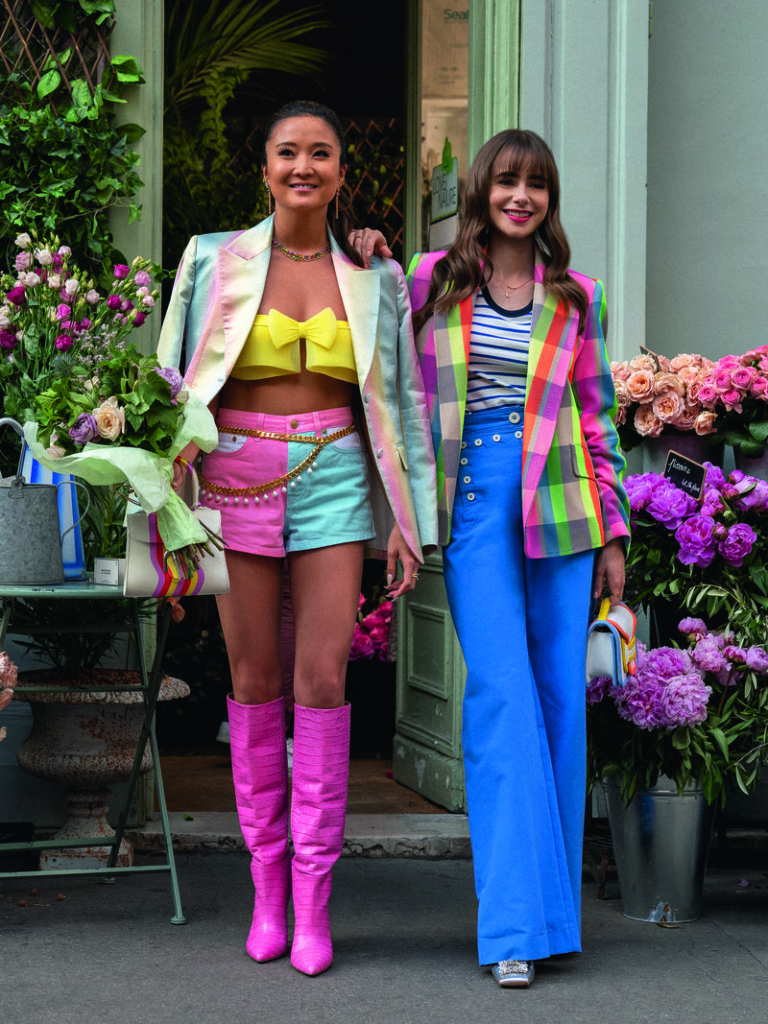
The book details how the main characters’ styles evolve. Emily’s looks shift from the bold and touristy outfits of the first season to more structured choices reflecting maturity and confidence, later influenced by Italian cinema aesthetics. Sylvie’s style is shown as strict, elegant minimalism expressing control and power, while Mindy’s outfits reflect her creative and joyful personality. Fitoussi supports a fashion without strict rules, describing her work as a “manifesto of freedom” that rejects the idea of “musts.” Color, pattern mixing, bold accessories, and breaking expectations become ways for both characters and viewers to express themselves.
The Costume Language
The book serves as a visual dictionary of the series, featuring 25 of Fitoussi’s favorite looks with explanations of the concepts behind them, rare photos from the costume workshops, and handwritten notes showing how the costumes helped shape the characters’ identities.
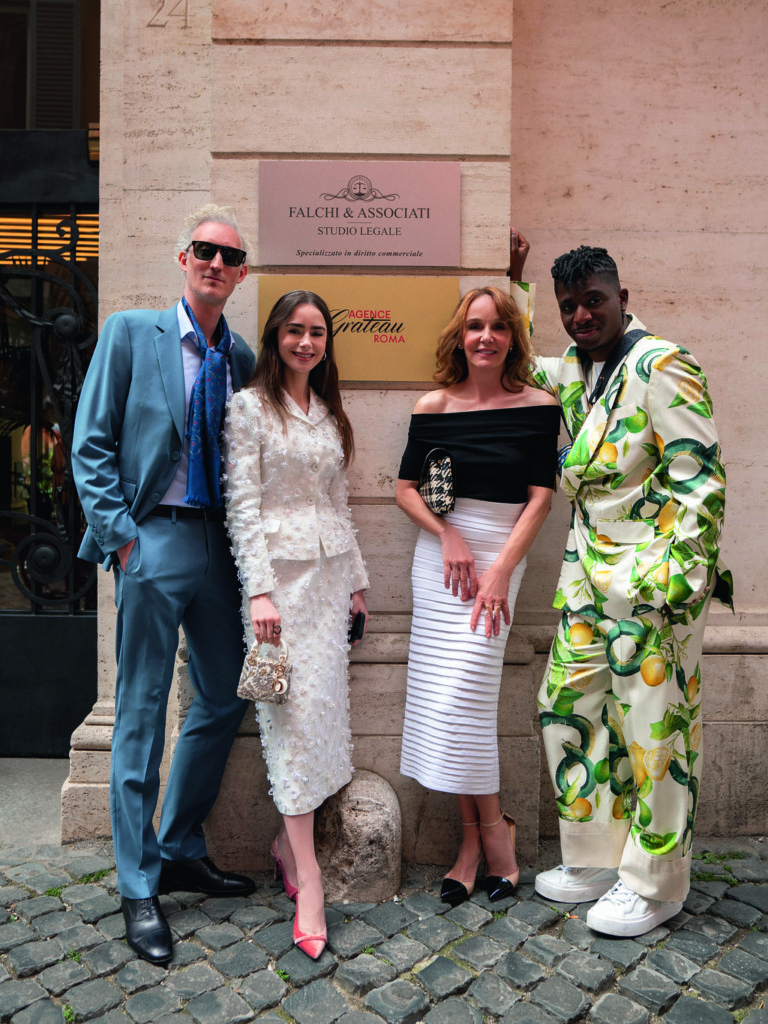
More importantly, the book emphasizes that fashion on screen can be a language and a storytelling tool, revealing what words cannot. Beyond the beauty of the costumes, Assouline highlights the work, time, precision, and imagination required to create such a recognizable and influential aesthetic. As Fitoussi says, “Clothes are a way to say: this is who I am, this is what I dream of,” which sums up the essence of the book.
Final Note
Lily Collins, the show’s lead actress, expresses her deep connection to Fitoussi’s work: “More than just a collection of costumes, this book is a true love letter to Marylin Fitoussi’s bold and colorful imagination and the freedom she gives us to play with styles and make them our own. Our friendship and creative collaboration have changed my life forever. She is a magical creator, a symbol, and a visionary, and I’m proud to honor her.”
Ask me anything
Explore related questions




