





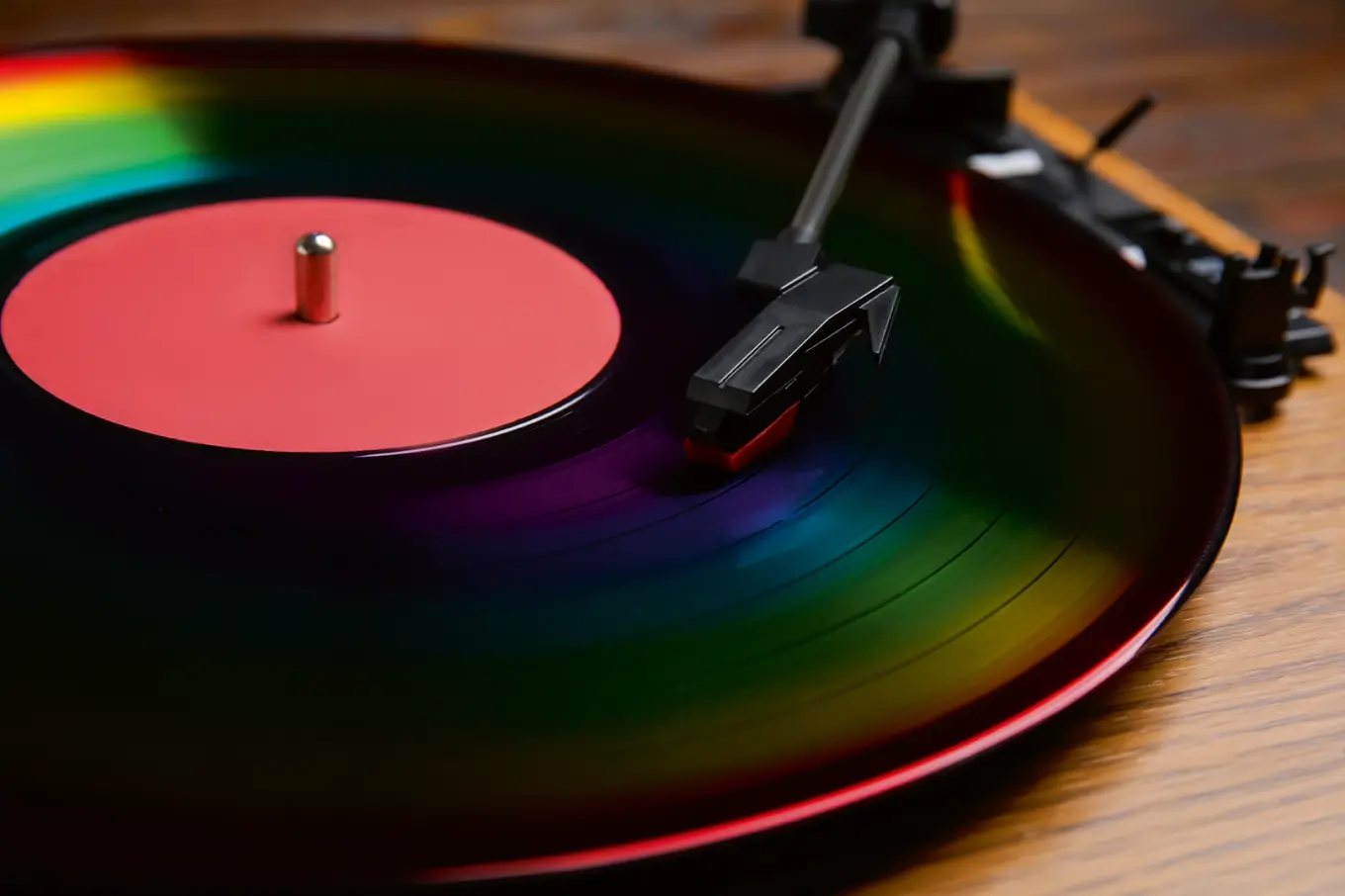
Gone are the days when we would stand for hours in front of the radio waiting eagerly to hear our favorite song, or follow weekly television programs to watch our favorite music videos, which, incidentally, helped launch top-tier directors such as, in our own case, Giorgos Lanthimos.
The aesthetics of radio producers, as well as television stations specializing in music, such as MTV, shaped entire generations and culture as a whole. Likewise, the powerful record companies determined not only the music industry but also the next stars, shaping the charts and the major hits.
Today, however, when access to YouTube—and therefore to any song we like—is easy and open, applications such as Spotify, with 217 million active users according to the latest measurements, shape a form of streaming tailored to our tastes, turning music into a product for immediate consumption, yet one that is much more individualized and distant. On their side, experts, despite the changes in the way we listen to music, have different reasons not to be (only) pessimistic about the new order of musical things, especially after technological developments, maintaining that the most unpredictable factor remains the human being.
From Vinyl to Instagram Music
“One of the most vivid images I have from my early childhood is the walk to the local record shop in Agioi Anargyroi, clutching tightly in my hand my monthly allowance so I could buy… what else? Vinyl records. On the way back I had already removed the wrapping so I could open the fetish object, look at the artwork, read the lyrics.

(Dimitris Vrachnos, radio producer and director of Melodia 99.2: “This blend of music and genuine live companionship is not something the platforms can offer. So, fortunately for the medium, when we grow tired of our Spotify playlist, we still choose the habit of radio companionship. Essentially, the human being versus the algorithm. At least for now”)
How I never cracked my head open on some electricity pole while doing that remains a mystery! I remember the first vinyl I bought with my own money at age 10, the maxi single ‘Karma Chameleon’ by Culture Club, the hundreds of cassette tapes we patiently recorded, making incredible mixes by pressing the buttons on the tape recorder, just as I remember the first CD I ever held in my hands, ‘Gone to Earth’ by Barclay James Harvest, a gift from my best friend. I also remember the smell of the records our father brought with him when we came to Greece from Boston.
The first initiation into music had a lot to do with the relationship formed with objects of a specific appearance and aesthetic,” says Tina Pappa in her own vivid way, expressing an entire era. She was the first TaM manager of MTV Greece, responsible for international repertoire at the record company Universal, and now works as Public Relations & Communications Specialist at City Owls.
Like many of us, she has experienced all the changes in the way we listen to music, beginning with “the swan song of vinyl, the days of the absolute glory of the CD and, shortly before I left record companies for other positions, the slow but steady return of vinyl into fashion, the dethroning of the CD and the first digital collections after patient downloads on Napster up to today, when almost all of us now listen to music only through platforms,” commenting on the multiple issues raised by technology.
It is precisely to this onslaught of technology that we owe, to a great extent, the changes “in the way music is recorded and reproduced in recent years at truly great speeds,” says Giorgos Mouchtaridis, who has had a long career in music media as a radio producer and director of radio stations such as Kosmos 93.6 and Pepper 96.6, while today he hosts a daily show on Kosmos 93.6. He even considers this easy access to music to be “superficial and shallow.”
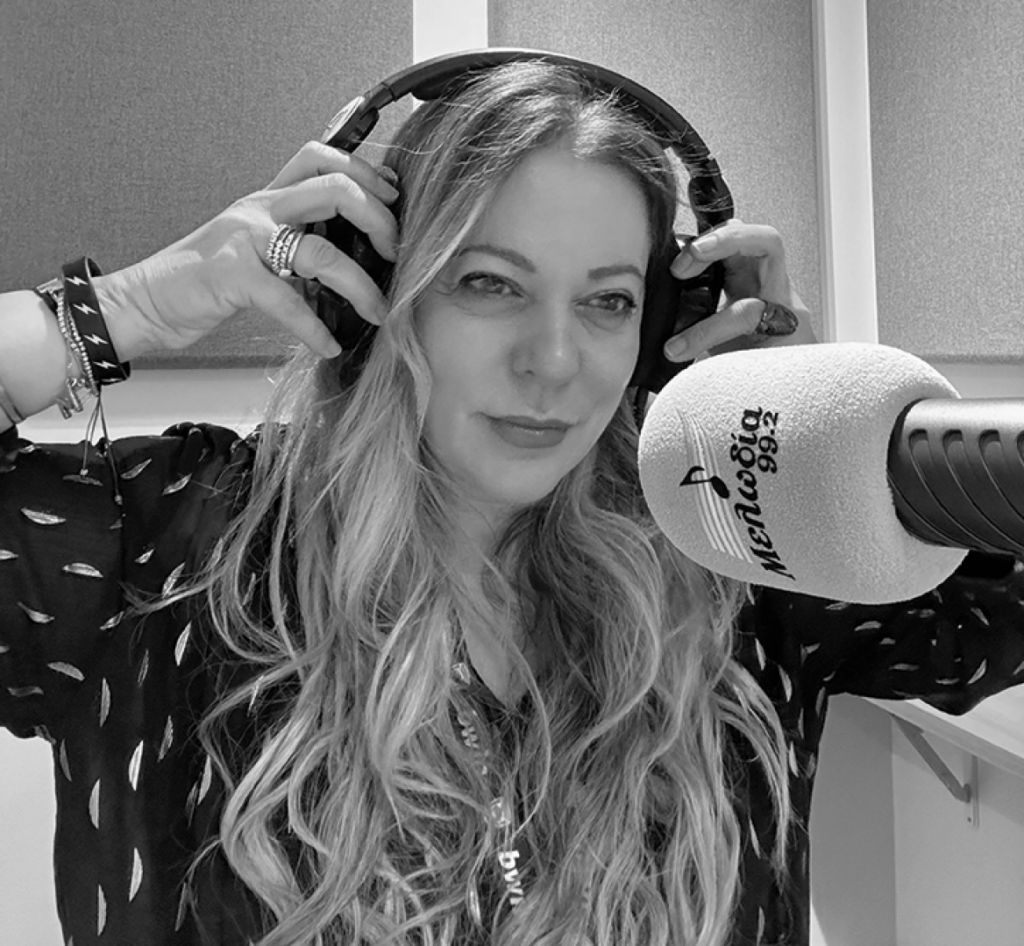
(Matoula Kousteni, radio producer at Melodia 99.2: “We are the generation that stood with one foot in two boats: in analog and digital music listening. Those of us who remember the characteristic sound the cassette compartment made when our parents turned off the car radio and handed us over to ‘Asia Minor’ by Dalaras, Parios’s ‘Island Songs,’ Mikis Theodorakis’s ‘Great Songs,’ the Beatles…”)
It is no coincidence, he says, that “music today is being transformed into content for use on Instagram and TikTok, aimed at acceptance and gaining more likes.” But, as he points out, listening has also become “nervous and fragmented” for older generations. Although he believes easy accessibility has greatly democratized the way we listen to music, “its social depth, its influence, and its role in shaping the listener’s character and personality have been lost. In short, its ability to function on a transcendent level.” That is why, when examples emerge that restore the depth and value of music, as happened recently with the tremendous response people showed to Rosalía’s latest album, “all of us, in that case, remember the great virtues of music. That is exactly why they exalted it!” he emphasizes enthusiastically.
Radio Endures
Hence the important role of radio, which continues to act as the channel through which quality music reaches the broader public and keeps its social role alive, beyond concerts. Dimitris Vrachnos, radio producer and director of Melodia 99.2, refers precisely to this. According to recent research coming from the United States, the socialization promoted by music is expressed first and foremost through radio. As Dimitris Vrachnos explains, “In 2026 in the U.S., despite the dominance of social media and every audio platform, 84% of adults aged 25 to 64 listen to radio, and not through some app, but over the airwaves.”
That is exactly why he remains optimistic regarding the endurance of radio and resistance to the advance of technology. “While logic would suggest that the freedom of ‘I listen to whatever I want, whenever I want’ would drive mass audiences entirely toward the subscription-based versions of Spotify and YouTube, it is observed that the free experience of radio is not easily abandoned. Especially by drivers in large cities, who spend hours stuck in traffic looking for a little company. And the word ‘company’ is the key difference.
Because beyond the musical identity of each station, which has been shaped with enormous care in order to cover the tastes of most listeners, it is the voices—the personalities behind the microphones—that connect us to the here and now within our small or large community, where the songs of each station still constitute a common language. This mixture of music and genuine live companionship is not offered by platforms. So, fortunately for the medium, when we get tired of our Spotify playlist, we still choose the habit of radio companionship. Essentially, the human being versus the algorithm. At least for now,” he concludes.
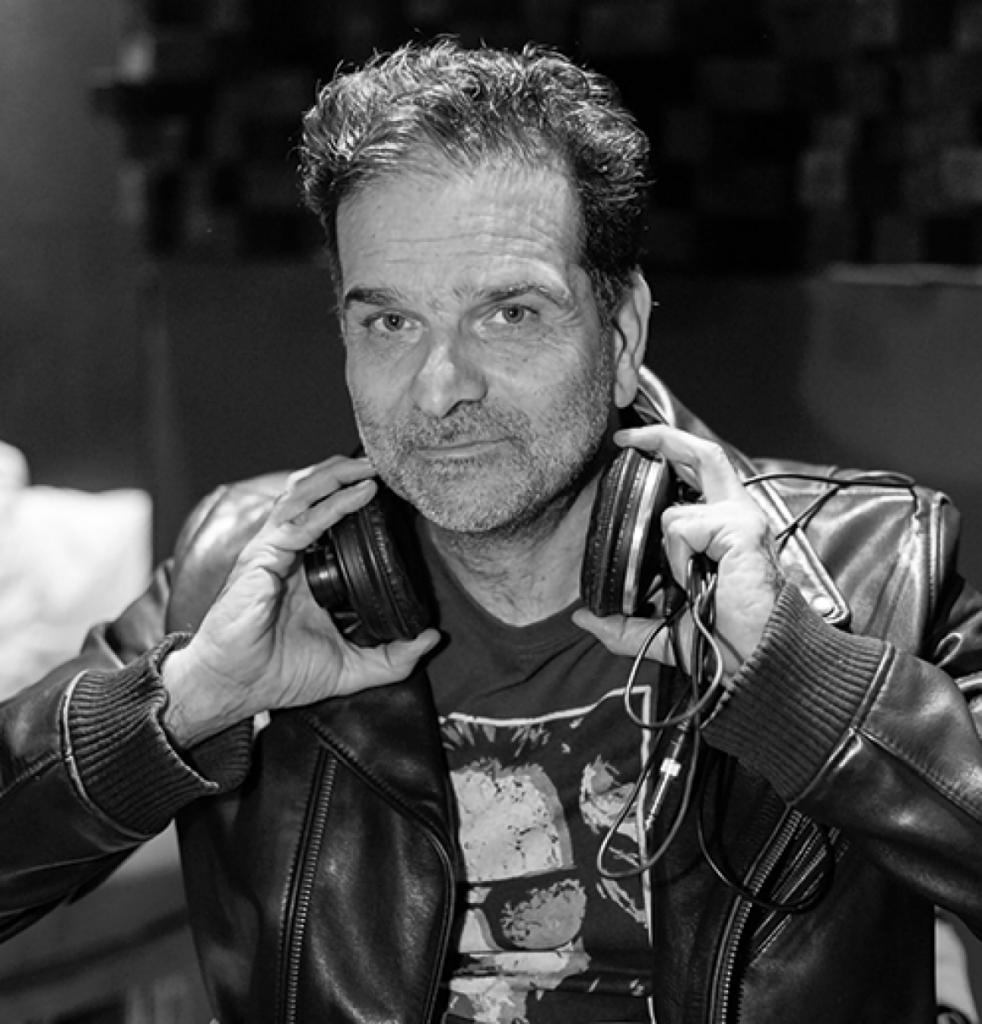
(Giorgos Mouchtaridis, radio producer at Kosmos 93.6: “Music has lost its social depth, its impact, and its role in shaping the character and personality of the listener. In short, its ability to function on a transcendental level”)
And After the CD, What?
Agreeing with this perspective, Tina Pappa insists that we listen to music differently “by chance. My friend Andreas was telling me how differently he heard an album because he chose the turntable instead of Spotify. Gen Z doesn’t even know what a cassette or CD means, but they know from a cool friend that vinyl is another story altogether, and having a classic sound system at home today immediately places you in another caste of music lovers.”
But what does the end of the CD mean? Journalist and radio producer at Melodia 99.2, Matoula Kousteni, recounts her own personal experience of the gradual disappearance of CDs from our lives:
“A little while ago, the teacher who gives my daughter private English lessons asked me, for a listening assignment they were preparing, to bring a portable CD player into the classroom (!). ‘Yes of course, I’ll find one immediately,’ I said, and instantly all those devices I had thrown away over the years began passing before my eyes. To avoid embarrassing myself and to avoid dismantling the stereo in my living room, I started ringing my neighbors’ doorbells. Out of the 15 apartments in the building, one single chunky CD player was found in a storage loft, and an entire operation was organized around it.” So it remains to be seen whether this has affected more generally the way we now listen to music.
“A few years ago I freed myself from dozens of boxes of CDs that until then sat comfortably on large bookshelves organized alphabetically—those who have done it know exactly what I mean!” says Tina Pappa. “But one day I realized I would never listen to them again. Did music die along with them? Or my need to listen to music? Of course not. Is it much easier for me now to search for and listen to whatever I want on a platform? Of course yes. But if I want to be honest with myself and my long past as a genuine music lover, I must admit that deep down I feel a secret joy that I experienced that sacred anxiety and anticipation of putting on a vinyl or even a CD and letting it play from beginning to end, revealing to you, in another sense of time and with the necessary pauses, the essence and universe of each album as a whole.”
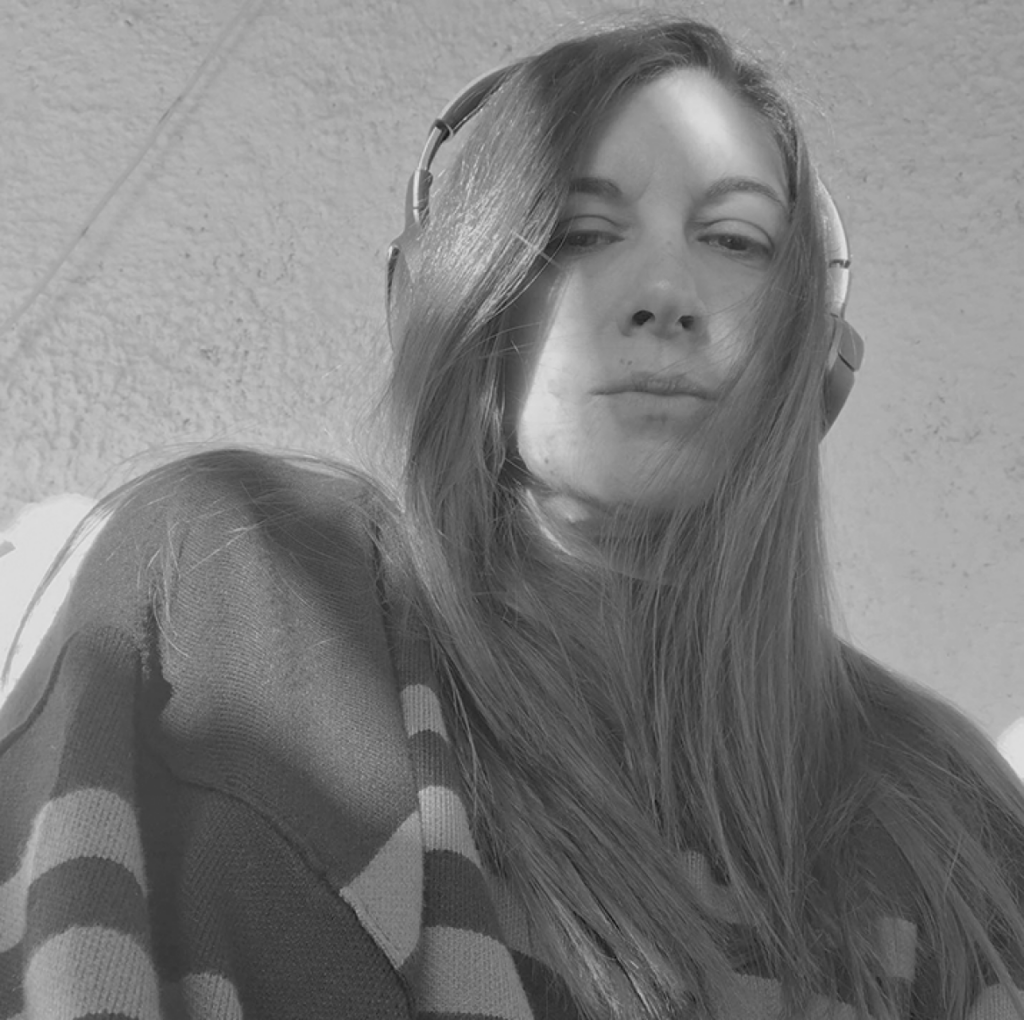
(Tina Pappa, Public Relations & Communications Specialist at City Owls: “The physical product makes listening a ritual. The ‘distant’ digital substitute can transport music from one end of the world to the other in a matter of seconds, but it also creates an imperceptible distance from the creator. Let us hope that generative AI will not deliver the final blow”)
Analog Listening to Music
“Let’s face it, we are the generation that stood with one foot in two boats: analog and digital music listening. Those of us who remember the characteristic sound the cassette compartment made when our parents switched off the car radio and handed us over to Dalaras’s ‘Asia Minor,’ Parios’s ‘Island Songs,’ Mikis Theodorakis’s ‘Great Songs,’ the Beatles,” says Matoula Kousteni, speaking on behalf of all of us “who sorted through our parents’ vinyl records with youthful arrogance, keeping only Depeche Mode and Nirvana, who for years searched for ways to get rid of all that bulk of vinyl records, CDs, and videotapes inherited from our families.
We hid the walkmans, admired the unconditional surrender to the digital invasion of the iPod, MP3s, and Spotify, and slightly mocked those who considered vinyl an essential accessory of their hipster identity. Today, coolness demands nostalgia and analog living. Young people are indeed turning to vinyl records, CDs, printed books, analog cameras. They rummage through musical treasures in our old boxes or on second-hand platforms (Vinted, Vendora, etc.) where cassette tapes, old transistor radios, cassette players, and reel-to-reel tape recorders are thriving.”
This nostalgic return to the world of analog music means that people, despite technological evolution, are searching for quality as well as the magic of the past. “Concept stores that respect themselves—naturally alongside the organic cotton T-shirts—have vinyl records. Old record shops have come back to life. And at Gen Z weddings it’s impossible not to take a photo with a Polaroid. Young people, they say, are rejecting excessive dependence on technology.
I only have one question: is this truly the way they choose to listen to music and live, or are they merely staging the scenery for the next social media post?” Matoula Kousteni wonders rhetorically.
Nevertheless, the future comes precisely from this direct relationship with music that one can find only in the analog way because, as Tina Pappa argues: “The physical product makes listening ritualistic. Its distant digital substitute may transport music from one end of the world to the other in seconds, but it also creates a subtle distance from the creator. Let’s hope Generative AI will not deliver the final blow.”
Ask me anything
Explore related questions




