





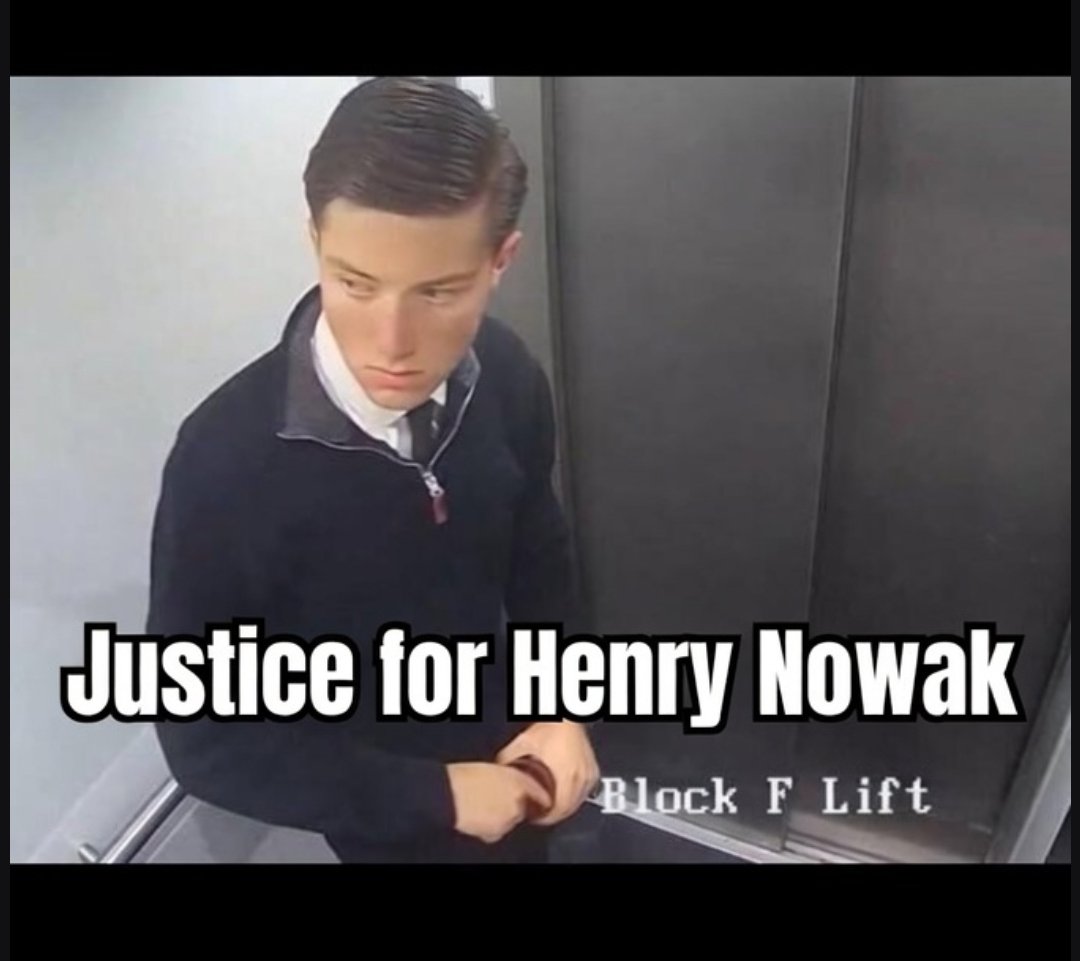
18-year-old University of Southampton student Henry Nowak was fatally stabbed in the early hours of 3 December 2025 while walking home from a night out in Portswood, an incident that has triggered widespread debate about knife crime, street safety for young people, and serious questions over police priorities at the scene.
Henry Nowak, a first-year accountancy and finance student originally from Chafford Hundred in Essex, had been celebrating the end of the semester with friends and football teammates. The British-Polish teenager was heading back to his accommodation when he became involved in a confrontation on Belmont Road.
He suffered four stab wounds, including a deep fatal chest injury that punctured a lung. Emergency services, including an air ambulance, attended the scene, but Henry was pronounced dead despite their efforts. His family remembered him as a kind, talented, and big-hearted young man with a bright future ahead.
Ongoing murder trial at Southampton Crown Court
Vickrum Singh Digwa, 23, of St Denys Road, Southampton, is currently on trial charged with Henry’s murder and possession of a bladed article in a public place. He denies the charges.
Prosecutors have presented mobile phone footage recorded by Henry himself, which captured Digwa approaching while openly carrying a shastar – a ceremonial Sikh blade with an approximately 21cm (8-inch) blade in a sheath. In the recording, Digwa is heard responding to taunts by saying words to the effect of “I am a bad man” shortly before the stabbing took place.
Digwa claims he acted in “self-defence”, stating that a drunk Henry barged into him, used racial slurs, pulled his turban, and behaved aggressively. His mother, Kiran Kaur, 53, also of St Denys Road, denies a separate charge of assisting an offender by allegedly removing the weapon from the scene after the incident.
The trial has heard evidence including CCTV, witness statements, pathologist reports detailing the wounds, and bodycam footage from the police response.
Police response and growing two-tier policing controversy
Bodycam footage shown in court has become central to public outrage. When officers arrived, Henry was visibly injured and leaning against a wall, supported by Digwa’s father. Despite Henry repeatedly telling police he had been stabbed and complaining that he couldn’t breathe, officers handcuffed him after Digwa accused him of racial abuse.
Medical aid was reportedly delayed while officers focused on the racism allegation. Henry only received first aid after he became unconscious and collapsed. He was later pronounced dead at the scene. Critics argue this sequence highlights a concerning pattern in UK policing where accusations of racism from certain groups appear to take precedence over immediate life-saving intervention for the visibly injured party.
This has intensified broader discussions about two-tier policing, with many pointing to a perceived reluctance by officers to prioritise clear medical emergencies when racial claims are involved. Politicians and commentators have called for a full review of the officers’ actions, training, and decision-making processes at the scene. As of the latest updates, no officers have been publicly named or confirmed as facing disciplinary investigation.
Limited coverage from legacy media outlets
One aspect of the case that has drawn additional scrutiny is the very limited international coverage compared to high-profile incidents involving minority victims. While UK outlets like the BBC, Sky News, and local papers have reported on the trial, major global networks such as CNN and other prominent U.S. and international mainstream media have not featured the story, in stark contrast to cases where the victim was black, an illegal immigrant or from a minority group, which often receive sustained global attention and framing around systemic issues. Critics argue this reflects selective outrage and uneven editorial priorities in how violent crimes are amplified based on the demographics of those involved.
Community impact and wider concerns
The case has shocked students in Southampton and communities across the UK, raising fresh alarms about rising knife crime – including the carrying of ceremonial blades in public – and risks faced by young people on nights out. A charity football match held in Henry’s memory raised significant funds, underscoring the affection and promise he represented.
As proceedings at Southampton Crown Court continue, further details are expected to emerge. This developing story continues to fuel important conversations about public safety and equitable policing standards in Britain.
Ask me anything
Explore related questions




