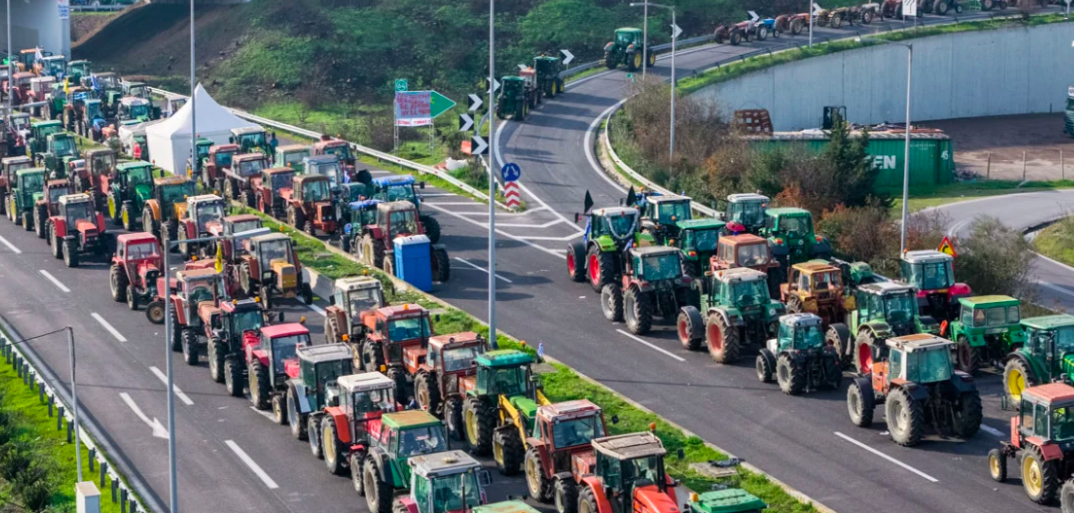
After nearly 30 days of farmers’ mobilizations, differences in position have emerged among road blockades that had previously acted in a coordinated manner. The extent of these differences depends on how many blockades ultimately choose to adopt a different approach and on their level of participation in the mobilizations. In the initial statement expressing interest in dialogue, there were no signatures from representatives of the blockades, raising questions about the timing and manner in which this position was made public. Within farming circles, particularly following the second refusal of a meeting by the Prime Minister’s office, some farmers expressed concern that the absence of dialogue was reducing the effectiveness of the mobilizations.
Others maintained that continued pressure would lead to a response from the government. While such views had been expressed internally, the public announcement that 18 blockades were differentiating their stance marked a change in the situation. Representatives of the Panhellenic Committee of Road Blockades in Nikaia questioned why blockades now adopting a different position had participated in earlier nationwide meetings and accepted the common framework of demands, as well as why they had continued to attend subsequent meetings of the committee. Critical statements were made regarding this development, following nearly 30 days of joint mobilizations. In response, representatives of the blockades, differentiating their position, stated that they had attended meetings as observers and not as members of the Panhellenic Committee.
The leadership of the committee questioned how observers could participate in dialogue with the government and who they would represent, while also noting that there remains time for these blockades to reconsider their position. The leadership in Nikaia stated that this development is not expected to affect plans for further actions after the New Year. Decisions on next steps are expected to be taken at a nationwide meeting likely to be held on Saturday, January 3. Until then, actions such as the opening of toll stations and symbolic closures of service roads are expected to continue. By the following Tuesday, all blockades plan to implement measures aimed at facilitating New Year holiday travel, based on the approach used during the Christmas period. The position adopted by the government after the holidays, while the blockades remain in place on the national road network, is expected to influence whether a meeting between the two sides takes place. In a statement issued following the meeting in Epanomi, participating farmers stated that the issues raised concern not only the agricultural sector but Greek society more broadly and should be presented to the government as they stand.
The statement emphasized the need for constructive dialogue and rejected actions described as procedural or tactical. It also referred to incidents affecting farmers and noted that dialogue should take place without confrontation and with consideration for the national economy. The statement concluded with a call for other farmers to participate jointly in discussions with the government. According to Dimitris Tsilias, a farmer from the Prasina Fanaria blockade and head of the coordinating committee, a number of blockades have stated their readiness to participate in a meeting with the government. These include the blockades of Airport, Evzones (Giannitsa, Paionia–Kilkis), Kerdyllia, Drama–Prosotsani, Bralos, Aiginio (Pieria), Niselio (Imathia), Krya Vrysi (Pella), Mikrothives, Skydra Customs, Mesimeri (Edessa), Chalkidona, Achaia, Feres and Komotini, as well as the islands of the Eastern Aegean and Rhodes, represented through Chalkidona.
Ask me anything
Explore related questions