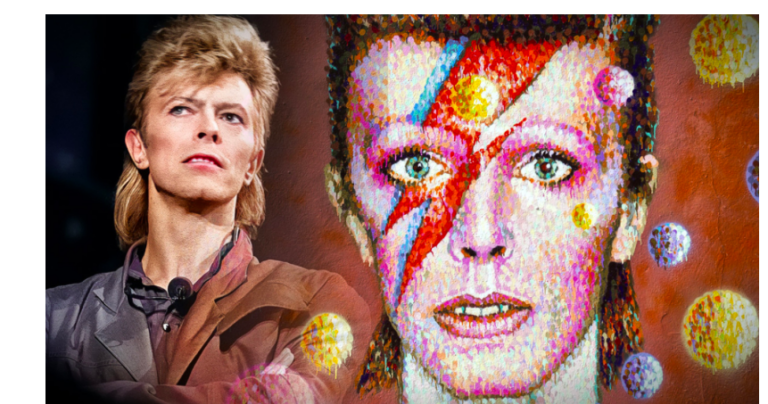
Ten years after his death, a new book—an excerpt of which is published by The Telegraph—reveals how David Bowie kept his illness secret until the very end and how he turned his death into a deliberate artistic act.
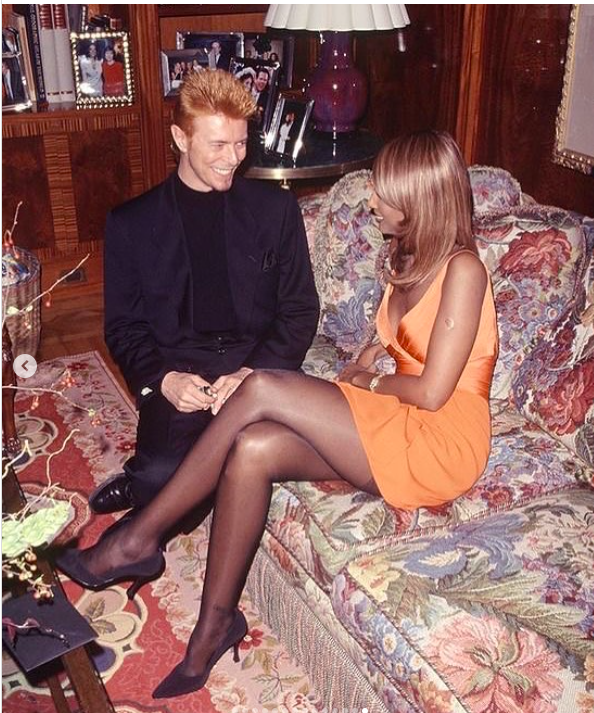
For nearly three years before his death, David Bowie knew that his time was limited. And yet, very few people were aware of it. Exercising absolute control over his public image and maintaining a silence only he could impose, he kept his illness hidden from the world and from many of his closest collaborators.
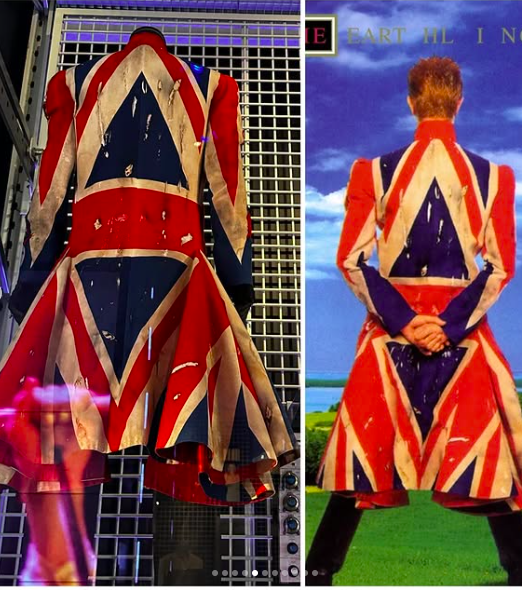
A decade after his passing, a new book documents in detail the final months of the artist’s life, revealing the extent of this secrecy. The Telegraph publishes a characteristic excerpt, shedding light on lesser-known aspects of Bowie’s last creative period, leading up to his death on January 10, 2016.
A Silent Visit to the David Bowie Is Exhibition
When the David Bowie Is exhibition opened at the Victoria and Albert Museum in March 2013—an exhibition that would go on to break attendance records—Bowie himself was absent from the official opening. Months later, however, during a visit known to almost no one, he traveled to London with his wife Iman, their daughter Lexi, and his long-time personal assistant Coco Schwab.
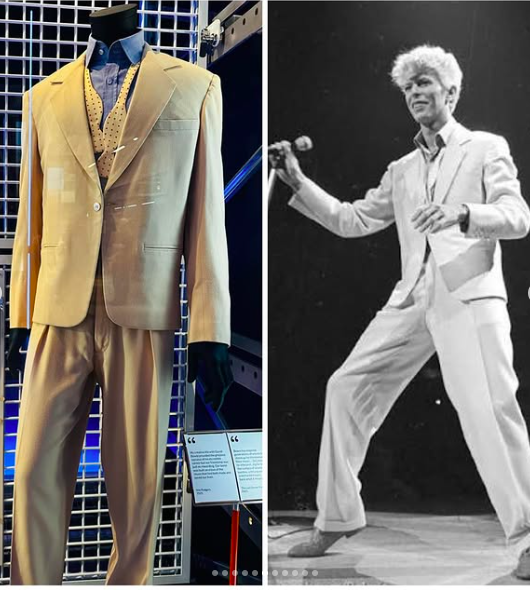
In the early hours of Sunday, July 7, Bowie toured the exhibition privately, guided by curator Victoria Broackes. As she later recalled, he was “deeply moved.” He spent around an hour and a half walking through the galleries, carefully observing the evidence of a life laid out before him: iconic costumes, handwritten lyrics, photographs, notes, and personal objects marking different periods of his career.
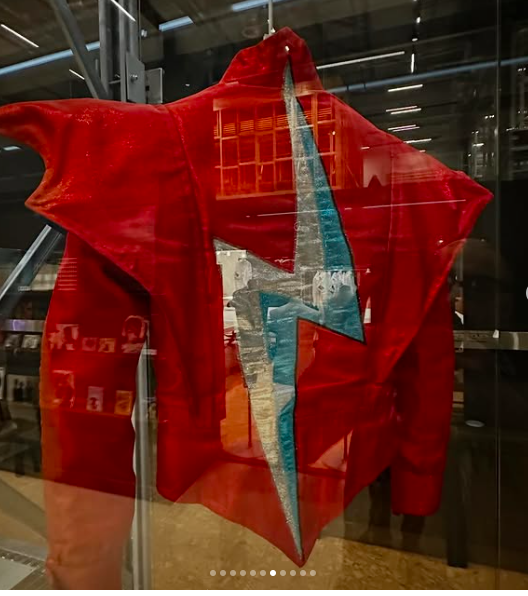
Among the exhibits was the blue suit worn in Life on Mars? video and the handwritten lyrics to Station to Station, preserved exactly as they were written in the 1970s. Alongside these familiar symbols of his artistic legacy were more raw, less idealized reminders of his past: a cocaine spoon from the period of his heavy addiction in the mid-1970s, and a brief, warm note from his “birth twin,” Elvis Presley.

The term was not accidental. Bowie and Presley were both born on January 8—a fact Bowie often mentioned with humor and a quiet admiration for the man who had preceded him as a global music icon. Presley’s note, simple yet heartfelt, functioned in the exhibition as a symbolic bridge between two artists who, despite belonging to different eras and worlds, shared a birthday and the experience of absolute fame.
When Bowie left the museum, 200 people were waiting outside to enter. No one knew that just minutes earlier, the subject of the exhibition had been walking among them.
His Final Return to Britain
Bowie’s trips to Britain during those years were rare and meticulously planned to avoid publicity. For that reason, it came as a surprise when Iman later revealed in an interview that they had visited London that summer without being noticed.

“No one knew we were there,” she said. “We flew into Luton, did different things every day, and even went on the London Eye.” Bowie also visited Brixton, the neighborhood where he grew up, and was photographed outside his childhood home with his daughter. The visit felt like a silent farewell.
When Did He Realize He Was Dying?
Officially, Bowie was diagnosed with liver cancer in the summer of 2014, and it is believed that he learned the illness was terminal in November 2015. However, people close to him suggest he understood the seriousness of his condition earlier. No one, though, is willing to speak openly about it. What is certain is that his final visit to Britain had the character of a goodbye.
A Creative Surge Before the End
In hindsight, the period from The Next Day (2013) to Blackstar (2016) appears to be one of the most productive of his life. Even when he won a Brit Award in 2014, he did not appear in person. Instead, Kate Moss—dressed as Ziggy Stardust—accepted the award on his behalf, while Bowie unexpectedly intervened in the Scottish independence debate, saying: “Scotland, stay with us.”
Lazarus and Confronting Death
His next major challenge was Lazarus, based on The Man Who Fell to Earth. Working with Enda Walsh, Bowie collaborated for a year and a half on a project that evolved into an existential confession.
Despite his health problems, those who worked with him said he “seemed fine.” The same was true during the recording of Blackstar, where producer Tony Visconti recalled that “when he stood at the microphone, he sang as if he were more alive than ever.”
“You Could See a Man with a Broken Heart”
As the illness progressed, very few people knew the truth. But when Bowie appeared at rehearsals for Lazarus, some noticed something different. As director Ivo van Hove said, “If you knew what you were looking at, you could see a man with a broken heart—afraid of the end and of the family he would leave behind.”
The Final Goodbye
Blackstar was released on January 8, 2016. Bowie died two days later. He never saw the album’s global acclaim. Perhaps, though, he already knew: he had turned his death into art.
David Robert Jones was gone. But David Bowie had already entered eternity. In truth, it was something more—a conscious, courageous, and profoundly human farewell. A work of art until his final breath.
Ask me anything
Explore related questions