





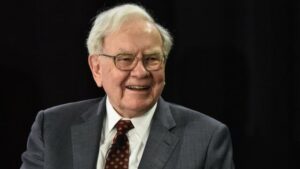
Warren Buffett has stepped down from active leadership of Berkshire Hathaway after six decades, marking the end of an era and the beginning of a new, uncertain yet defining chapter for one of the world’s most powerful business groups. For more than sixty years, Buffett has been the company’s central guiding figure, transforming a struggling textile business into a vast conglomerate with operations spanning insurance, energy, transportation, manufacturing, and financial services, and a market capitalization of hundreds of billions of dollars.
The 94-year-old investor, known worldwide as the “Oracle of Omaha,” has been preparing for succession for many years. Greg Abel, previously head of Berkshire’s non-insurance operations, has been named as his successor. While Buffett has made it clear that he does not plan to retire completely in the near future and will continue to offer guidance, the reality is that the company is steadily entering the post-Buffett era.
This transition is particularly significant because Buffett was not merely a CEO, but the embodiment of Berkshire Hathaway’s corporate philosophy. A long-term investment mindset, avoidance of excessive risk, trust in subsidiary management, and indifference to short-term market fluctuations formed the foundation of the group’s success. The key question now is whether this culture can endure without the direct presence of the man who created it.
Abel is regarded as a different kind of leader—more organizational and operational, with a stronger emphasis on structure and oversight. Although he has expressed commitment to preserving Berkshire’s decentralized model, it is likely that management will gradually become more institutional in nature. At the same time, the company faces major challenges, including managing enormous cash reserves, identifying investment opportunities large enough to materially affect performance, and responding to shareholder pressure for returns through dividends or share buybacks.
Whenever Buffett’s departure is fully completed, it will represent not only a change in leadership, but the conclusion of a singular era in market history. The company’s future success will depend on whether Berkshire Hathaway can preserve its identity without the man who came to symbolize its stability, wisdom, and long-term value creation.
Ask me anything
Explore related questions




