When Russia invaded Ukraine in 2022, it simultaneously sought to pressure Europe by restricting natural gas flows – effectively turning energy into a weapon. However, the increase in liquefied natural gas (LNG) shipments – much of it from the United States – helped ease the pressure. Former U.S. President Joe Biden, after all, could hardly say “no” to Europe’s massive purchases.
Today, however, underlying – yet persistent – tensions between Washington and Brussels could turn Europe’s dependence on American natural gas into a similar point of political pressure, especially given that the U.S. President has a proven track record of using all available “levers” to his advantage.
“We replaced one massive dependency with another,” emphasizes Henning Gloystein, director for energy at Eurasia Group, a political risk analysis firm. “That seemed logical three years ago. Today, it doesn’t.”
The need to import large quantities of energy is one of Europe’s strategic weaknesses. Before the invasion of Ukraine, Russian natural gas was a key pillar for the continent. In 2019, for example, it accounted for more than half of the European Union’s natural gas imports. The vast volumes of Russian gas flowing through pipelines across Ukraine and Poland, as well as beneath the Baltic Sea, collapsed after the attack. Prices soared, putting intense pressure on consumers, industries, and governments.
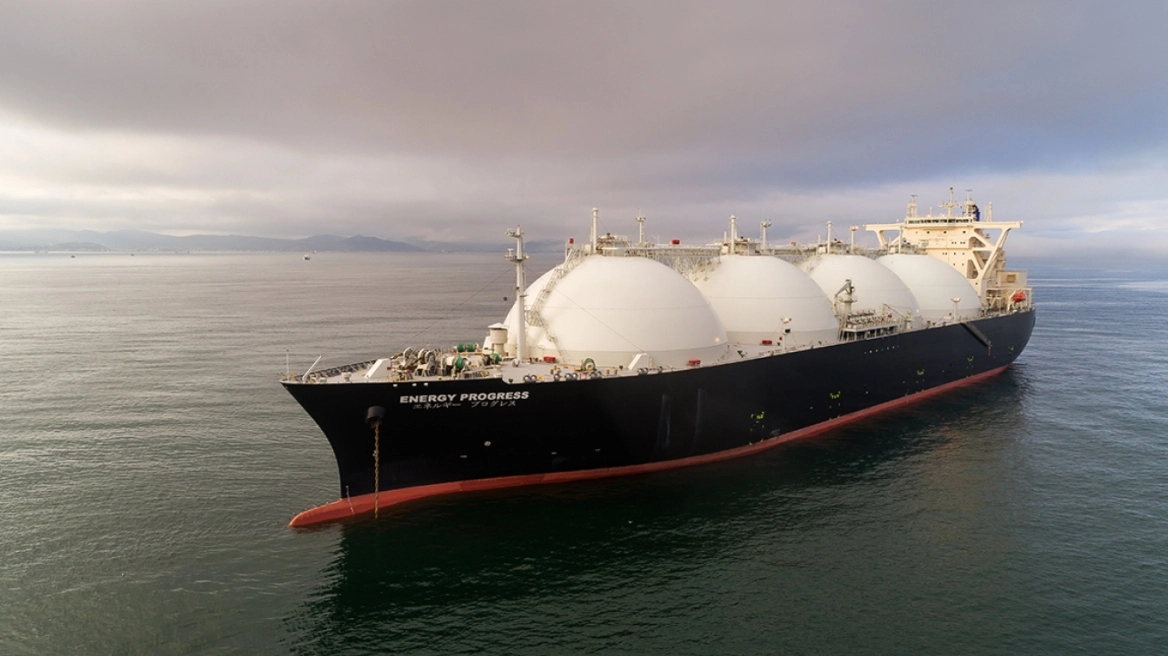
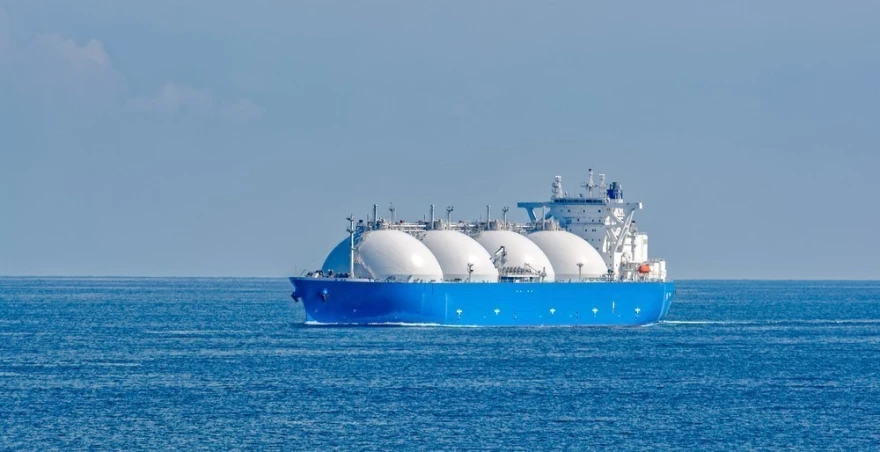
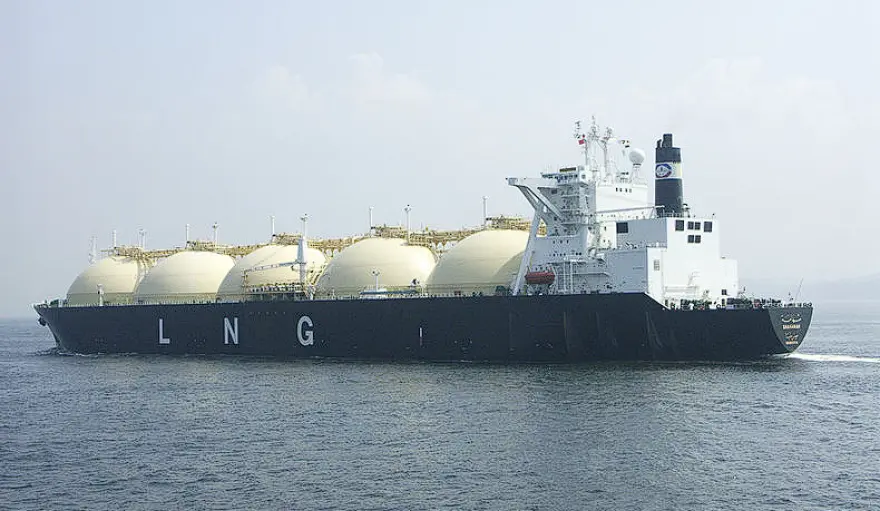
That was when the United States stepped in. Tankers loaded at American terminals carried large quantities of LNG to European ports—mainly in the Netherlands, France, and Belgium—helping replace Russian fuel and calm markets.
Until the end of 2019, the U.S. was a relatively minor supplier of natural gas to Europe, covering about 5% of imports. Since then, its share has risen dramatically, reaching more than a quarter of the European Union’s natural gas imports by 2025.
Not long ago, these flows were considered lifesaving. Today, they are a source of concern. Since the start of his second term, President Donald Trump has sought to use trade as leverage in disputes with other countries, including his recent initiative regarding control of Greenland.
Growing concern in Europe is that Trump could turn the strong position the U.S. has gained in the oil and gas sector into a tool of coercion.
The Trump administration has encouraged this dependence, pressing Europe to increase imports from the U.S. as part of the trade agreement concluded last year with the European Union. In 2025, LNG flows from the U.S. to EU countries increased by about 60% compared with the previous year, according to the Bruegel research institute.
Analysts believe these volumes are likely to increase further. Although Europe is investing in renewable energy sources such as wind and solar, it still needs natural gas for home heating and industrial production.
At the same time, Europe itself is producing fewer fuels, as existing oil and gas fields are being depleted, while countries such as the UK—where production has dropped sharply—are discouraging new drilling.
Europe today seems to have few alternatives
Partly in response to U.S. pressure, Europe is also in the process of gradually phasing out purchases of Russian natural gas, which in 2025 were reduced to about 12% of imports. Norway, though outside the European Union, is the bloc’s largest natural gas supplier, covering about 30% of imports.
The United States is already the world’s largest LNG exporter, with developers investing heavily in new liquefaction and transport facilities. Europe, relatively close by sea to terminals along the Gulf Coast, is a natural destination for these cargoes. China, the world’s largest LNG importer, has largely stopped buying U.S. fuel due to American tariffs.
A positive development for Europe could be the expected wave of increased supply in the coming years, which may push down prices that have so far remained high.
There are, however, voices noting that even if political tensions with Europe escalate further, the Trump administration would be unlikely to take measures such as reducing shipments that would run counter to the interests of the powerful U.S. oil industry. Such a move would clearly send an extremely negative signal to the market and seriously harm the sector’s competitiveness, which the administration has pledged to support.
The U.S. industry differs fundamentally from the Russian one. In Russia, the Kremlin was able to use Gazprom, the state-controlled natural gas monopoly, to weaponize flows in 2022. The U.S. is more likely to redirect flows rather than cut them off entirely.
Other analysts believe Washington could consider measures such as imposing an export tax on natural gas. In any case, intervention in flows is expected to lead to higher costs and prices—an outcome negative for Europe.
Regardless of whatever plans Trump may have to pressure the other side of the Atlantic, Europe today appears to be squeezed asymmetrically from both the east and the west. Options still exist, even if they require capital and effort that, just a few months ago, the Union was unwilling not only to discuss but even to hear about. France, meanwhile, with its extensive use of nuclear energy and its surplus capacity, is “lying in wait” not only to sell to neighbors such as Spain and Italy, but also to invest dynamically itself with its own reactors and technology within those countries.
The current LNG picture
U.S. natural gas futures jumped 20%, surpassing $6.3 per MMBtu (million British thermal units)—the highest level since December 2022—extending a weather-driven rally that has delivered gains of more than 90% since last week. The extreme cold hitting the U.S. has simultaneously strained both supply and demand.
The move follows a nearly 70% increase from the previous week, the largest weekly rise since records began in 1990. Polar temperatures shut in nearly 10% of U.S. natural gas production, while sharply boosting demand for heating and power generation.
Average production in the lower 48 states has so far fallen in January to about 106.9 billion cubic feet per day (bcfd), down from the record high of 109.7 bcfd in December. Daily output dropped on Sunday to a two-year low, near 92.6 bcfd.
Impacts were particularly severe in Texas and Louisiana, where fields were heavily affected, cutting production by more than 17 bcfd compared with mid-January highs. The severe weather also strained power grids and disrupted transportation, while natural gas flows to U.S. LNG export plants fell to their lowest level in the past twelve months.
Markets are now focusing on the duration of production outages. Prolonged disruptions increase the risk of further price increases.
Given all of the above, the selling price to “third parties” such as Europe should be considered fully linked to these developments.
Ask me anything
Explore related questions