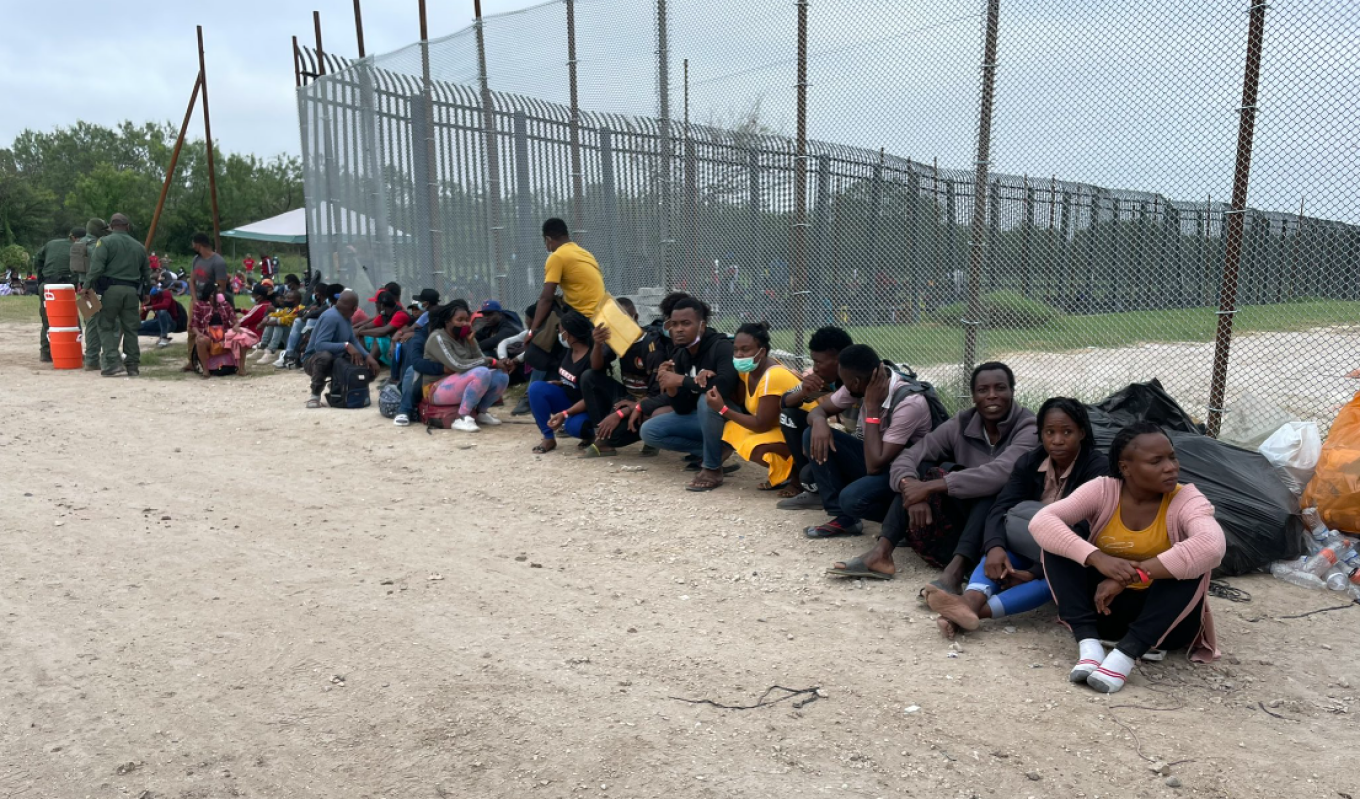
After ICE operations in the United States, fear of deportation has become intense. In a small Ohio town, an informal network of residents has begun housing Haitian families who fear potential ICE raids.
In Springfield, a city of about 58,000 people, more than 10,000 Haitians have settled over the past years. Many of them live and work legally in the U.S. through the Temporary Protected Status (TPS) program, which was created for individuals who cannot safely return to their home countries due to natural disasters or conflicts.
Haitians gained access to the program after the devastating 2010 earthquake, and protection was later extended due to political instability and violence in the country. However, in February 2025, the Trump administration limited the duration of the protection, revoking a previous extension granted under the Biden administration. The decision affected more than 500,000 people nationwide.
Shortly after, authorities moved to fully end TPS for Haitians starting February 3, which could have left thousands exposed to immediate deportation. A federal judge temporarily blocked the decision while lawsuits were pending, but uncertainty remains.
The “informal” homes – shelters
Amid this climate, some Springfield residents decided to help by turning basements, guesthouses, and spare rooms into temporary shelters for families who feared being targeted by immigration authorities.
According to reporting by the New York Times, in one of these homes, a woman around 70, known only as Lee, prepared a room with a small bed, toys, and baby supplies to host a Haitian mother and her one-month-old baby. They had never met before. When they arrived, they embraced at the door before Lee showed them the space where they would stay until the situation became clearer.
The initiative was organized informally by volunteers who vetted potential hosts through personal networks. For safety reasons, participants’ information was not recorded digitally but kept in a small handwritten notebook.
This caution is not accidental. U.S. law considers it a criminal offense to hide or house people who are in the country illegally, with penalties that can reach up to five years in prison. Nevertheless, those involved in the network say they consider the initiative necessary. “Almost everything is in a gray area. This has to be done, even if there are risks,” said one of the organizers.
A community in waiting
As the TPS expiration date approached, many Haitian families began withdrawing from daily life. Students missed school, workers skipped jobs, and churches had noticeably fewer congregants.
The New York Times, reporting from some of these homes, observed parents temporarily sending their children to American friends’ houses, telling them it was a vacation. One family even stocked enough food for a whole month in the basement of a house where they were temporarily staying.
So far, about 240 families have been housed through this informal system. Although the court decision that temporarily blocked TPS termination brought some relief, uncertainty remains. The rooms are still ready, as are the names in the volunteers’ small red notebook. “Whatever happens, we are ready,” says one of the women helping coordinate the network.
Ask me anything
Explore related questions