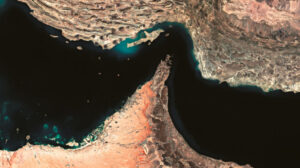
With the closure of the Strait of Hormuz potentially prolonged indefinitely and turmoil in global financial markets intensifying, European countries are preparing for the shockwave that will inevitably follow.
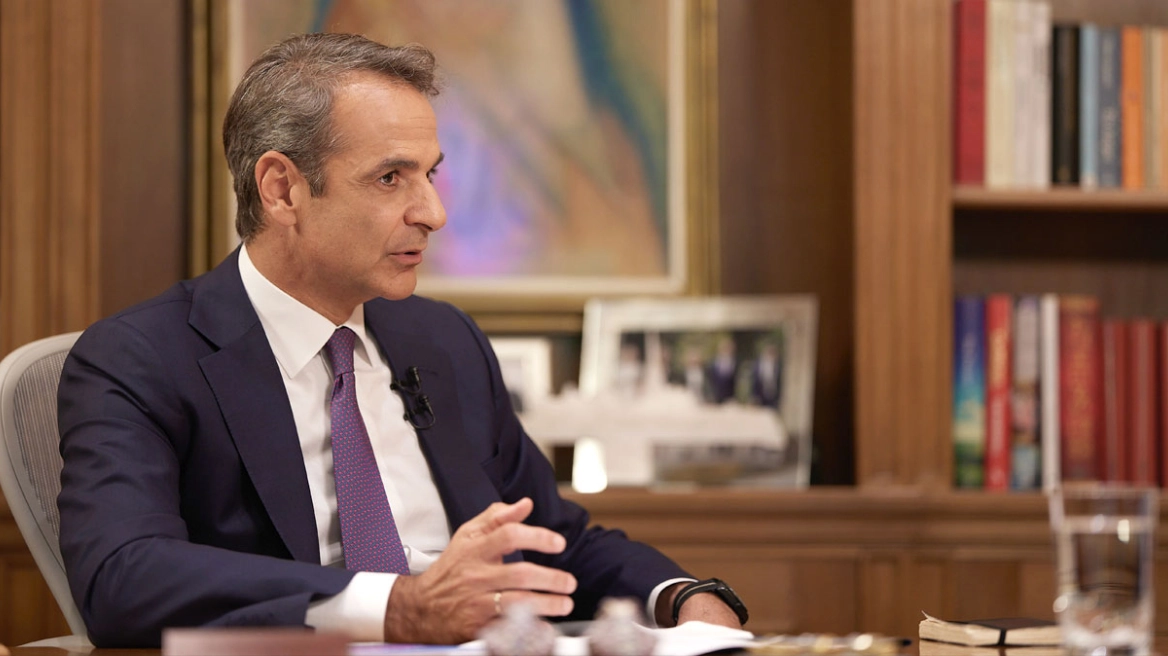
In this environment—and taking into account the 2022 energy crisis—Kyriakos Mitsotakis is already sounding the alarm to his European counterparts, stressing that Europe must learn from past experience and act quickly, allowing member states to implement temporary and targeted measures if the crisis persists.
So far, however, European countries do not appear to be considering a horizontal gas price cap, an idea previously discussed. As noted, the tools already exist from the 2022 “toolbox,” and the government will decide which to deploy and when.
Ahead of the European Council summit next Thursday, Mitsotakis appears more proactive than other leaders regarding the prospect of European coordination, despite Greece being relatively more shielded economically. No economy, however, can remain unaffected by energy market disruption, which will also impact inflation—still a persistent problem for Greek society.
The government has already taken an initial step by imposing price caps on fuel and supermarket goods. As the conflict appears likely to continue, calls are growing for a more comprehensive approach.
Speaking at an event organized by the Ministry of Development on the transformation of the Greek economy, Mitsotakis warned about the consequences of market instability, especially in energy. Athens’ main concern centers on natural gas prices affecting electricity production. He also announced that by the end of March a broader regulatory framework will be introduced to address increased energy costs for industry—an issue under discussion with business groups for months.
At the same time, Agriculture Minister Kostas Tsiaras announced upcoming measures to address soaring fertilizer costs caused by the situation in the Strait of Hormuz. Meanwhile, a sharp clash between Energy Minister Stavros Papastavrou and his Swedish counterpart during an EU ministers’ meeting over energy interconnections also drew attention.
Greek “no” on Hormuz involvement
Despite concerns about prolonged disruption to tanker traffic through the Strait of Hormuz, Athens aligns with the rest of the European Union in rejecting substantial involvement in a U.S.-led mission to secure navigation there.
Although Donald Trump has called on NATO allies to participate, European countries signal they have no interest in becoming involved in the region. They also stress that the mandate of Operation ASPIDES—focused on maritime security in the Red Sea—cannot be changed.
Instead, Greece is open to strengthening this Red Sea mission, especially if more countries join. Currently, Greece and Italy are involved, while France has announced it will deploy forces.
“There is no question of our country participating in an operation in the Strait of Hormuz. Greece participates in Operation ASPIDES, which is geographically limited to the Red Sea and does not concern the Strait of Hormuz,” said government spokesperson Pavlos Marinakis.
Foreign Minister Giorgos Gerapetritis also clarified during the EU Foreign Affairs Council that Greece supports maritime security, but this does not imply consent to changing the status of existing European operations.
Ask me anything
Explore related questions