

In a particularly fragile geopolitical environment, Greek authorities are on constant alert regarding this year’s mission to receive the Holy Light from Jerusalem.
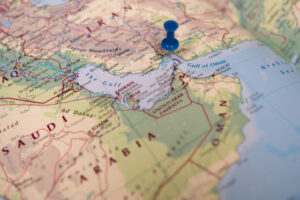
Growing tensions in the region, centered on the conflict involving the United States, Israel and Iran, make the planning of the operation complex and ever-changing.
The Ministry of Foreign Affairs, in close cooperation with the Air Force, has already put in place the basic operational planning for the transition of the Greek mission to Jerusalem and the transfer of the Holy Light to Athens. However, according to diplomatic sources, critical parameters of the mission remain under constant evaluation, with final decisions depending directly on the evolution of the situation on the ground.
Foreign Ministry spokeswoman Lana Zohiou said Greek Minister George Gerapetritis is in constant contact with the Israeli Foreign Ministry.
April 1
is the decisive date.
Interest is turning to Wednesday, April 1, when final decisions are expected to be made on the scope and composition of the mission, as well as on how the Holy Light will be carried.
Reports converge that the Greek presence will be limited, following the pattern adopted during the pandemic, with an emphasis on flexibility and security.
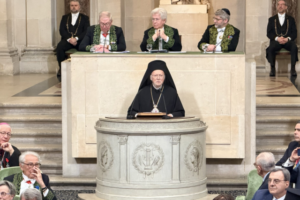
Despite the difficulties, church circles appear cautiously optimistic about the celebration of the Lighting of the Holy Light in the Church of the Resurrection. Metropolitan Bartholomew of Polyani and Kilkis, a representative of the Holy Synod, estimated that the ritual will take place normally, maintaining the continuity of a centuries-old tradition.
He said that the Patriarch of Jerusalem is expected to participate in the sacred services without interruption, although the presence of the faithful inside the Church will be extremely limited. At the same time, he stressed the intensive efforts of the Greek State to ensure the unhindered transfer of the Holy Light, noting that contacts with the Patriarchate of Jerusalem are daily and close.
He also made special reference to the importance of the spiritual dimension of the feast, noting that “the Holy Light is transmitted through faith and prayer, wherever the faithful are,” while calling for calm in view of developments.
Secret restrictions and cancellation scenarios
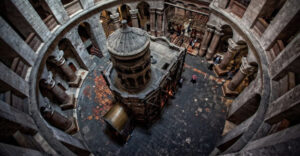
At the same time, Israeli authorities are placing strict conditions on the ceremony. Among the key conditions are the completion of restoration work on the Temple of Resurrection, the availability of suitable shelters in case of emergency and full security guarantees.
The number of attendees inside the Temple is expected to be drastically limited, with a maximum of 50 people, and entry will only be allowed with special permission. At the same time, the relevant authorities are considering overall measures for the Easter events, leaving open even the possibility of cancellation, if the conditions require it.
International consultations and concern in Orthodoxy
The climate of concern is also reflected in international church contacts. Patriarch Daniel of Bulgaria contacted Patriarch Theophilus III of Jerusalem, expressing his deep concern about developments in the region.
For his part, the Patriarch of Jerusalem appeared reassuring, estimating that, despite the unprecedented provocations, Holy Week and Easter services will be held normally, without interruptions.
Ask me anything
Explore related questions