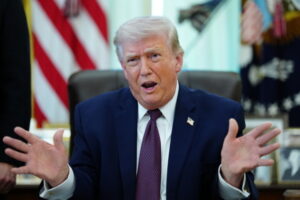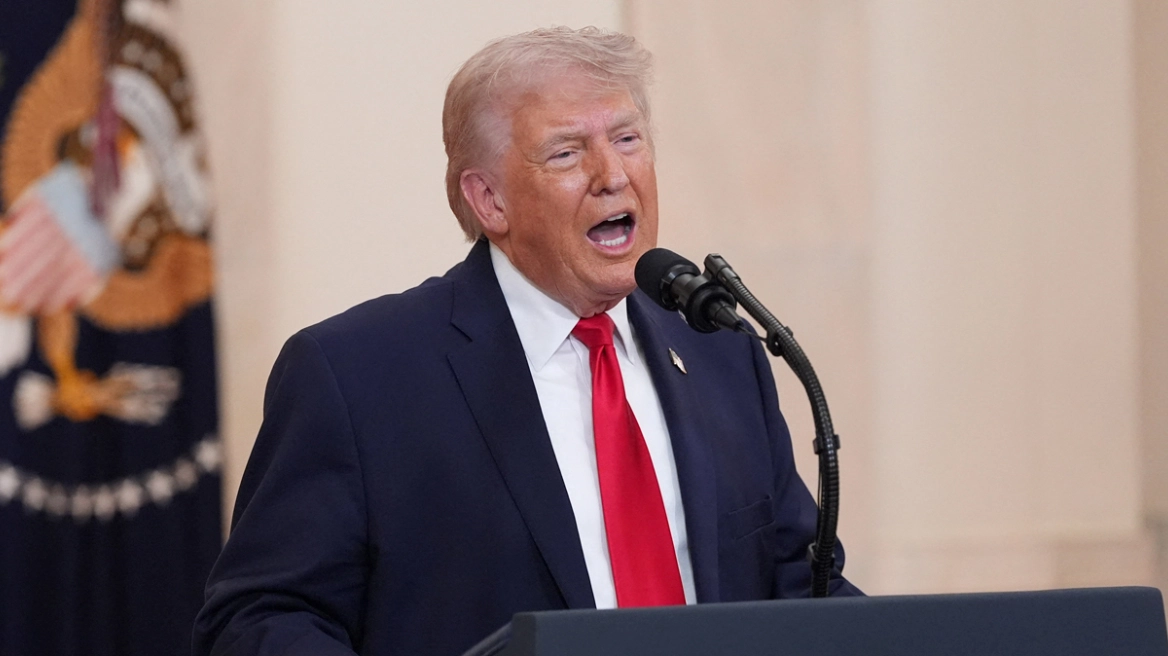
Iran has issued a strong warning that it will not tolerate what it described as a “vicious cycle of war, negotiations, ceasefire, and renewed conflict,” following escalating rhetoric from U.S. President Donald Trump. Tehran’s response came after Trump threatened that Iran could be bombed “back to the Stone Age” if it fails to meet U.S. conditions to end the war.
An Iranian foreign ministry spokesperson stressed that the country will continue to respond militarily as long as attacks by the United States and Israel persist, describing the conflict as unjust and imposed on the Iranian people. At the same time, Iran rejected claims of ongoing direct negotiations with Washington, calling U.S. demands “maximalist and unreasonable.”
Escalation on the Ground and Global Impact
The situation on the ground continues to deteriorate, with Iran launching waves of missile attacks toward Israel, injuring civilians, including children. Meanwhile, Iran-backed groups, such as the Houthis, have warned of further escalation, including the potential closure of key maritime routes like the Bab el-Mandeb strait if regional actors become involved.
Global markets have reacted sharply to the rising tensions. Oil prices surged by around 6%, while stock markets in Europe and beyond declined amid fears of a prolonged conflict. Strategic concerns are also growing over the Strait of Hormuz, a critical artery for global energy supplies.
International Reactions and Uncertainty Ahead
China has called for immediate de-escalation, emphasizing that military action cannot resolve the crisis. Similarly, other international actors have urged restraint as uncertainty continues to weigh on global economic stability.
Despite U.S. claims that the war is progressing successfully, analysts note a lack of clear strategy or exit plan, raising concerns that the conflict may deepen further in the coming weeks.
Ask me anything
Explore related questions