





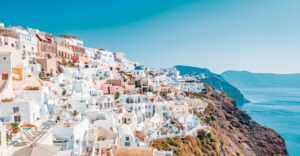
Clear limits on the number of tourist beds in the Cyclades and stricter measures for short-term rental housing in already developed islands are being considered by the government, ahead of the presentation of the new Special Spatial Planning Framework for Tourism, expected immediately after Easter.
The new framework, long awaited by both the tourism industry and the energy sector—due to land-use conflicts with wind and photovoltaic installations—is now in its final stage. According to information, only minor technical and legal details remain before the regulations are finalized and officially presented. Two meetings have already taken place between the political leadership and officials of the Ministries of Environment and Tourism, while a few days ago the issue was also discussed at the Maximos Mansion, where final guidelines for tourism spatial planning were given. Corresponding special spatial plans for Renewable Energy Sources and Industry will follow almost simultaneously, forming key milestones of the Recovery Fund.
Restrictions
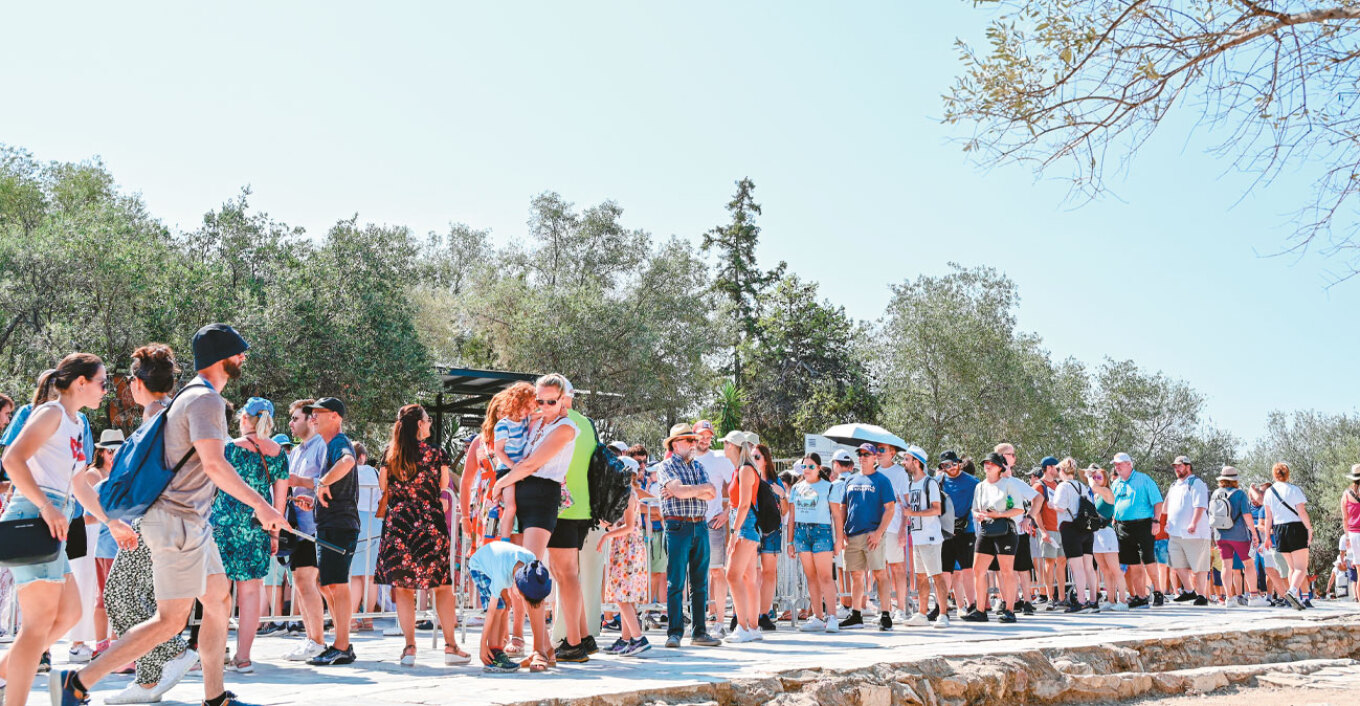
The central axis of the tourism spatial planning is the introduction of quantitative and qualitative limits on tourism development, with particular emphasis on areas experiencing intense overtourism. In the Cyclades, especially on high-pressure islands such as Mykonos and Santorini, but also on smaller islands on an upward trajectory, a reduction in tourist bed capacity is being considered compared to previous planning scenarios. According to sources involved in meetings at the Ministry of Environment and Energy, reductions will range from 20% to 30%.
At the same time, strict restrictions—even bans—on converting new residences into short-term rental accommodation (Airbnb-type) in so-called “red zones” (mature and saturated tourist destinations) are also being discussed. In particular, it is being considered that new building permits may include an explicit ban on change of use for tourism exploitation.

Short-term rentals (Airbnb) are a red flag for tourism businesses, and even the previous draft of the tourism spatial plan had already pointed toward limiting them, aiming to align them with the number of beds in tourist accommodations.
It is estimated that there are currently over 1 million short-term rental properties on the market, based on peak summer 2025 data from the Institute of the Greek Tourism Confederation (INSETE).
Strong pressures
At the same time, hotel beds amount to περίπου 913,000, excluding rented rooms. This, as noted, shows that as many beds as were built in hotels over the past 70 years have effectively been created in just the last 7 years through short-term rentals.
The tourism spatial plan comes at a time of intense pressure on island destinations, particularly in the Cyclades, where even striking cases of unregulated tourism development are being recorded. A characteristic example is Milos, where in recent years entire hotel units appeared without the required licensing framework, with the tolerance—or even support—of authorities, only to later face work stoppages and frozen investment plans.
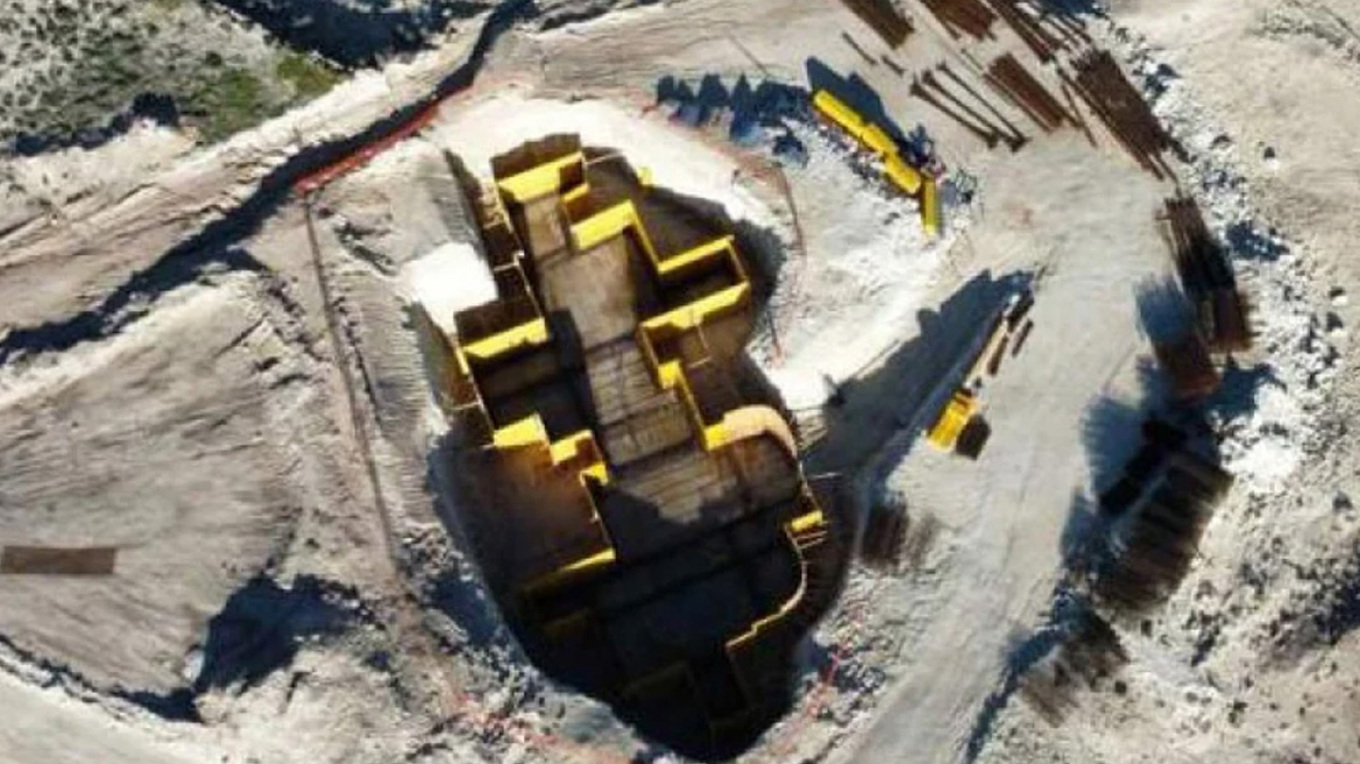
Illegal building permit for hotel in Sarakiniko
The development of large-scale and intensive tourism investments has triggered strong reactions from local communities, which stress that the only way to effectively protect the island landscape is through clear and binding spatial planning.
Excessive construction, the complete lack of the concept of carrying capacity—meaning the number of visitors and infrastructure an area can sustain—as well as the dominance of large and complex tourist accommodations, mainly in off-plan areas, and the need to limit short-term rentals, constitute the main “red lines” of the country’s spatial planning.
“Red lines”
Based on the previous draft of the Special Spatial Framework for Tourism, presented in summer 2024—and not expected to change significantly regarding zoning—the spatial organization of tourist accommodations is structured into five main categories: saturated (or controlled) areas, developed, developing, areas with development potential, and mild development areas.
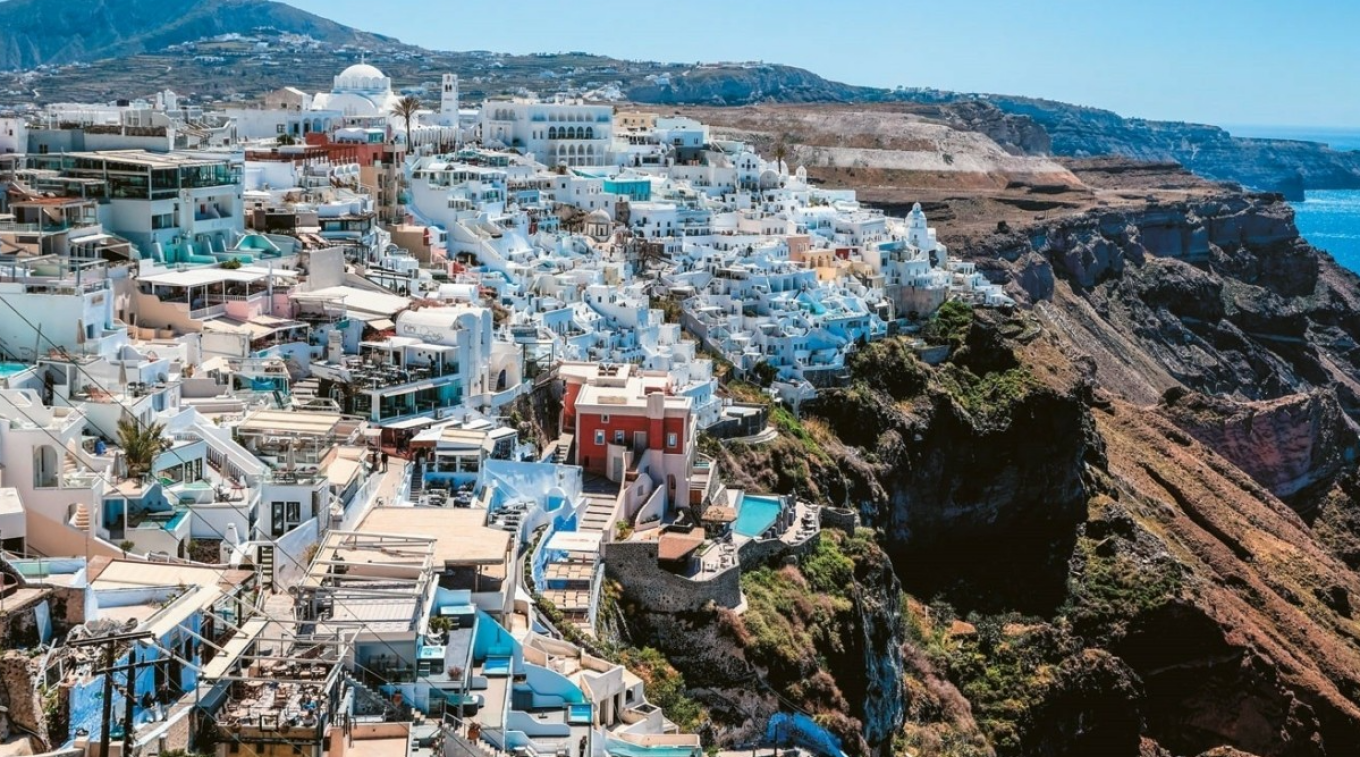
Saturated areas, where strict restrictions will apply, include Santorini, Mykonos, southern Tinos, Malia, Rhodes, Hersonissos (Heraklion), Nea Kydonia (Chania), the coasts of Pieria, Skiathos, Corfu, Zakynthos, eastern Kos, and Ermoupoli on Syros.
The signing of the relevant Joint Ministerial Decision is expected within the next month. The Special Spatial Planning Framework for Tourism has gone through numerous challenges: its drafting began in 2018, was delivered in 2021 to the Ministry of Environment and Energy after major delays, and was put to public consultation in July 2024.
It is worth noting that previous spatial plans from 2009 and 2013 were annulled by the Council of State, leaving a significant institutional gap for years. With the new framework, the government aims to set clear rules, balancing the protection of saturated destinations with the continuation of investment activity.
Photo: Shutterstock
Ask me anything
Explore related questions




