





The ceasefire is hanging by a thread, with Iranian President Masoud Pezeshkian stating that Israeli bombings in Lebanon constitute a violation of the agreement. Tensions continue to escalate as both sides accuse each other of undermining efforts to stabilize the region, raising fears that the fragile truce could collapse at any moment.
Israel announced it had killed a close associate and nephew of Hezbollah leader Naim Qassem, Ali Youssef Harsi, in a strike on a Beirut neighborhood on Wednesday. At the same time, Israeli forces reported eliminating another senior militia commander linked to Hezbollah in Sidon, along with several fighters, while Hezbollah responded by launching around 30 rockets toward northern Israel, most of which were intercepted or caused no damage.
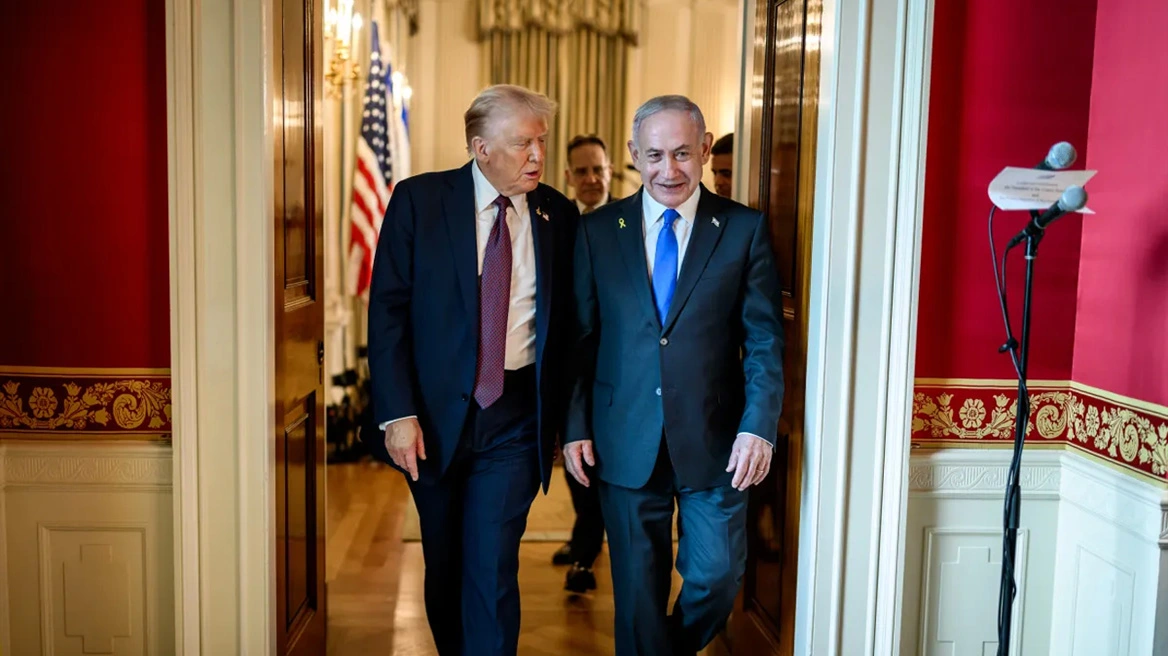
Meanwhile, geopolitical pressure is intensifying. Donald Trump issued fresh threats toward Iran, warning of military action if the “real agreement” is not enforced, while also criticizing NATO. The United Kingdom is pushing for Lebanon to be included in the ceasefire, Spain is reopening its embassy in Tehran, and Iran has urged ships to use alternative routes through the Strait of Hormuz due to mine risks. The broader crisis is also impacting global markets, with energy tensions benefiting oil exporters like Russia and raising concerns about long-term regional stability.
Israel announced that it had killed a close associate and nephew of Hezbollah leader Naim Qassem, with Ali Youssef Harisi reportedly dying in a strike on a Beirut neighborhood. At the same time, Donald Trump issued fresh warnings to Iran, threatening renewed military action if the “real agreement” is not upheld, while also criticizing NATO following his meeting with Mark Rutte.
Diplomatic efforts continue, with the United Kingdom urging that Lebanon be included in the ceasefire and Spain reopening its embassy in Tehran. Meanwhile, Iran has advised ships to alter routes through the Strait of Hormuz due to mine risks, as reports by The Wall Street Journal suggest a broader U.S. strategy to reshape NATO by penalizing some allies and rewarding others, including Greece.
Donald Trump warned that if the agreement is not fully implemented, military action could resume, signaling a potential return to large-scale conflict.
The situation has been further complicated by renewed violence on the ground. Hezbollah launched rockets at Israel, claiming it was responding to violations of the ceasefire, while Israeli strikes continued in parts of Lebanon, raising fears of a broader escalation.
Diplomatic efforts are underway, with Iran sending a delegation to Islamabad for talks based on a proposed peace plan. Meanwhile, both sides have agreed to a temporary two-week ceasefire and are expected to begin negotiations aimed at reaching a longer-term agreement.
International concern is growing, as leaders call for the ceasefire to extend beyond Iran and the U.S. to include Lebanon. European officials have emphasized the need for a comprehensive halt to hostilities across all active fronts in the region.
At the same time, strategic tensions are rising in the Strait of Hormuz. Iran has issued new navigation instructions to ships due to fears of sea mines, highlighting risks to global energy supply routes and contributing to volatility in oil markets.
The humanitarian toll continues to mount, particularly in Lebanon, where heavy bombardments have caused significant casualties. The United Nations has warned that ongoing military activity poses a serious threat to peace efforts, underscoring the urgency of stabilizing the situation.
Ask me anything
Explore related questions




