





Athens is attempting to decode the messages coming out of Ankara in recent weeks, as Turkish media cultivate a constant anti-Greek climate, fueled by statements from Turkish officials, shaping an extremely toxic and dangerous environment in Greek-Turkish relations, in a period of great fluidity and geopolitical shifts in the wider region.
Despite the climate cultivated by Ankara, Athens assesses that Turkey’s nervousness is controlled. This, however, does not mean that vigilance is not required, as it is estimated that Ankara will not miss any opportunity to prove, also on the ground, that criticism from the opposition and the media is unfounded and that it is determined to defend the “Blue Homeland” and what it considers to be the rights of both Turkey and the pseudo-state, as well as to prevent alleged attempts to encircle it by its strategic rival, Israel.
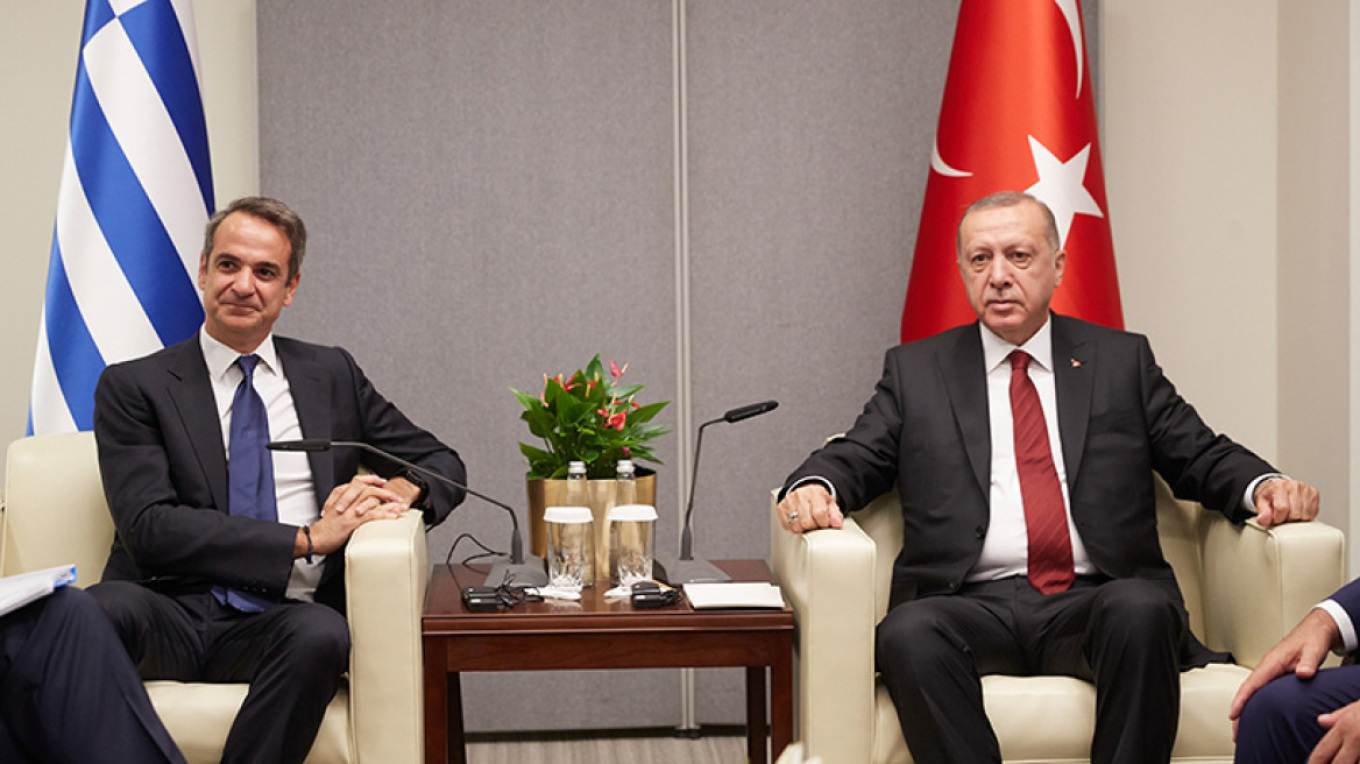
The visit of Kyriakos Mitsotakis to Ankara and his meeting with Recep Tayyip Erdoğan on February 11 did not, of course, manage to give momentum to the process of resolving long-standing issues, first and foremost the delimitation of the EEZ, but it had created expectations for the continuation of “calm waters” and the avoidance of dangerous tensions.
A few days later, the outbreak of war in Iran (February 28) created new data in the region, casting a shadow over Greek-Turkish relations as well, as Turkey seeks through the crisis to claim a hegemonic regional role while also securing a special relationship with the EU, which would mainly include rights and benefits rather than obligations.
The Macron visit
In this context, Turkey observes that developments in Iran are bringing regional changes still under formation and wants, on the one hand, to prevent faits accomplis against it and, on the other, to promote its position in the new environment.
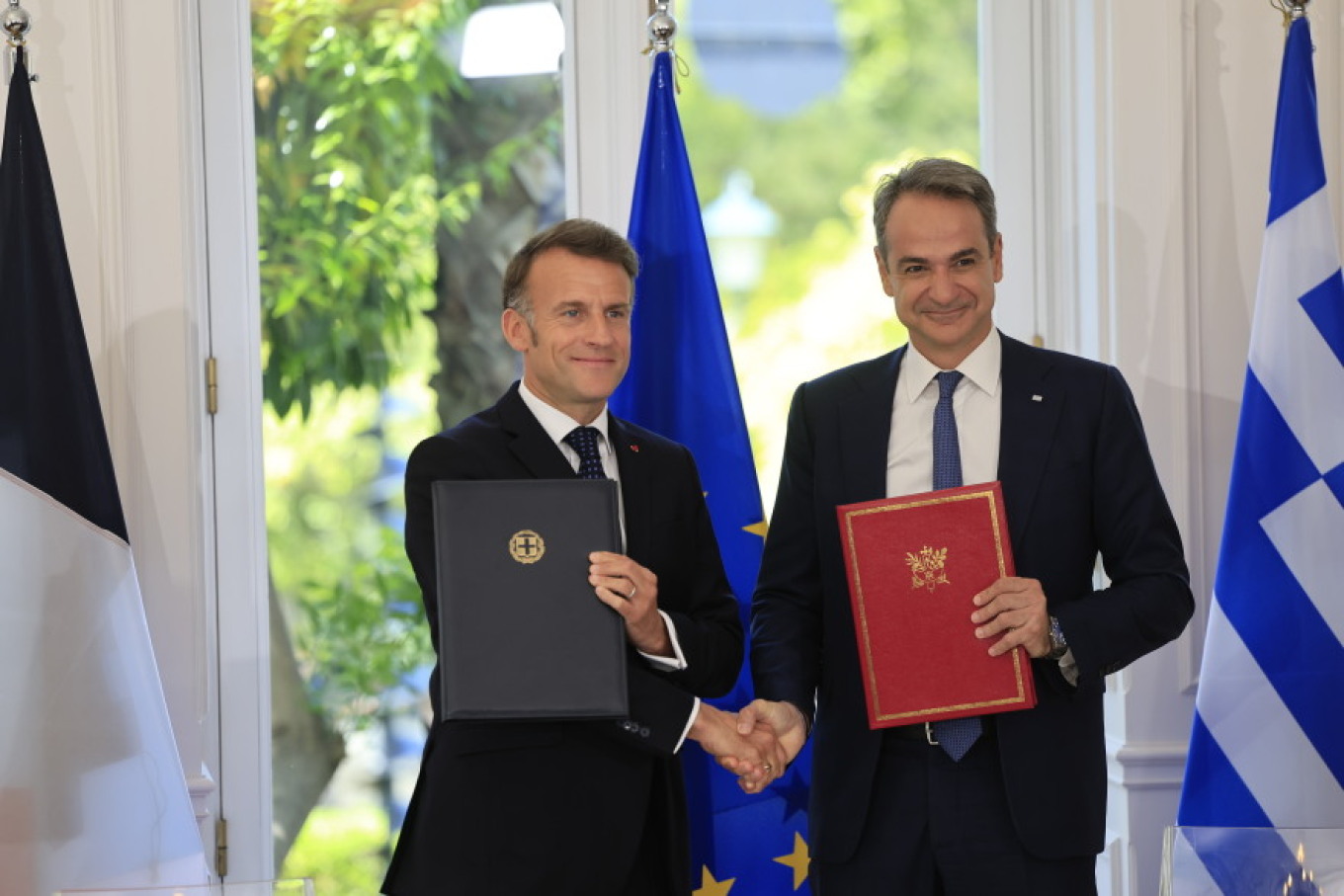
In recent weeks there has been a hysterical reaction from Turkish media against Greece and Cyprus due to cooperation with Israel, which has been demonized by the Turkish leadership. Tensions peaked through government statements and sharp opposition criticism following Macron’s visit to Greece.
The Turkish leadership once again promotes the narrative of an attempt to encircle the country by Israel through “proxies” Greece and Cyprus, as well as the containment of its influence in the Eastern Mediterranean and the Middle East by France.
This narrative found fertile ground not only in nationalist but also in systemic pro-government Turkish media and fueled strong opposition criticism against Erdoğan that he is abandoning the “Blue Homeland” and passively watching geopolitical shifts against Turkey.
As Ankara continuously maintains and reintroduces its claims against Greece, the broader geopolitical shifts add further strategic weight to its revisionist policy.
In recent months it has intensified issues such as maritime jurisdiction in the Aegean and the Middle East, challenges to sovereign rights, demands for the demilitarization of islands, as well as the Turkey-Libya memorandum.
At the same time, it attacks Greece over its relations with Israel and France, while also attempting to play the “European card” dynamically.
The EU solidarity mechanism based on Article 42.7 of the Lisbon Treaty has worried Ankara, as it could potentially provide European defense coverage to Greece and Cyprus in case of conflict.
Intense reactions are also being caused by military movements and infrastructure developments in Cyprus involving Greece, France, and the US, including bases in Paphos and Mari, as well as the planned SOFA agreement allowing French forces deployment.
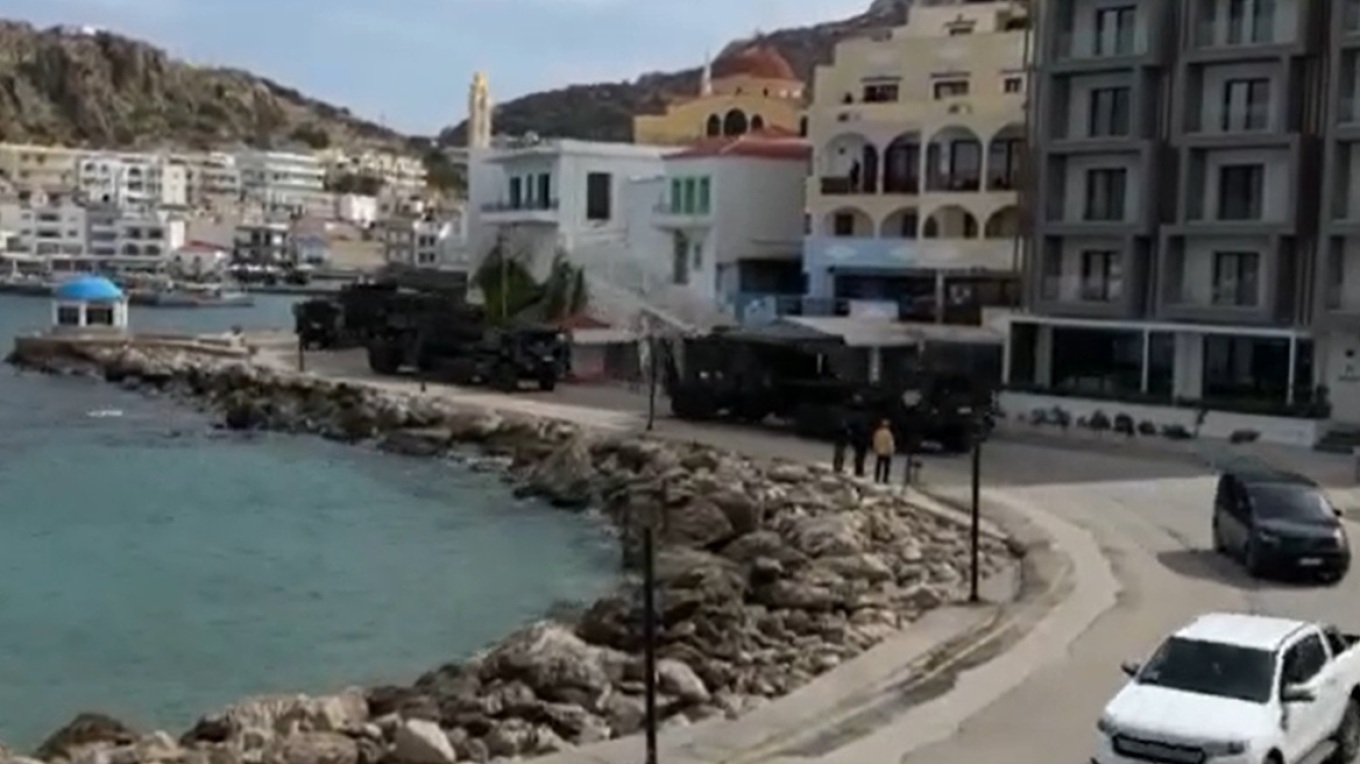
Despite NATO objections from Turkey regarding missile deployments to Karpathos and Lemnos, no result was achieved, contributing to a heightened sense of anxiety in Ankara about possible irreversible faits accomplis.
Turkey is also trying to exploit divisions in the Arab world, seeking alignment with Saudi Arabia and promoting the idea of a “Muslim Alliance,” indirectly opposing Arab states not aligned with it.
It is also closely monitoring Greece’s diplomatic outreach in the Gulf, including relations with the UAE, Qatar, and Saudi Arabia, as well as trilateral cooperation frameworks involving Greece, Cyprus, and Jordan.
For Turkey, rapprochement with the EU remains a priority, but without obligations or constraints, while Erdoğan insists that Turkey is “more useful to Europe than Europe is to Turkey.”
Turkey is also seeking integration with EU defense spending plans while maintaining its independent defense industry strategy and global arms exports, particularly in Africa and Asia.
However, the EU is cautious about deeper strategic alignment with Turkey due to value and policy differences.
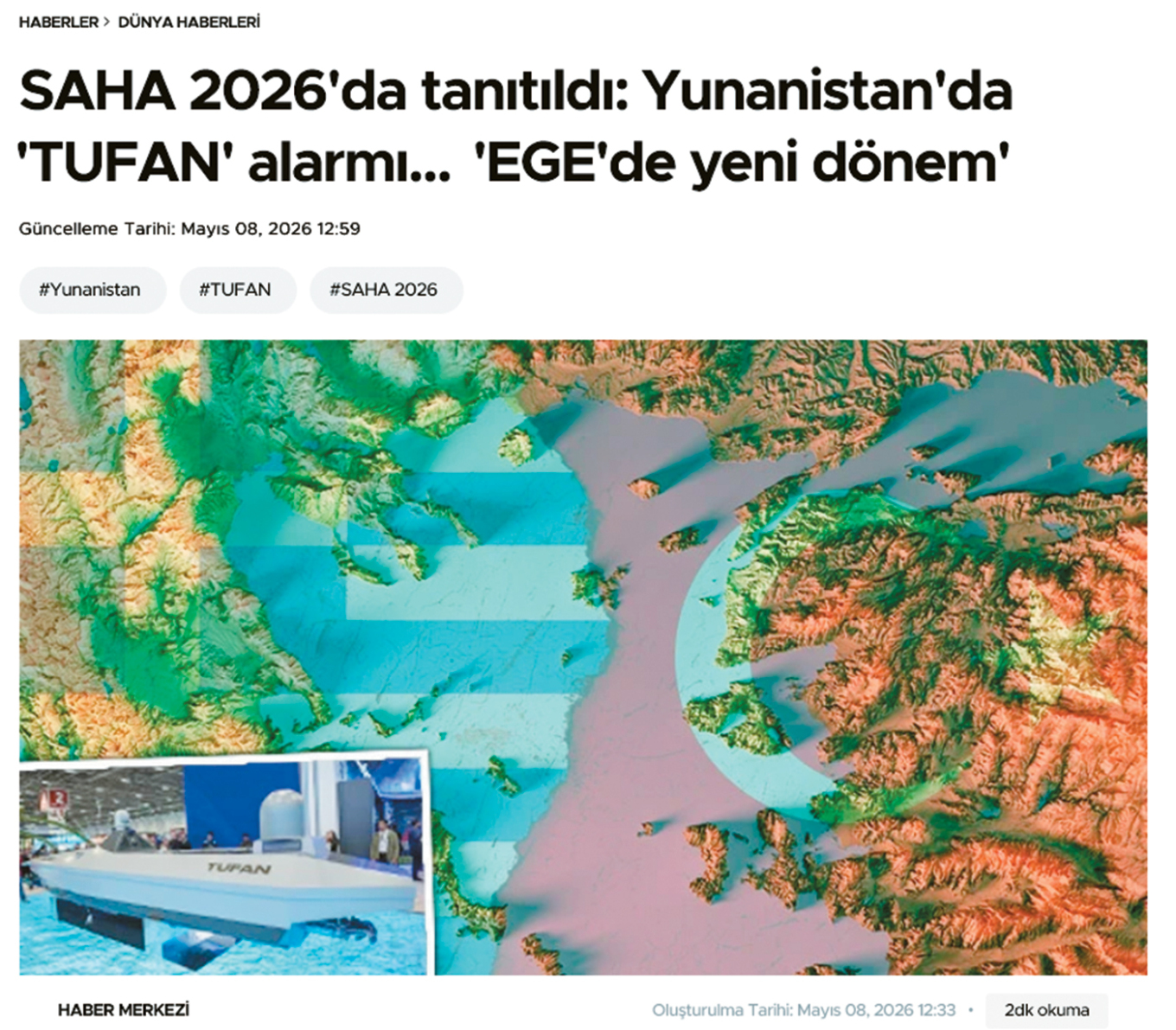
Through major defense exhibitions like SAHA 2026 in Istanbul, Turkey aims to demonstrate military-industrial strength and project influence, presenting new missile systems, UAVs, naval and space technologies, reinforcing both deterrence messaging and export ambitions.
Ask me anything
Explore related questions




