





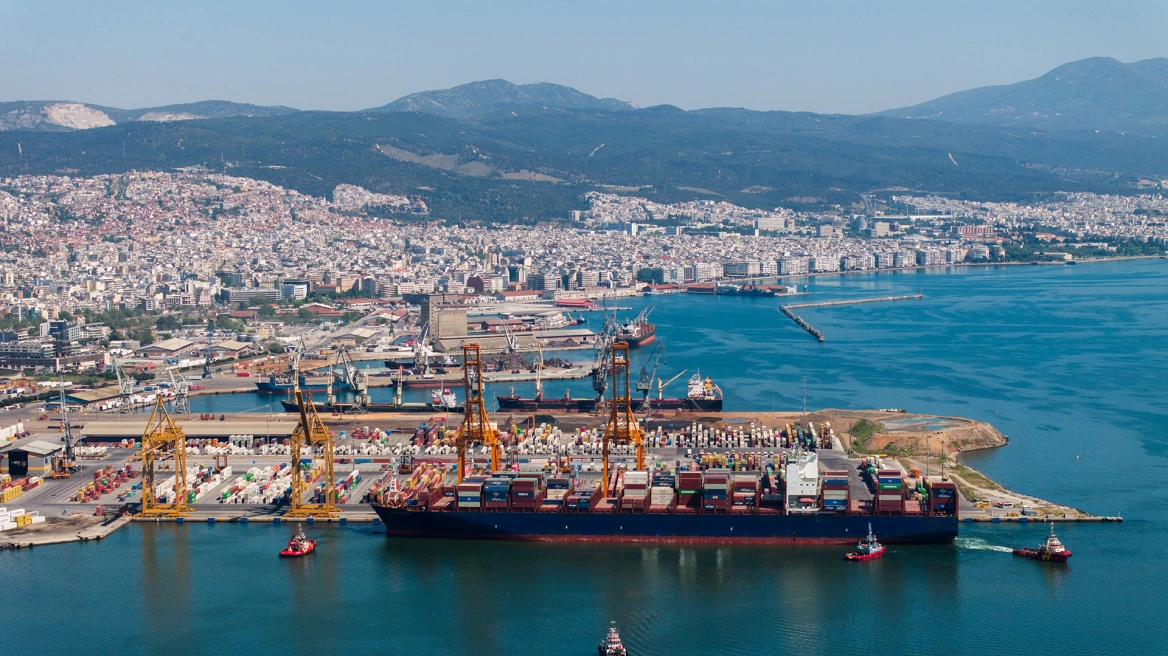
In an era where the competitiveness of cities and regions is increasingly determined by the quality of their infrastructure, strategic investments play a decisive role in shaping the future of development. The 6th Pier of the Port of Thessaloniki is not merely a technical upgrade project, but a pivotal intervention with the power to redefine Northern Greece’s role on the map of international trade and supply chains.
Modern port infrastructure is today one of the most important factors of economic growth, resilience, and competitiveness. It is easy to understand that it does not serve trade and transport alone. It acts as a catalyst for attracting investment, creating jobs, strengthening entrepreneurship, and supporting regional development. In this context, the expansion of Pier 6 is of particular importance for Northern Greece, as it creates strong conditions for the development of the local economy and society.
A project with measurable economic and social impact
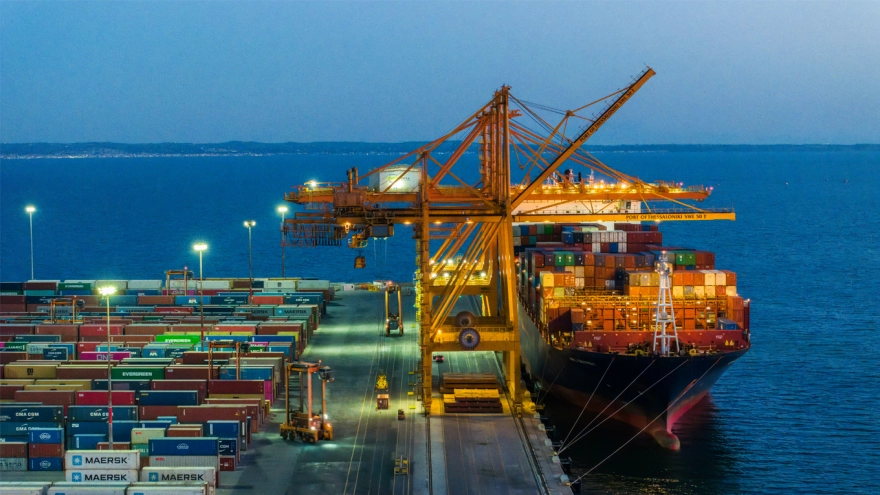
The upgrade of the Port of Thessaloniki’s infrastructure is one of the most significant investments currently being implemented in Northern Greece. Through the expansion of Pier 6, the port’s capacity and operational capability are substantially enhanced, upgrading its role as a modern cargo hub and creating new opportunities for economic activity in Thessaloniki and the wider region.
The economic and social footprint of the investment has been documented in a comprehensive study conducted by Deloitte. According to its findings, during the construction phase of the project, approximately 20,000 jobs are expected to be created and sustained, directly and indirectly, significantly boosting employment in Thessaloniki and Northern Greece. At the same time, the investment is estimated to contribute around €220 million in tax revenues to the state and add €530 million in value to the Greek economy.
The project’s contribution becomes even more substantial during its full operational phase. The new Thessaloniki Container Terminal will more than double the port’s capacity and enable it to accommodate larger container ships. According to the study, after ten years of full operation, the project is expected to support more than 52,000 jobs in total, directly and indirectly, while state tax revenues will increase by €620 million. At the same time, the total added value to the country’s GDP is estimated to reach €1.4 billion.
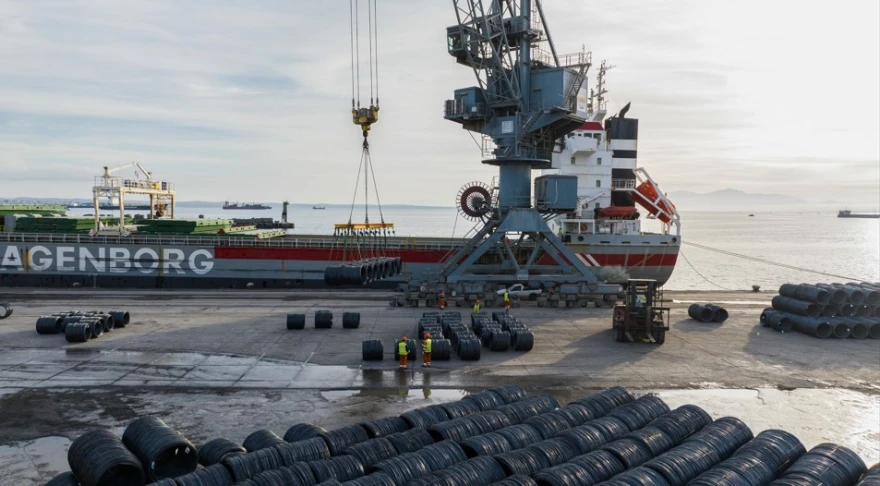
The significance of these figures goes beyond numbers. The jobs associated with the expansion of Pier 6 are a meaningful driver of social progress. They strengthen the local economy, support household incomes, and create new professional opportunities for people in the region. At the same time, they offer young people the chance to find career prospects in their own area, helping retain valuable human capital and reinforcing social cohesion.
The development momentum generated by the Pier 6 expansion goes beyond port activity. It spreads across a wide range of professions, businesses, and services, creating a value chain with multiplier benefits for all of Northern Greece.
Ultimately, the expansion of Pier 6 is an investment with measurable and lasting benefits for both the local and national economy. The new jobs, increased value added, and strengthened economic activity are not just statistical figures—they translate into real opportunities for citizens, businesses, and local communities.
With a strong development footprint and clear social returns, the expansion of Pier 6 marks a new chapter of opportunity for Thessaloniki and Northern Greece. It is an investment that not only reshapes the identity of the port, but also broadens the horizon of sustainable development in the region, strengthening employment, productive capacity, and Greece’s overall position in global supply chains.
Ask me anything
Explore related questions




