





Signs of normalisation are now emerging in navigation through the Strait of Hormuz, as tanker traffic has increased significantly just hours after the signing of a preliminary agreement between the United States and Iran to end the war that had caused severe disruption in global energy markets.
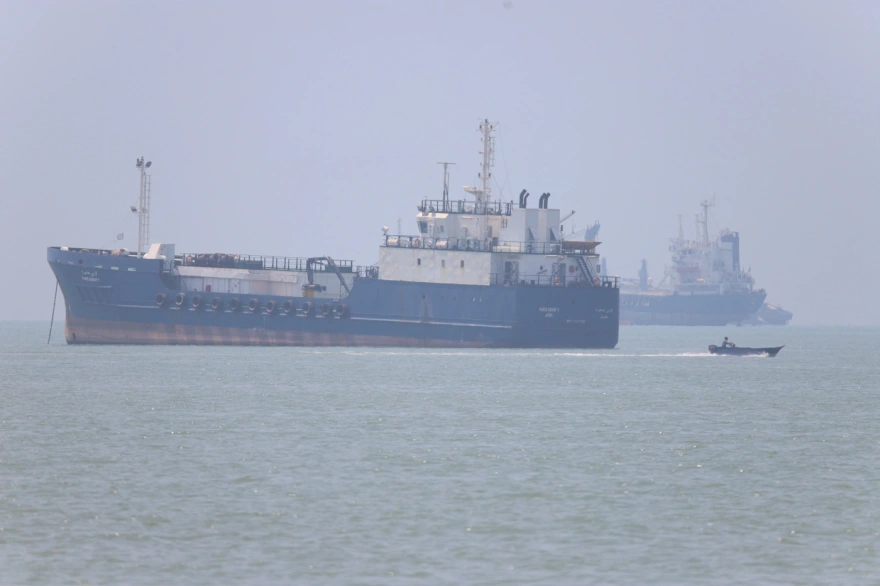
According to vessel tracking data, seven ships have passed through the Strait. Four cargo ships, one LNG tanker under the French flag, and one liquid asphalt tanker registered in the Cook Islands all exited the Strait heading towards the Gulf of Oman. Another vessel, the Starway, sailing under the Panamanian flag, entered the Strait en route to the Persian Gulf.
With a capacity of over 46,000 tonnes of oil, the Starway deactivated its AIS transponder, effectively making itself invisible — a tactic that has become more common since the initial closure of the Strait in March.
During the conflict, Saudi Arabia had diverted a large portion of its oil exports via the port of Yanbu on the Red Sea, as the effective disruption of traffic through the Strait of Hormuz had left hundreds of millions of barrels of oil stranded in Gulf waters.
Positive signs have also been recorded in the liquefied natural gas (LNG) market. The LNG tanker Mraikh, linked to QatarEnergy and operated by the French subsidiary of Norway’s Knutsen OAS Shipping, exited the Gulf through the Strait carrying a cargo from Qatar bound for Pakistan. It is one of only 15 LNG vessels to have left the Gulf since the start of the conflict.
At the same time, the tanker Tong Lin Wan, sailing under the Hong Kong flag, also passed through the Strait of Hormuz en route to Singapore, carrying naphtha from the Ruwais refineries in the United Arab Emirates. Another vessel in the same category, the Ye Chi, operated in the area near Iran’s Larak Island, although it did not continue its journey.
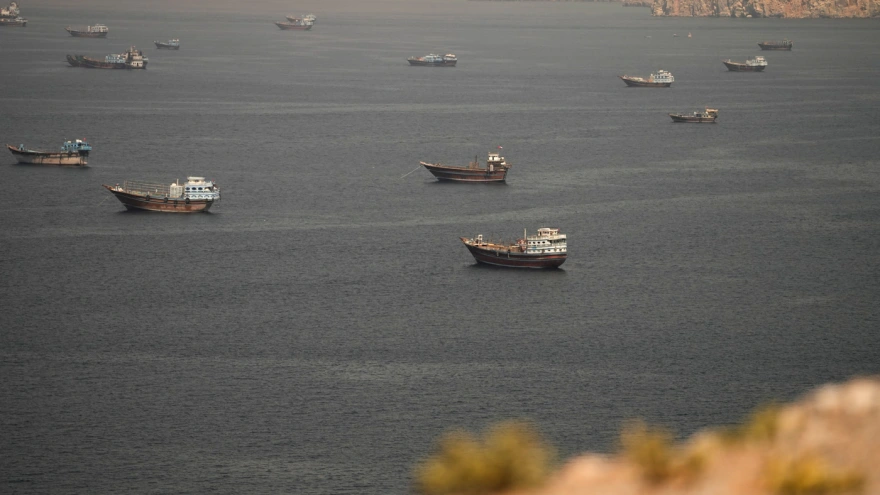
In addition, three tankers were loading oil near the port of Fujairah in the United Arab Emirates, outside the Strait, with two already departing towards European destinations. Fujairah had previously been targeted in Iranian attacks during hostilities that began on 28 February.
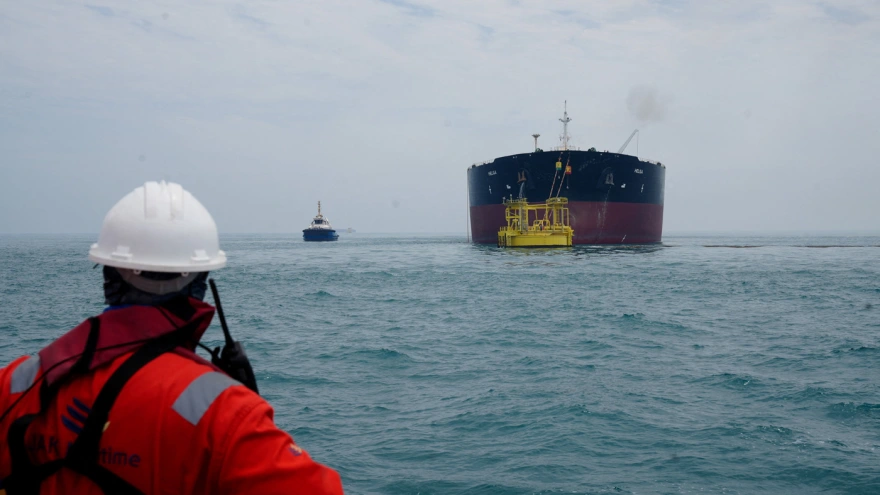
Despite the increased activity, shipping and insurance market executives remain cautious. INTERTANKO, which represents independent tanker owners worldwide, has called for clear guarantees regarding navigational safety and the immediate launch of demining operations, stressing that vessels must be ensured they will not once again become targets of attacks.
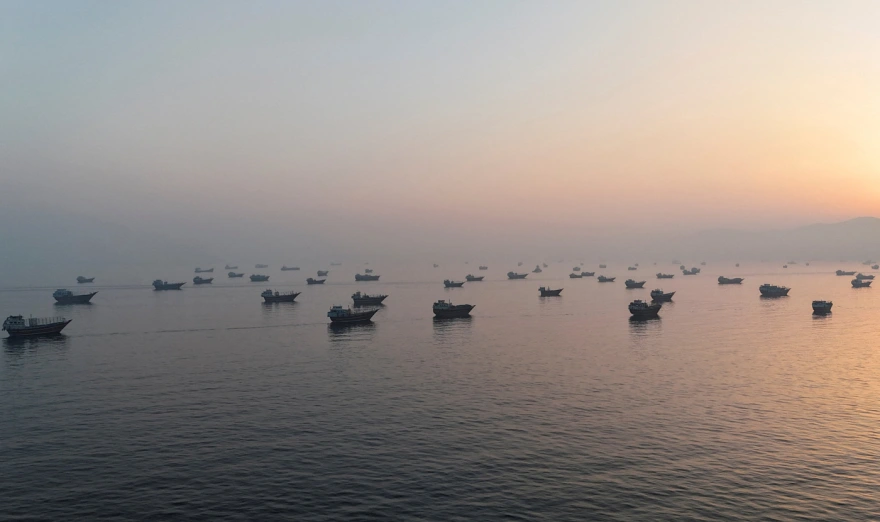
A similar position was taken by London-based Lloyd’s Market Association, which noted that significant questions remain regarding sanctions, anti-terrorism legislation and transit fees. Market participants say that restoring confidence and fully returning commercial shipping to pre-war levels is expected to be a long and complex process.
Ask me anything
Explore related questions




