





Russia announced today that it will ban exports of diesel and that it will begin importing petroleum products in July, following a series of other restrictive measures it has taken in recent months to address shortages of fuel, which have been caused by Ukrainian strikes.
The Russian Deputy Prime Minister Alexander Novak stated that the fuel situation remains “complicated” and that “it is clear that the current situation at gas stations is causing concern among the public.”
“Today, the ban on diesel exports went into effect, which will allow for increased supplies to the domestic market,” said Alexander Novak during a meeting with President Vladimir Putin on addressing this crisis.
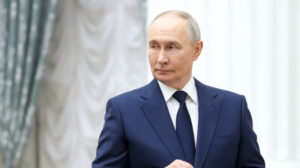
President Vladimir Putin stated that Ukraine is “trying to damage the economy” of Russia and “create a climate of anxiety within society” but he assured that Ukraine will not succeed in this, as “the safety margin of the Russian energy grid is very high.” Russia’s energy system is one of the strongest in the world, he said. Russia is taking these measures as part of restrictions aimed at addressing widespread gasoline and diesel supply problems, Novak said during a government meeting broadcast on television.
Drivers in many regions are lining up outside gas stations and facing hours-long waits to refuel their vehicles, as intensifying Ukrainian attacks on Russian energy infrastructure are limiting supplies of diesel and gasoline.
Russia, one of the world’s largest oil producers, has already banned exports of certain types of gasoline for cars and jet fuel.
Ask me anything
Explore related questions




