





Lebanon and Israel concluded their talks today in Rome, held under U.S. mediation, with an American official saying that progress had been made toward implementing a plan that could lead to the beginning of an Israeli troop withdrawal from certain areas of southern Lebanon within days.
The two long-time adversaries held ambassador-level talks at the U.S. Embassy in Rome on Tuesday and Wednesday. It was the sixth round of direct negotiations since the resumption of the war between Hezbollah and Israel on March 2, amid the U.S.-Israeli war with Iran.
Under a framework agreement reached on June 26, Lebanon and Israel agreed to implement a “pilot zone” plan that would include the disarmament of armed groups — an apparent reference to Hezbollah — as well as the deployment of Lebanese soldiers in the south and the gradual withdrawal of Israeli forces that continue to occupy Lebanese territory.
However, deadly Israeli strikes have continued, and Hezbollah has rejected the agreement and efforts to disarm the group.
Israel, meanwhile, has stated that its military will remain in southern Lebanon for as long as Hezbollah remains armed.
In written statements distributed to journalists, a U.S. official described the two days of talks in Rome as “productive and positive.”
“We agreed on the structure and guidelines for the pilot zone process, which will be finalized and implemented in the coming days,” the official said.
The official added that the talks would move into a technical phase aimed at implementing the framework agreement and reaching a “comprehensive agreement between Israel and Lebanon.”
There was no immediate comment from either Lebanon or Israel regarding the progress made during the negotiations.
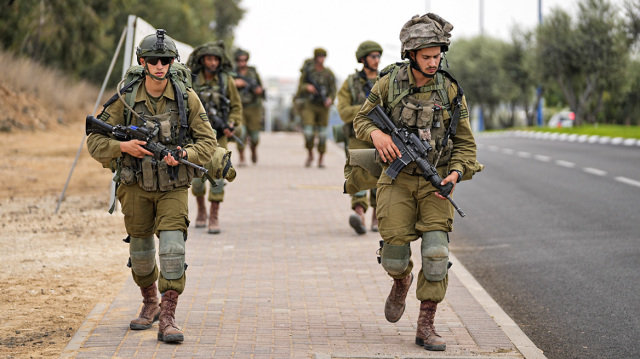
The Israeli military has taken control of what it calls a “buffer zone”, extending approximately 10 kilometers along the Lebanon-Israel border. Israeli officials say the zone is necessary to protect communities in northern Israel from attacks launched by Hezbollah.
Lebanon has called on Israel to begin withdrawing immediately, but Israel has said its forces will remain in southern Lebanon as long as Hezbollah remains armed.
Ask me anything
Explore related questions




