





The global diesel market is facing one of the biggest disruptions in recent years, as two separate geopolitical crises simultaneously squeeze fuel supplies and reshape the trading patterns of the refined petroleum products shipping sector.
On one side, Russia has suspended diesel exports until the end of July, while continued Ukrainian attacks on refineries have significantly reduced the country’s production capacity. On the other, the renewed escalation of tensions between the United States and Iran in the Strait of Hormuz continues to restrict product exports from the Persian Gulf, creating a double shock for the market.
Russia’s role is particularly significant, as it accounts for around 9% of global seaborne diesel trade. According to analysts, its exports have fallen to their lowest levels in a decade, while damage to around 20 refineries is making a rapid recovery in production difficult. At the same time, the summer season is increasing domestic consumption due to agricultural activity, strengthening expectations that the export ban could be extended beyond July.
Meanwhile, diesel exports from the Middle East remain significantly reduced due to the crisis in the Strait of Hormuz. Although a slight recovery in tanker transits was observed in recent weeks, the renewed military tensions threaten to reverse this trend once again.
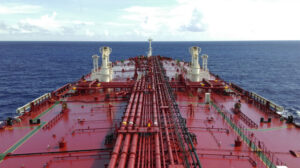
These developments are having a direct impact on the petroleum product shipping sector, as diesel accounts for approximately one-third of the total cargo transported by product tankers. Traditional trade routes are being reshaped, with the United States taking on a greater role in supplying the market. However, American refineries are already operating close to full capacity and have limited room to increase production further.
Ask me anything
Explore related questions




