





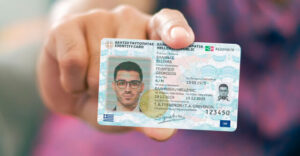
As of today, 3 August, old-style police identity cards can no longer be used for travel abroad, as the familiar “blue” ID cards are no longer accepted as travel documents – even for trips within the Schengen Area – since they lack the modern security features and machine-readable zone required under European standards.
Citizens planning to travel abroad must now hold either the new-type police ID card or a valid Greek passport.
The change has recently sent thousands of citizens to police stations to apply for new ID cards, significantly driving up demand for available appointment slots.
To improve service for the public, the Ministry of Citizen Protection has reinforced ID Issuing Offices and extended their opening hours. According to ministry figures, since 4 July the number of available online appointment slots has risen by 28%, while processing time per citizen has fallen from 22 to 14 minutes. More than 4.15 million new ID cards had been issued by 31 July.
Old-style ID cards remain valid as proof of identity for all transactions within Greece. The change applies solely to their use as travel documents for trips abroad.
Steps to apply for the new ID card
The new ID card is issued by appointment, booked online via the dedicated platform id.gov.gr, where citizens can choose any ID Issuing Office nationwide, regardless of their place of residence, as well as their preferred day and time. The same platform also allows appointments to be amended or cancelled.
When attending the appointment, citizens must have arranged payment of the required electronic fees in advance, and a digital photograph is also needed. This photo can either be taken on the spot at the police service or uploaded via the myPhoto app by a certified professional photographer, so that it can be retrieved electronically during the issuing process.
At the police service, applicants complete and sign the application form and sworn declaration along with the ID card application itself, while the necessary civil registry details are retrieved automatically via the Ministry of the Interior’s “Citizens’ Registry” information system, meaning no supporting certificates need to be submitted by the applicant.
An electronic fee of €10 is required to issue the new card, covering the cost of the card itself, printing, personalisation and secure delivery. For citizens with large families, the fee is reduced to €5, with an additional €0.50 Hellenic Police stamp duty also applying.
According to the Ministry of Citizen Protection, the estimated time from submitting the application to collecting the new ID card is around seven days.
Once issued, connected public services – including the Independent Authority for Public Revenue (AADE) and the gov.gr Wallet – are automatically updated via the Interoperability Centre. However, updating details with private organisations such as banks, telecoms providers or employers requires action from the citizen themselves.
Ask me anything
Explore related questions




