





Following targeted interventions after the public consultation, the new Special Spatial Planning Framework for Tourism has been enacted. It classifies areas of the country according to tourism pressure and defines the conditions for the development of new hotel and tourism investments.
From changes in areas with the highest levels of tourism development and new incentives for border regions, to facilitating the use of traditional and listed buildings, the new Special Spatial Planning Framework for Tourism incorporates the main observations submitted during the public consultation.
At the same time, it maintains the possibility of “mild development” through special urban planning schemes, under strict conditions and following approval by the Council of State. Through these interventions, the Ministry of Environment and Energy and the Ministry of Tourism proceeded with the establishment of the new Special Spatial Planning Framework for Tourism, which aims to become the main tool for the spatial planning of tourism development in the coming years.
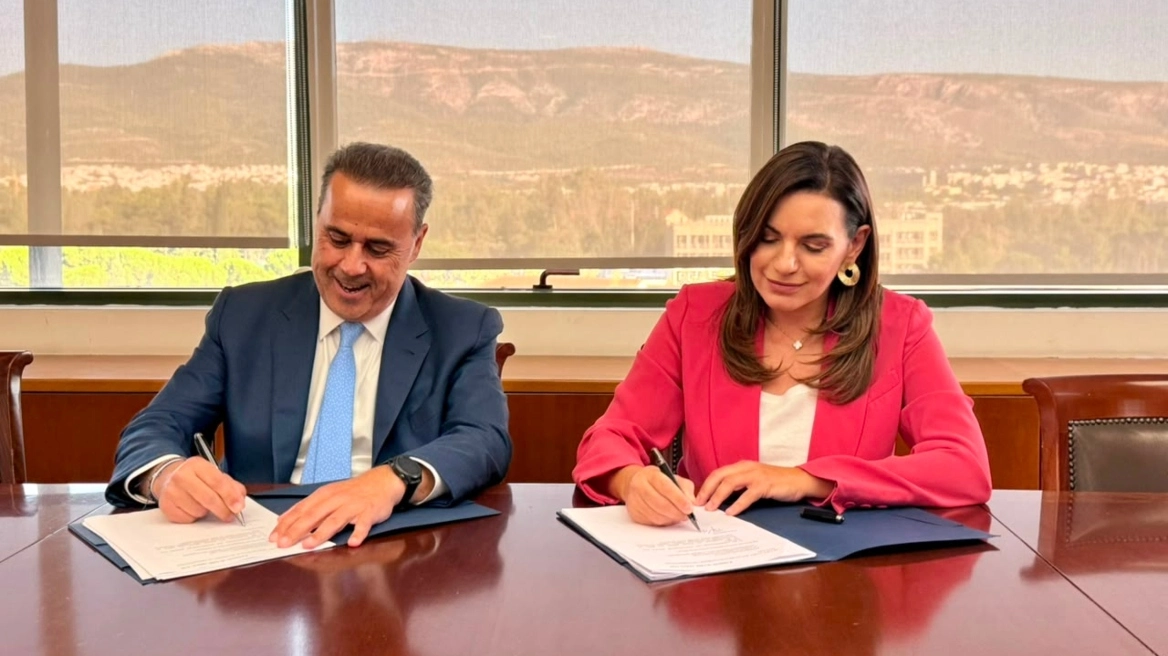
The most significant changes incorporated into the Joint Ministerial Decision (KYA) signed today by the co-responsible ministers Papastavrou and Kefalogianni concern the Controlled Development Areas (Areas A), meaning destinations with the highest concentration of tourism activity in the country. At the same time, provisions for Special Development Areas (Areas E) were strengthened, including, among others, border regions, with the aim of creating stronger development incentives.
In addition, the use of already designated traditional and listed buildings is being facilitated, even in areas where stricter restrictions apply to new tourism investments.
The final text also retains the possibility of “mild development” through special urban planning schemes, with a maximum building coefficient equal to half of the one currently applicable in each area. This provision will only be activated after the preparation of specialized studies, the completion of a Strategic Environmental Impact Assessment, a public consultation process, and the issuance of a Presidential Decree following review by the Council of State.
New Rules for Tourism Investments
The new framework introduces unified rules for the siting of hotels and tourism infrastructure, aiming for the sector’s development to take place in a more organized and sustainable manner, while also protecting the natural environment, local communities, and the unique character of each area.
A central element of the planning is the classification of the entire country according to the intensity of tourism activity. Areas are categorized into zones A through E, while islands are divided into three groups, with the main criterion being the number of tourist beds in relation to the size and permanent population of each municipal unit.
This classification determines, in practice, the conditions for the development of new tourism investments, affecting minimum land-size requirements for new hotel units, maximum bed capacity, and the rules for protecting the natural and cultural environment.
At the same time, stricter rules are introduced for coastal zones, aiming to preserve the natural landscape and limit uncontrolled construction, particularly in areas already experiencing significant tourism pressure.
According to the government, the Special Spatial Planning Framework for Tourism addresses a long-standing institutional gap, creating greater legal certainty for investments and providing clear guidelines for urban planning in the coming years.
Clear Rules
The Minister of Environment and Energy, Stavros Papastavrou, described the new framework as a “strategic tool of national planning,” arguing that it establishes, for the first time, clear rules for the organized and sustainable development of tourism.
As he stated, the new institutional framework combines the strengthening of tourism activity with the protection of the natural and cultural environment, provides legal certainty for investments, and creates the conditions for development to go hand in hand with preserving natural wealth and the identity of local communities.
For her part, Tourism Minister Olga Kefalogianni emphasized that the new spatial plan is a key tool for implementing the government’s strategy for high-quality and sustainable tourism development.
She noted that the framework protects mature and overburdened destinations, while simultaneously creating new development opportunities for less tourism-developed areas, with the aim of achieving a better geographic and seasonal distribution of tourism activity and spreading the benefits to more local communities.
Ask me anything
Explore related questions




