





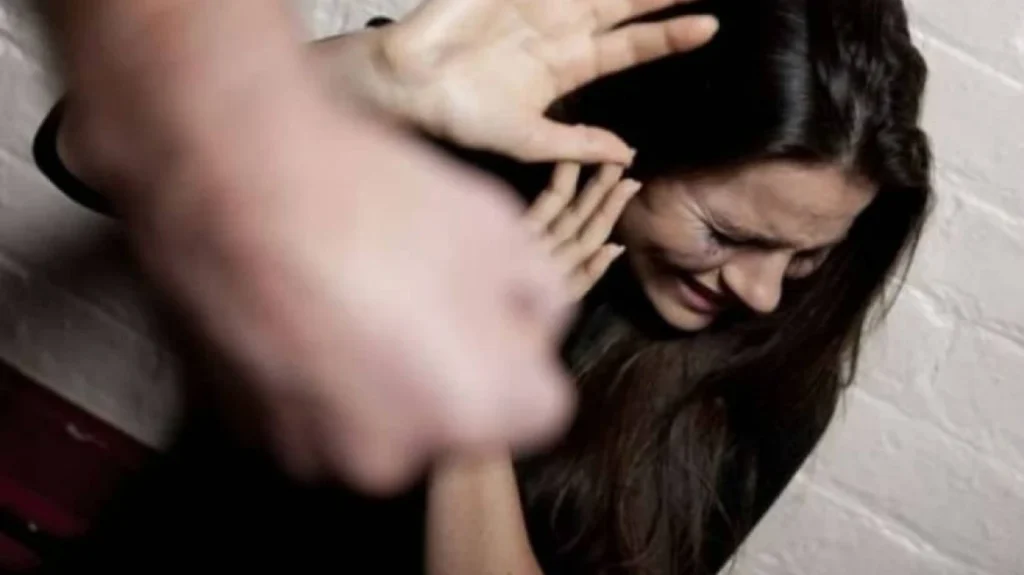
Homicides and attempted homicides against women in Germany rose dramatically over the past year, while there was also a significant increase in incidents of sexual violence within the family environment. Bundestag President Julia Klöckner described the situation as a “terrifying reality” and also highlighted “digital violence” perpetrated online.
According to figures released today by the Ministries of the Interior, Justice and Family ahead of tomorrow’s “Orange Day,” the International Day for the Elimination of Violence Against Women, 209 women lost their lives in incidents of domestic violence in 2025. Of these, 130 were murdered by a current or former partner and 70 by another member of their family.
The “Federal Report on Gender-Based Crimes Against Women” and the “Federal Report on Domestic Violence” state that, over the past year, police recorded a total of 1,176 female victims of homicide or attempted homicide, an increase of 36.9% compared with 2024. A total of 292 people lost their lives in incidents of domestic violence, of whom 209 were women and girls. Of these, 130 were murdered by a current or former partner, while the remaining 79 were killed by someone within their family environment. The male victims included minors and children.
Overall, in 2025 the police recorded 280,129 incidents of domestic violence, an increase of 2.8% compared with 2024. These involved 197,667 women and girls, of whom 142,830 suffered violence at the hands of a current or former partner and 54,837 at the hands of men in their family environment.
A total of 54,675 sexual offenses were recorded, including 20,123 cases of rape, sexual coercion or sexual assault, with half of the victims being minors. In this context, the number of women who fell victim to such attacks increased by 13.5%, while in cases of violence by a partner alone, the increase reached 15%.
According to the Federal Criminal Police Office (BKA), almost all these incidents take place at the victim’s home, while 32.7% of perpetrators are not German, even though non-Germans account for only 14% of the general population. Similarly, among the victims, 31.9% come from abroad. No statistics have been released about the cultural & religious background of the perpetrators, regardless of the fact that these are crucial factors behind their motives.
Digital violence is also rising rapidly. In 2025, 31,221 female victims were recorded, an increase of 17.5% compared with the previous year. In cases involving digital threats, coercion and harassment alone, the number rose by 16.7%, reaching 15,796. Significantly, since 2019, the number of recorded incidents in this category has increased by 318%.
Human trafficking for the purpose of sexual exploitation is also showing an upward trend, rising by 17.7%. Three-quarters of these victims are not German citizens, it is noted.
The BKA also emphasizes that the actual extent of domestic violence is probably much greater. According to a study on unreported crime, it is estimated that less than 5% of incidents of psychological or physical violence within former intimate relationships are ultimately reported to the authorities. In this context, however, it is considered likely that the increase in recorded cases may be related to victims becoming more willing to approach the authorities.
“Is it possible that, in 2026, we still have to discuss whether women are safe in Germany? The answer is disheartening — and infuriating. Because yes: we do! Violence against women is neither a private matter nor an issue of secondary importance. It is a terrifying reality. Even today. We must never tire of seeking the punishment of perpetrators. In our country, a woman is murdered by her partner or former partner almost every three days. This is not simply a statistic in some file. She is a neighbor, a colleague, a friend. She is a mother who will never return home that evening, to be with her children. We must never stop bringing this issue to light and ensuring that perpetrators are punished!” writes the President of the Federal Parliament, Julia Klöckner (CDU), in an article in the newspaper BILD.
She particularly highlights violence against women which, as she notes, does not come through the front door but reaches them directly through their mobile phones. Many women decide to withdraw from the internet, she points out.
“But when women are silenced, the issue takes on social dimensions. We lose voices, perspectives and democratic participation — a gap in representation is created,” she stresses, calling on digital platforms to take action to protect their users. She also underlines the need to support women who are affected and highlights the responsibility of other internet users as well:
“We can choose to pay attention and speak out, instead of joining in the laughter, liking posts or sharing them again. The fight against violence against women does not begin with laws, but with each individual person. The way we address it is not merely a test of our constitutional state, but also a measure of our culture and dignity. Those who have dignity do not tolerate violence against women — not even on social media, in song lyrics or in video games,” Ms. Klöckner writes in her article.
Ask me anything
Explore related questions




